Don’t Be Fooled: Combating Misinformation in the RGV
Story by Melissa Cortes Santiago
Edited by Abigail Vela
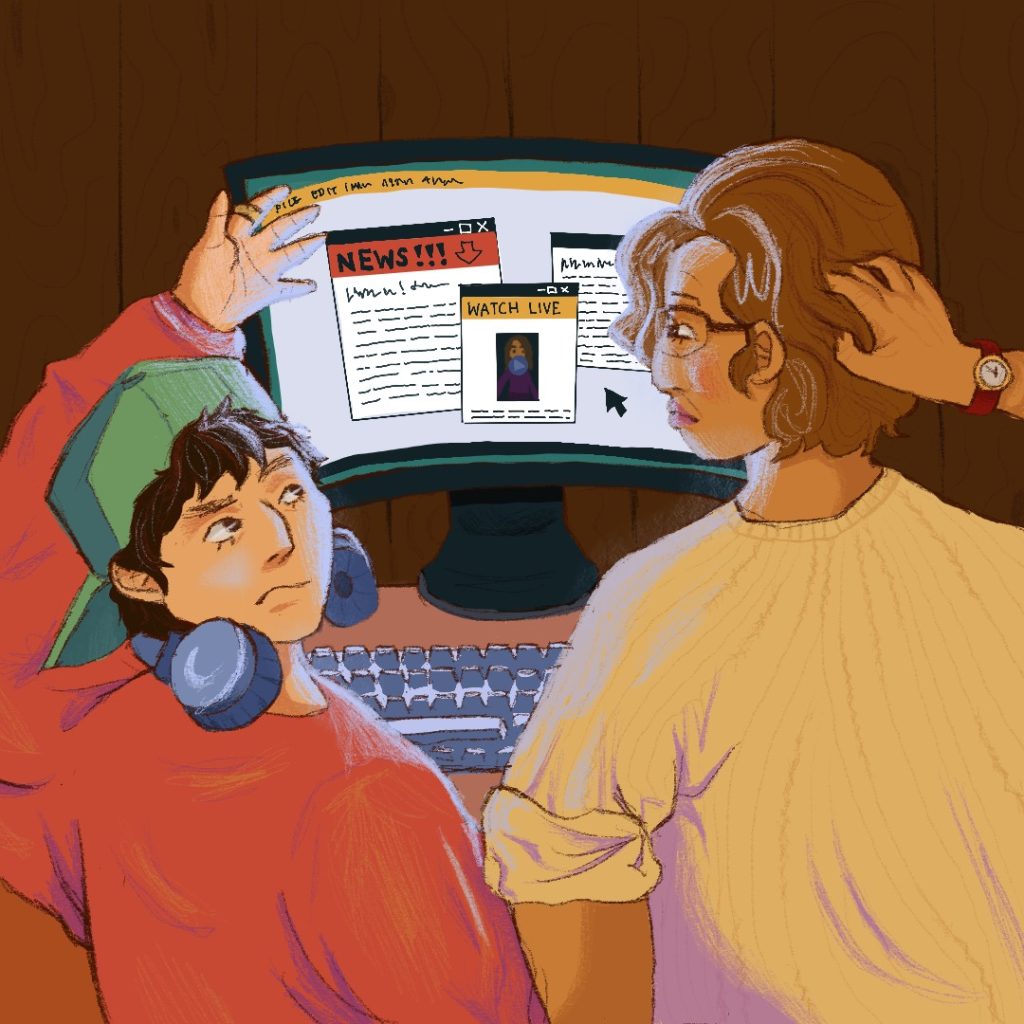
You come across a video on TikTok or a post on Instagram about some recent news, and you decide to share it with your friends or family. No harm done, right? If anything, you helped someone get informed about the world! Well, not quite, and not always. When we take things we see online at face value without double-checking the information, we are susceptible to spreading misinformation.
Now, don’t feel too guilty. We’ve all accidentally shared something online that wasn’t real. Maybe it was a viral post from a friend or a “breaking news” update that turned out to be completely false. It happens. Misinformation, false or inaccurate information shared without malicious intent, can spread fast. It can be especially dangerous in communities around the Rio Grande Valley, where people often get their news through social media and word of mouth.
But this isn’t just about getting tricked by a fake headline. Misinformation can shape opinions, fuel fear, and potentially influence our decisions, from public health choices to voting. It is important we stay vigilant and learn about media literacy, especially now that we have a presidential administration constantly fueling propaganda and a news cycle that changes virtually every day. For example, in March, the Trump administration spent $200 million on an ad campaign praising Trump for his immigration policies. Unchecked misinformation can leave many people vulnerable to believing and sharing false narratives.
So, how can we protect ourselves from falling into the misinformation trap? More importantly, how can we prevent it in the first place?
What Misinformation in the RGV Looks Like
For many in the RGV, media literacy was never taught in school, making it harder to recognize false information. To better understand the impact of misinformation, we first need to break down what it actually is.
Misinformation is false information, but the person sharing it believes it. Disinformation is false information; the person sharing it knows it’s false. Finally, mal-information is based on the truth, but it’s been removed from its original context to harm, mislead, or manipulate.
With few independent local news outlets dedicated to investigative reporting, social media often fills the gap. Many of us throughout the RGV rely solely on social media, family, or friends to keep up to date and stay informed. While those are valid sources, making them our only source of information creates the perfect environment for false information to spread unchecked. You’ve probably seen this play out in your family and friends groups and may have experienced it yourself.
Take the COVID-19 pandemic, for example. Misleading claims about vaccines were circulating online, making people hesitant to get vaccinated. That erosion of trust in public health systems is detrimental to our communities’ well-being, especially when Hidalgo and Cameron were some of the hardest hit by the pandemic throughout the state at the time.
More recently, after the Trump administration decided to make immigration a number one priority, claims of ICE raids have circulated on Reddit and Facebook and gained traction. Although these posts are meant to help keep our community safe, many of them are unsubstantiated. By sharing unverified claims, we might be doing more harm than good by spreading fear throughout our communities. It’s important that we verify our information before sharing it, and in the case of ICE raids, try to post the date, place, time, and photos of when they are occurring.
While misinformation affects everyone, it poses an even greater risk to predominantly Spanish-speaking areas, where fact-checking resources are scarce and misleading content is harder to filter.
Lost in Translation
I’m sure you have experience with your parents, aunts, uncles, and grandparents making questionable claims because they saw something on Facebook or one of those WhatsApp chain messages—platforms where not much is being done about misinformation targeting Spanish speakers.
With fewer Spanish fact-checking resources, false information often spreads unchecked on social media. A study from Avaaz, a human rights nonprofit, found that Facebook flagged 70% of misinformation in English with warning labels as opposed to only 30% of misinformation in Spanish. This is incredibly problematic, considering the fact that 69% of Hispanic adults in the U.S. report using Facebook. This will only get worse now that Meta, the company that owns Facebook, Instagram and WhatsApp, has ended their fact-checking program and replaced it with a “community-driven” system.
With fewer safeguards in place and misinformation spreading faster than ever, Spanish-speaking communities are left even more vulnerable to false narratives.
How to Combat Misinformation Together in the RGV
Addressing misinformation in the RGV requires a collective effort from everyone in the community. Here’s how we can work together:
- Promote Media Literacy: Schools and community organizations should emphasize critical thinking skills to help students identify and question misleading content. If you want to learn on your own, visit the News Literacy Project for more information and resources.
- Support Local Journalism: Encouraging the growth of bilingual news sources can help bridge the gap between information access and accuracy.
- Encourage Responsible Social Media Use: We should all be cautious when sharing content and verify sources before sharing. Encourage your friends and family to do the same!
Misinformation isn’t going away, and it’s up to us to stay informed, question what we see online, and push for greater accountability from the platforms we rely on. In the Rio Grande Valley, the fight against misinformation starts with each of us. By fostering a culture of critical thinking and media literacy, we can ensure that truth guides our community forward.