March Showers Won’t Stop Bequita’s Flowers: The Impact of Floods on Harlingen’s Businesses
Story by Cara Ingram
Edited by Abbey Vela

Lightning illuminates the night sky, heavy rainfall whips against the ground, and across Harlingen, Texas, water begins to rise—and quickly.
On the evening of March 26, it starts to rain in Harlingen. On March 27, a flash flood emergency is in effect. By the morning of March 28, it appears as though the entire city is partially underwater. Abandoned cars litter roads, some only visible by the few inches that manage to surface above the floodwaters, and a fire truck rests in the middle of a newly formed lake along a highway. In downtown Harlingen, on Van Buren Avenue, local businesses like Bequita’s Blooms and Bandera Coffee Co. are under a foot of water.
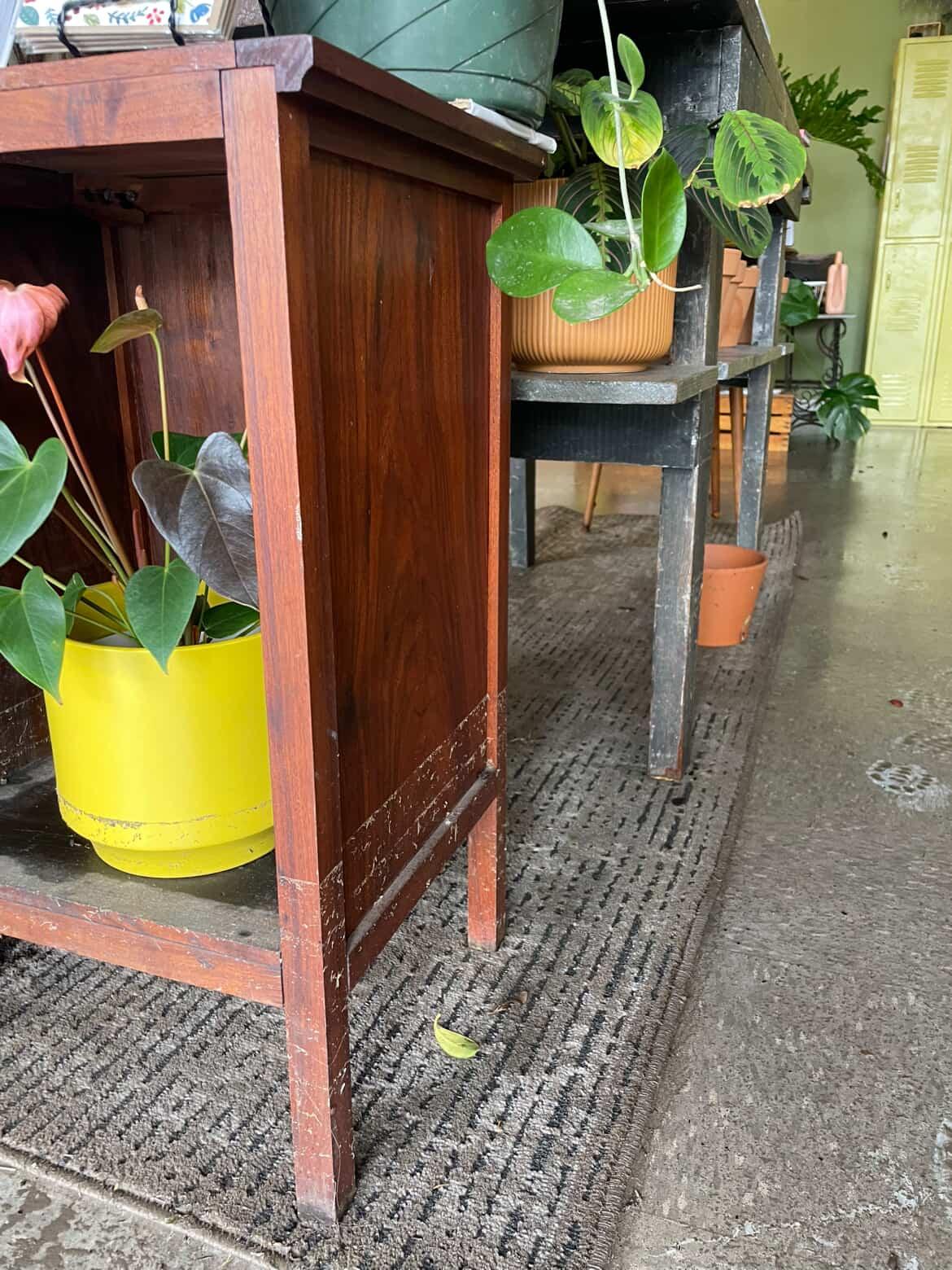
Rebecca Rodriguez opened Bequita’s Blooms’ doors in September 2024. The shop’s interior is homey, filled with the sweet scents of fresh-cut flowers. Lilies, daisies, and carnations crowd recycled wooden tables, showcasing vibrant shades of pink and yellow. Deep green, leafy plants spill out of pots in every corner of the room. But in the aftermath of the flood, the shop’s interior is a wholly different picture.
“It was crazy to see the debris on the walls—on everything,” says Rodriguez. “This rug—” she gestures to a large rug behind her front counter, against the wall furthest from her front door. “—was at the entrance. It was crazy to just imagine what was going on in the middle of the night…things just floating around here,” she half-chuckles. “It’s so weird to think about.”
Harlingen experienced a record-breaking 21.5 inches of rainfall, surpassing the previous record for the most rainfall received in two days—a record set over a hundred years ago. Countless residents and businesses were impacted.
Understanding Flood Events
Floods are natural disasters that occur when a landscape is overwhelmed by intense rainfall and is too slow to absorb water. Picture your house plant. If you’re like me, you’ve forgotten to water it for the fifth time this week, so its soil is looking a bit parched. You finally quench its thirst, only to seemingly pour the water out too fast. The soil struggles to absorb the water and the pot overflows, water spilling down its sides. On the smallest scale, this is flooding.
Floods are the most common type of natural disaster, affecting communities across the world. In Texas alone, they’re becoming more frequent and more intense, with the most recent tragic flood event occurring in Kerr County on July 4. In less than an hour, parts of the county’s Guadalupe River rose by 26 feet, causing a wall of water to crash through the area and decimate its landscape.
This increasing intensification of floods and rainfall is primarily due to the continued impact of climate change. As global temperatures rise, the water cycle is accelerated; higher temperatures lead to more evaporation, which in turn results in heavier rainfall. This phenomenon creates more frequent and intense storms, and landscapes struggle to take in this rapid surge of water.
Urban areas are also more susceptible to floods due to the decrease in biodiversity and increase in hard surfaces. The Rio Grande Valley is one of the nation’s fastest-urbanizing regions. Urbanization is the transformation of natural environments into man-made ones, which reduces the amount of wildlife and replaces soils with paved roads, parking lots, and cement. These impenetrable surfaces keep rainwater from entering the ground, and with nowhere to go, the water continues to rise as the storm rages on.
Next door to Bequita’s Blooms, at Bandera Coffee Co., co-owner Ashley Garcia had been in the middle of her closing shift when she and her co-worker noticed water seeping through their front door.
“The alerts were going off, but we could see it with our own eyes,” says Garcia. “It was too late.”
Before she knew it, the store was flooding. Garcia and her co-worker moved quickly to close the shop and save what they could.
“Usually, it takes about an hour to close down the shop,” says Garcia, “but we said to just turn off the lights, unplug what we can, pick up what we can from the floors, and just get out.”
This was the second flood that Bandera experienced, having opened almost seven years ago. Garcia recalls the damage and loss of inventory that followed Bandera’s first experience with flooding.
“It definitely held us back,” she says, “and we learned to prepare in certain ways.”
For the much newer storefront, Bequita’s Blooms, this flood was a first.
“I never planned for it, but now I know,” says Rodriguez. “Moving forward, I’m going to think about a future, potential flood.”

The Impact of Floods
Floods have a terribly impressive potential for both physical and emotional damage, capable of upending entire communities. Flooding harms a community’s infrastructure, including homes, businesses, farms, and other properties, and causes injury — sometimes fatal — to many residents.
During Harlingen’s flash flooding, first responders conducted over 30 search and rescue missions, rescuing more than 200 residents in just one day. It was reported that three people had passed from the flood event.
In Kerr County, the recent flood has proven to be the deadliest flood that the United States has seen in the past century. The flash flood directly caused the death of over 100 people, with 30 of them being children.
Much more than the loss of property, the tragic loss of life will remain cemented in the minds and hearts of all those affected and all those who reside in Texas. The emotional turmoil that follows the widespread destruction of floods lingers long after its waters recede.
The Impact of Community Resilience
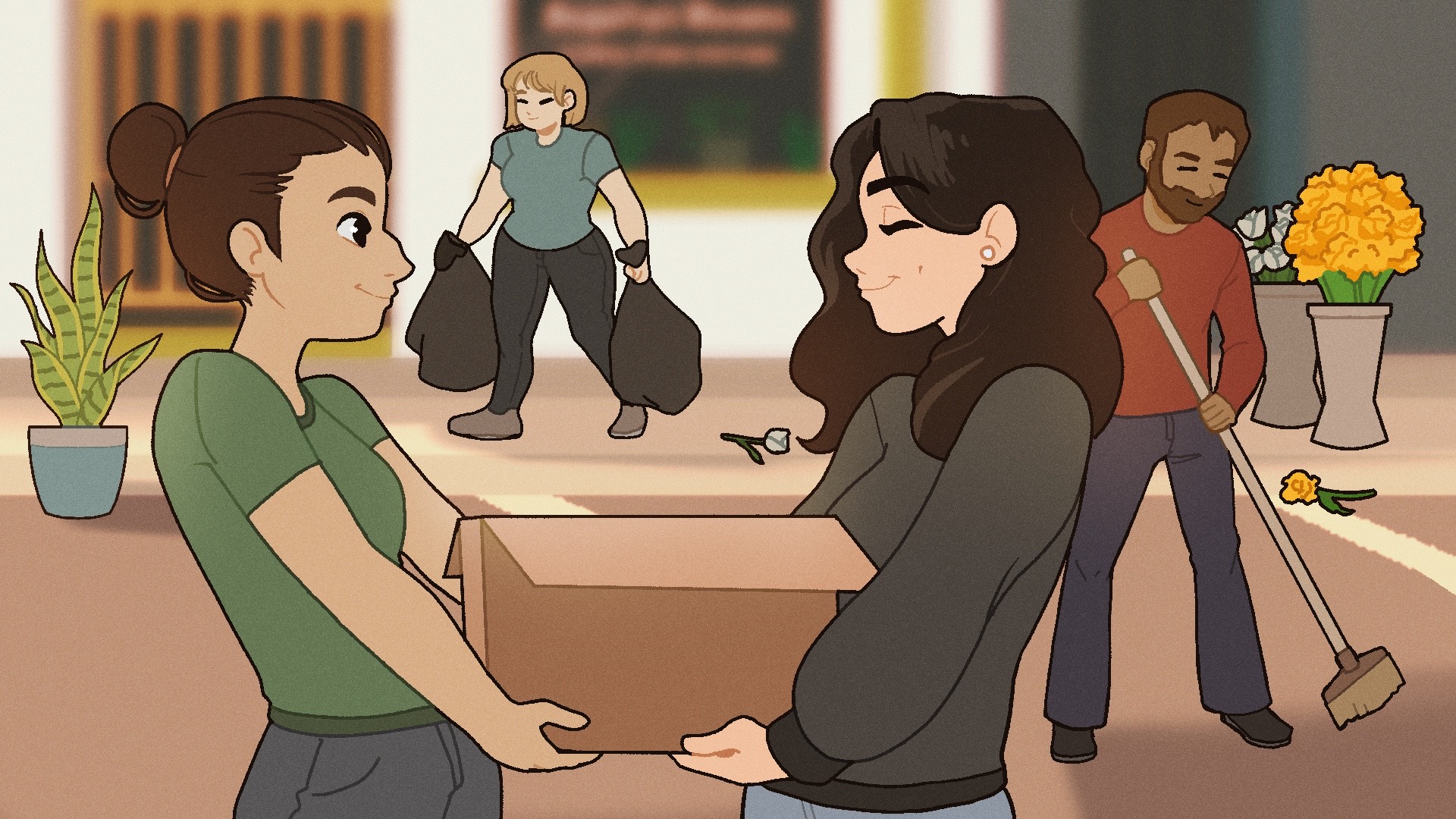
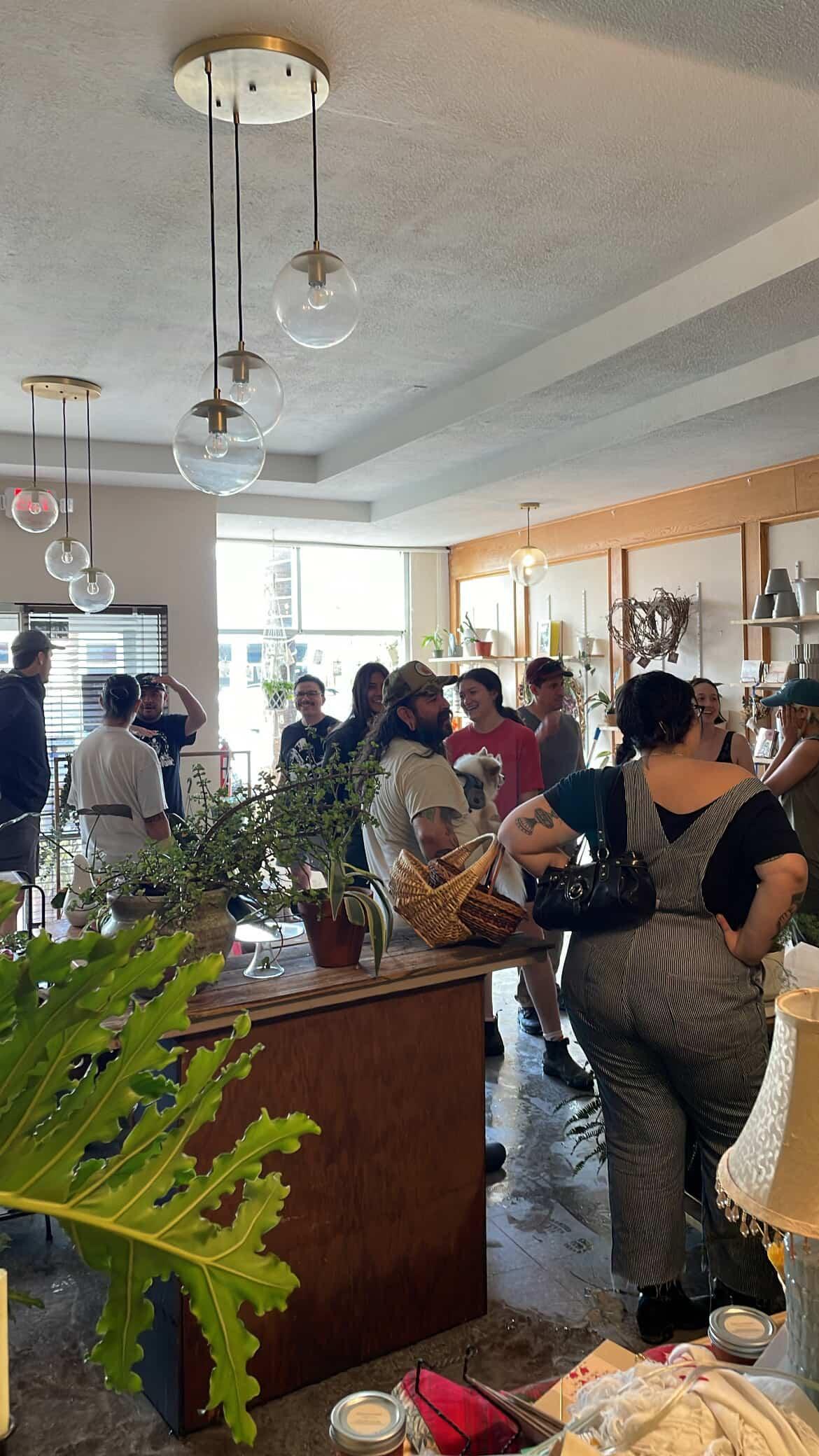
Despite extensive damage, Harlingen’s small businesses have managed to recover with the help of their community. Regular customers gathered at the shops the day after the flood, wanting to check on their favorite businesses and offer their assistance in cleaning and repairing damages. Harlingen locals and fellow business owners alike brought pizza, drinks, and helping hands, and the day after the flood soon became an ironic version of a block party.
“It was very relaxing,” says Rodriguez, “considering the shop was a mess and things were all over the place. It’s tough having a small business. You get really sucked in, and I feel like this flood kind of brought us together…to take a break and just enjoy our community.”
Garcia, having experienced a flood like this before, never doubted the power of Harlingen’s community in the wake of a natural disaster.
“Not only do we have each other,” says Garcia, “but the customers, the people from this city, they back you up because they want to keep you around.”
Community resilience plays a crucial role in recovering from natural disasters, and the small businesses of Van Buren Avenue are a testament to just that. A community’s resilience is judged by how quickly it’s able to bounce back from an environmental disaster.
In the Rio Grande Valley, a region rapidly transitioning from agricultural to urban landscapes, resiliency is hurt by both climate change and the loss of natural resources. In the face of continuous urbanization and increasingly intense weather, community empowerment will be vital to the city’s ongoing recovery.
Rodriguez is confident in her community. When asked about the impending danger of another flood, she shows little to no fear.
“I’m not nervous,” she says. “The community has shown that they’re there. Everyone’s here for each other. If something else happens—another crazy disaster—we’re all going to get together again and lift each other up.”
The Calm After the Storm
Today, Bequita’s Blooms and Bandera Coffee Co. are as busy as ever. Locals drop into Bandera for a cup of coffee and are greeted by a welcoming atmosphere filled with the scent of espresso and the sound of laughter. They then head next door to peruse the array of fresh flowers Rodriguez has on display that day. Neither store shows any notable sign that they were under a foot of water not long ago.
Rodriguez tells me she even started growing flowers in a small garden behind her shop.
“I’m pretty sure the flood helped,” she says, almost admittingly, “because the flowers are so pretty right now.”
Let’s Unite in Helping Kerr County
A few simple ways you can help flood victims are by donating through H-E-B’s Spirit of Giving Fund and the Kerr County Flood Relief Fund. Learn more about how to help and receive help here.