At least 75 women in the Rio Grande Valley are diagnosed with cervical cancer each year, according to data from the National Cancer Institute. With over a quarter of community members living without health insurance and about a third living in poverty, this diagnosis can quickly become a death sentence.
What is incredibly distressing about these statistics is that cervical cancer is almost completely preventable, but without accessible treatment or preventative education, our community will continue to suffer the consequences of a broken healthcare system.
Cervical cancer is often caused by the Human Papillomavirus (HPV), which is a common sexually transmitted virus. While common, it is highly preventable and treatable once diagnosed. The HPV vaccine, which is a 3-dose series, was officially licensed in 2006 and has since been administered to over 135 million people nationwide. HPV vaccination rates in the RGV have historically lagged behind state and national averages, with fewer than half of the population receiving the first dose and less than one-third completing the required series of vaccinations.
Along with proper vaccination, regular health screenings can help detect precancerous conditions before the disease fully develops. People with a cervix are recommended to receive a Pap test every three years.
According to the Texas Department of State Health Services’ Office of Border Public Health, border counties have significantly lower rates of screening and higher rates of cervical cancer mortality, as Hispanic women are statistically less likely to receive regular Pap test screenings. This lack of preventative care has led to cervical cancer diagnosis and mortality rates that are 55 times higher than the national average.
There are plenty of barriers that our community faces that contribute to these low numbers, including a lack of information, high costs, lack of health insurance, limited transportation, lack of childcare, and plain discomfort. Many women have even cited that their partner’s feelings of jealousy and discomfort have also contributed to a lack of screening. Because of our region, many community members also fear deportation and discrimination. According to a study published by Perspect Public Health, only 12.9% of uninsured women in the RGV/Laredo area receive Pap tests.
Because regular screening can reduce cervical cancer mortality by 80%, it is imperative that more accessibility is needed and it’s needed now. Serving South Texans for over 86 years, Planned Parenthood South Texas (PPST) developed a plan to mitigate this issue and help build a more equitable healthcare system in the Rio Grande Valley. Starting in March of this year, PPST has expanded its services across its various health centers in the RGV to include self-HPV testing for cervical cancer prevention.

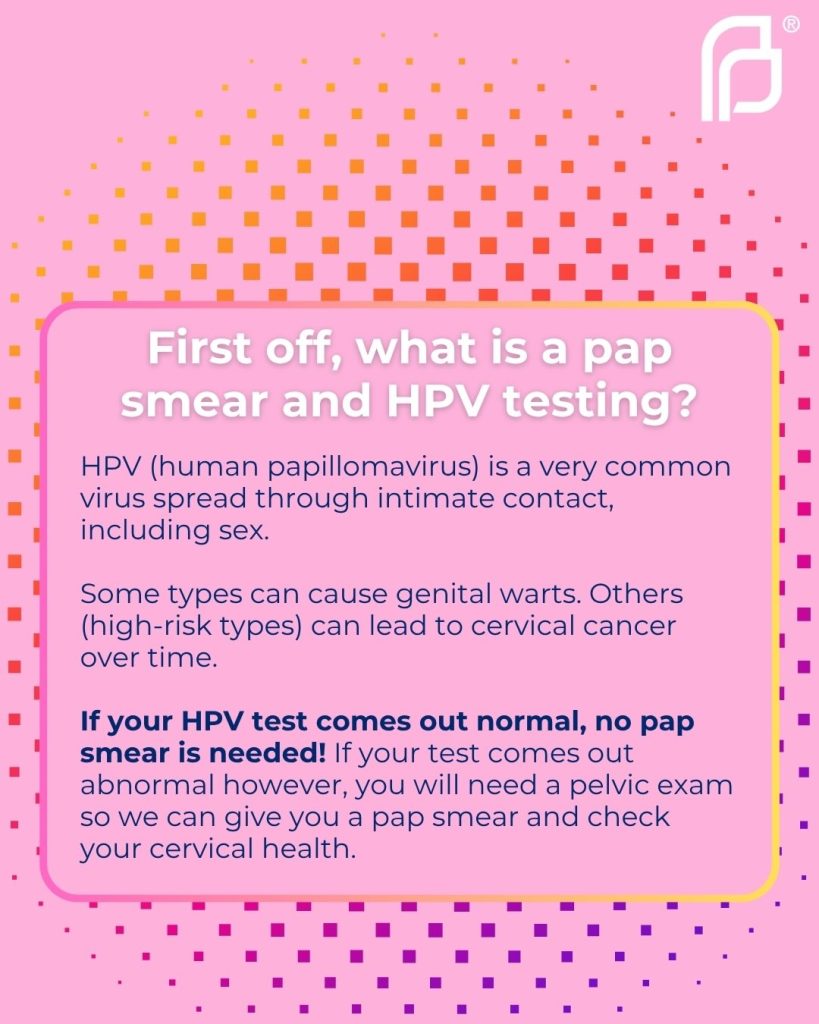


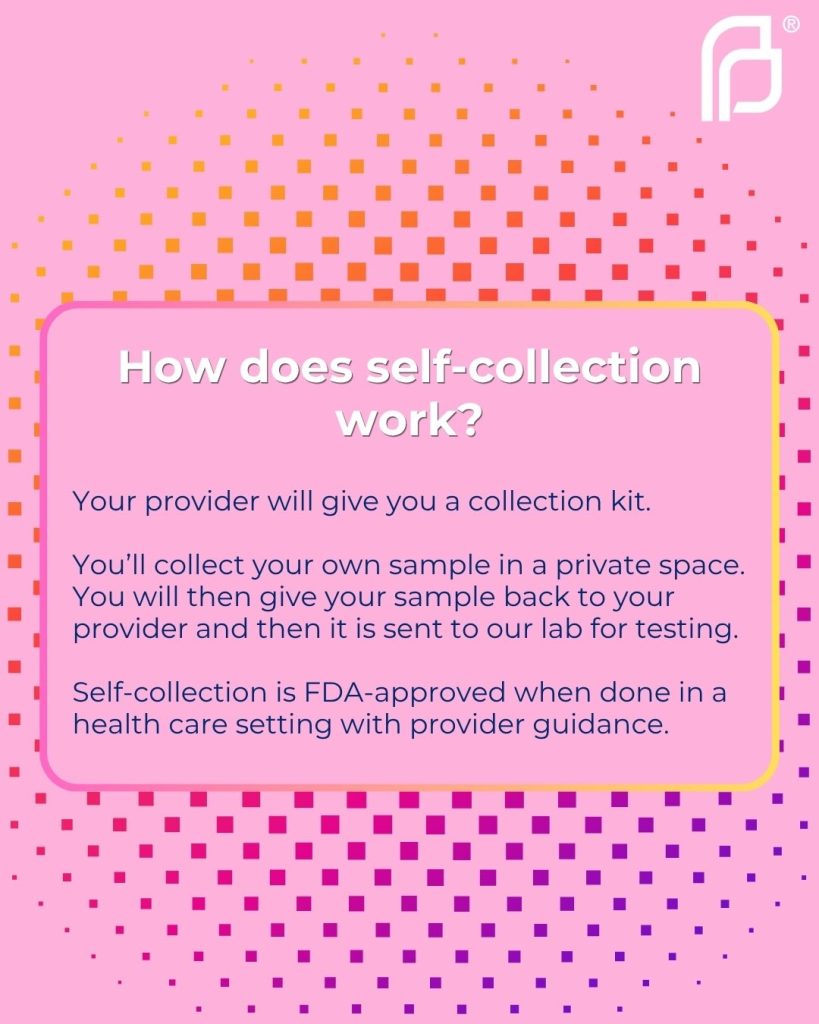
In an effort to increase accessibility to care, PPST strives to provide timely, patient-centered care that will help improve the community’s overall quality of life and longevity. This new self-testing option provides an alternative option for those who are uncomfortable with traditional Pap tests. Self-testing can provide the privacy and convenience that those who avoid traditional screenings need.
Everyone deserves equitable access to health care that makes them feel safe. With self-testing, community members can skip the typical pelvic exam that accompanies the Pap test, which can be incredibly stressful due to discomfort, embarrassment, and fear.
PPST continues to work to bridge the healthcare gap in the RGV, which has only been made wider and more difficult to close with recent cuts to Medicaid.
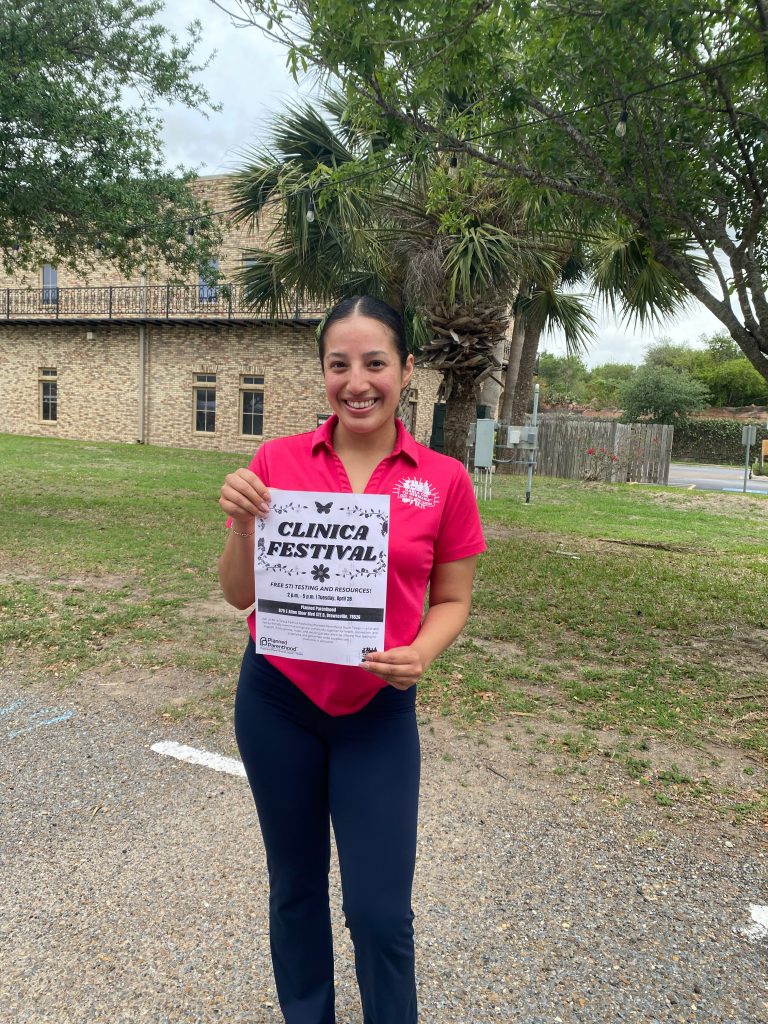
PPST also provides wellness exams, birth control, diabetic care, support for anxiety and depression, UTI testing and treatment, menopause care, and gender affirming care for adults year-round. For more information, visit ppsouthtexas.org or call PSST at 1-800-230-7526 (PLAN).