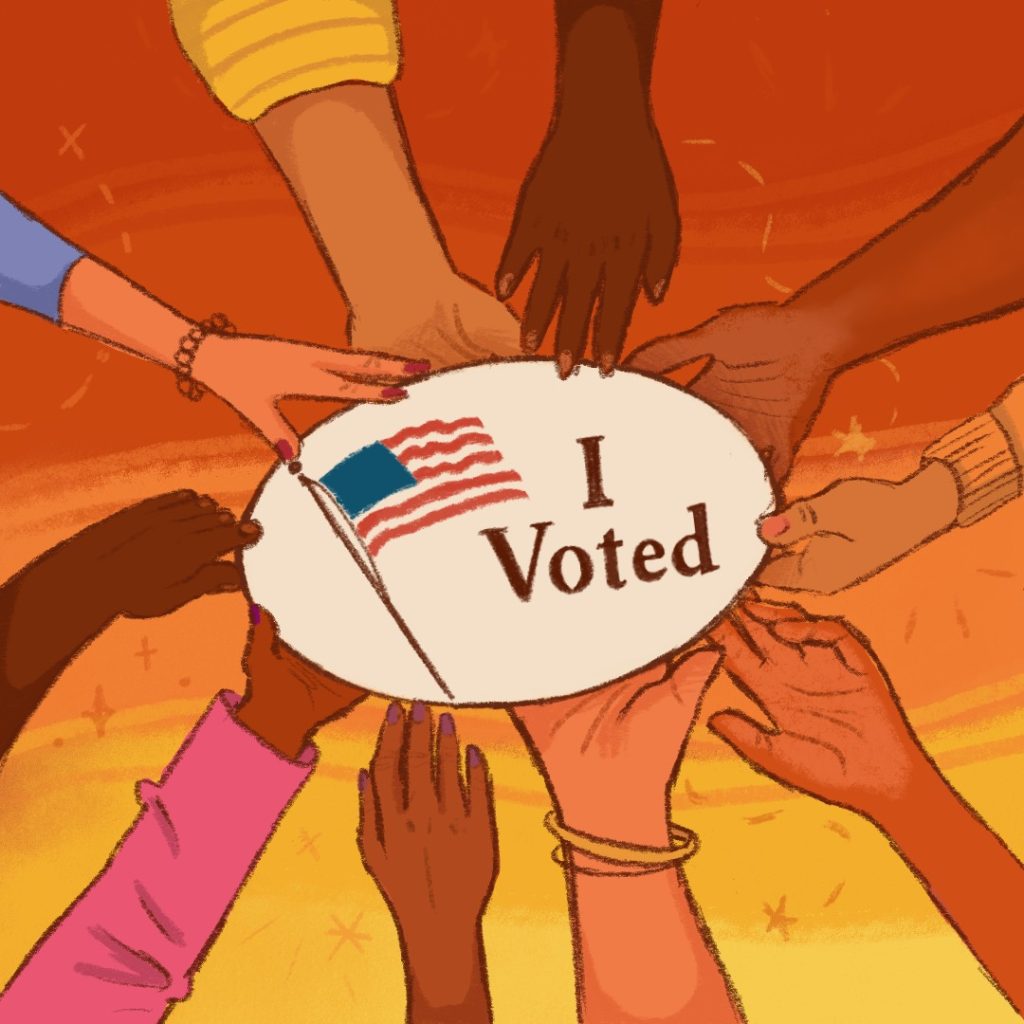
We are in the midst of voting season, and election day is just around the corner. Next Tuesday, November 5, is literally the last day to cast your ballot and early voting is in full swing!
The presidential debate has come and gone, and the TV and radio are full of campaign messages hoping to turn last-minute voters. Although this time of the year can be anxiety-inducing for some and incredibly irritating for others, it’s important for us to remember what’s really at stake during election years.
In border communities like the Rio Grande Valley, casting a vote is more than just an act of civic duty—it’s a powerful stand for those who are not able to cast their own ballot. Texas is home to 1.6 million undocumented individuals, all of whom are ineligible to vote despite being an integral part of our community and contributing over $4 billion in state and local taxes. Overall, there are over 11.7 million undocumented individuals living in the United States, many of who have been here for most of their lives.
In mixed-status communities like ours, where some community members are undocumented and therefore ineligible to vote, the responsibility of casting a ballot often falls to those who have the privilege to vote. Eligible voters are not just choosing for themselves—they’re voting on behalf of their loved ones, neighbors, and entire communities.
Amplifying the Voices of Our Community
“Voting is something very powerful. Yes, it’s an obligation, but we have to remind ourselves that we have not always been able to vote, and we need to take advantage of this gift so that we can continue to expand the benefits of everyone in our community,” said Lupita Sanchez, executive director of Border Workers United (BWU).
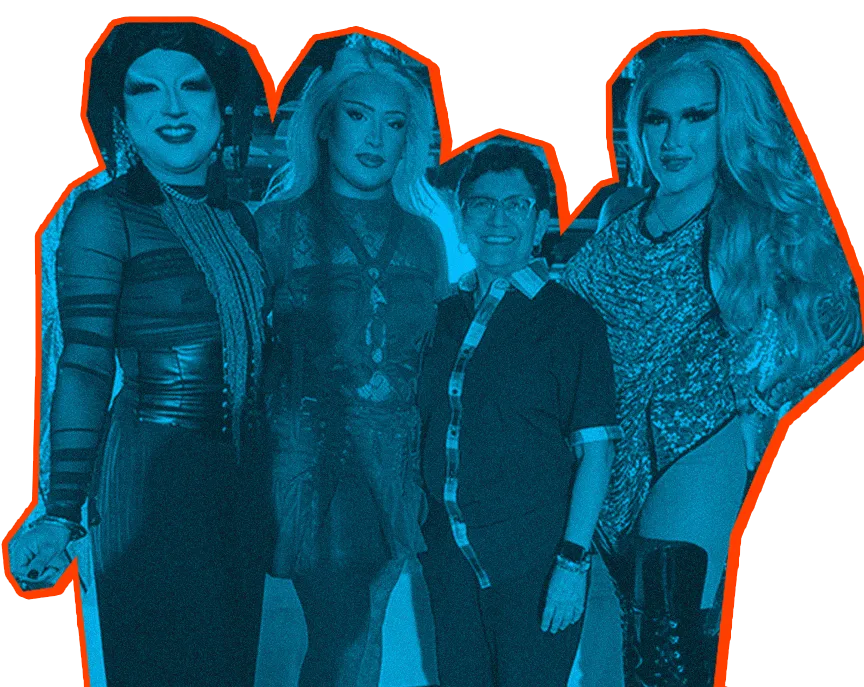
BWU is a nonpartisan organization that advocates for workers’ rights and works to mobilize eligible voters to the polls across the RGV and Laredo.
With policies this election season directly affecting both documented and undocumented community members, voting becomes a critical way for our community to protect their interests.
It is important to note that voters in our region can face significant challenges when casting their ballots. Texas has some of the strictest voting laws in the country, resulting in low voter turnout. In communities throughout the RGV, accessibility is one of the biggest barriers to voting. The lack of public transportation can make it difficult for voters to get to a polling place, especially for community members who live in remote areas like colonias.
“We don’t want to say that any one particular person or institution is at fault for this because the ball’s been dropped so many times,” said Clarissa Conde, director of field and programs at BLOOM. “You also have people who are first generation; they’re gonna be the first person in their family to vote, and maybe they haven’t had anyone to walk them through like what that process looks like.”
BLOOM RGV is a nonpartisan organization that works to empower, engage and educate young voters throughout the RGV. The organization works to fight against barriers that create a lack of participation among eligible voters.
It’s not a secret that there is a serious disconnect between voters and the political process. Years of seeing little change and politicians who don’t prioritize border communities have, for some, created a feeling of hopelessness.
“We meet disillusionment with care,” said Edith Cuevas, director of data and communications at BLOOM. “We have a culture of care when it comes to doing our work, and we have honest conversations about where that disillusionment is rooted without invalidating people’s personal experience.”
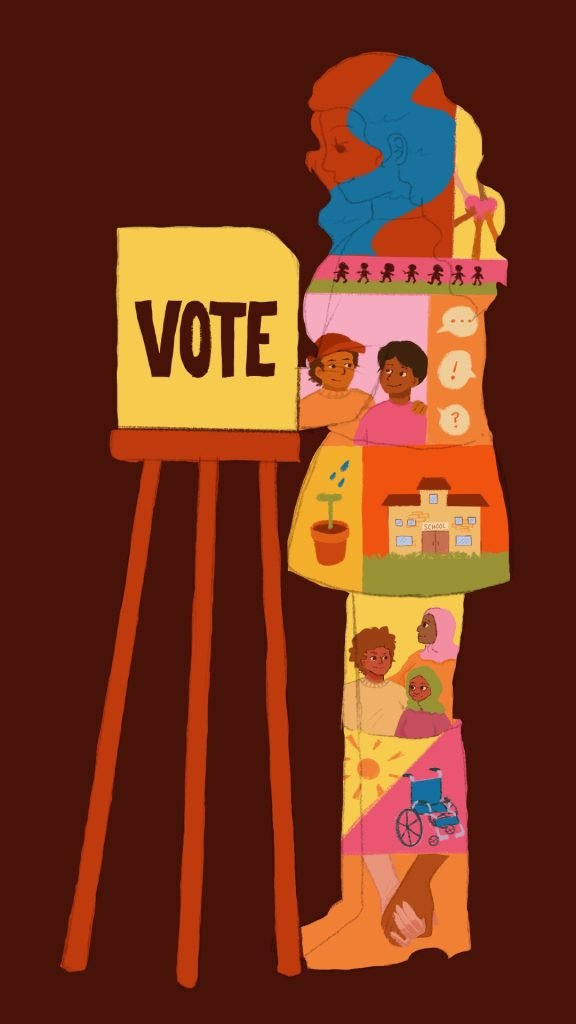
Despite these barriers, it’s important to keep in mind that voting is, at its core, an act of service to our communities, especially for those who have been denied the basic right to vote.
A Vote for Community
“We want for Latinos to recognize their power in this nation,” said Sanchez. “At this point, it’s about building power among each other to fight for what we believe is right so that we can realize the dream of this nation, which is the good of everyone.”
Although it may be easy to fall into apathy and skip out on election day, we must remember that grassroots and community efforts can enact real change. Voting is not just a personal choice—it’s a way to advocate for families, neighbors, and entire communities whose voices may be silenced by legal barriers or systemic injustices.
Each vote cast is a stand for immigration reform, workers’ rights, better healthcare, and environmental protections that will shape the future of our communities here in the Rio Grande Valley.