Decolonize Your Lawn: The Case for Native Plants and Ecological Resilience

Story by Suzanne El-Haj

Edited by Abigail Vela

The normalization of grass lawns is a form of colonization that is destroying our world. This colonization took the form of imposing invasive grass species that were not naturally grown and changing the lifestyle of indigenous people in managing their green spaces.


Manicured grass lawns are a European invention. It makes ecological sense that in the 1700s, grass lawns were typical because the moist, mild climate of the European continent supported open, close-cut grasslands. However, the ecology of North America does not favor grass lawns, and our scarce water resources in the Rio Grande Valley are being pushed to the brink to maintain them.


Ultimately, people in our community should consider alternatives to the technological and chemical ways they are treating their lawns and changing the structure of their lawns entirely because grass lawns are outdated and detrimental to our world.

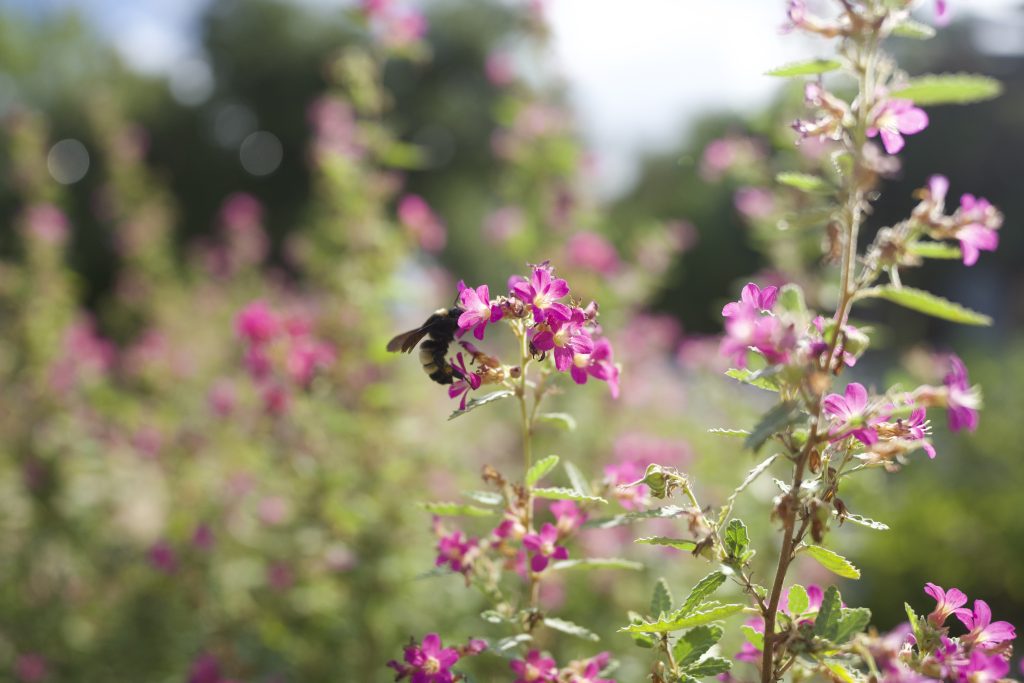
bee on a flowering plant.
Pollinator bee on Pyramid Bush (Melochia tomentosa) at Lady Bird Johnson Wildflower Center in Austin, Texas. Photo by Suzanne El-Haj.

The Environmental Impact of Grass Lawns

Let’s get straight to the point: grass lawns are ruining the planet. The 40 million acres of grass lawns and their maintenance in the United States contribute to climate change. Traditional lawn care is a perpetual fight against biodiversity—a war conducted with lawn equipment, specifically gas-powered leaf blowers, lawn mowers and synthetic fertilizers. Most are gasoline-powered and use about 800 million gallons of gas annually. In 2020, gas-powered lawn and garden equipment in the U.S. emitted over 68,000 tons of nitrogen oxides (NOx) and 350,000 tons of volatile organic compounds (VOCs), contributing to ground-level ozone, which can trigger asthma. It also released 30 million tons of carbon dioxide (CO2) and nearly 22,000 tons of fine particulates (PM2.5), which are linked to severe health issues. This study underscores the significant environmental and health impacts of such equipment.


Additionally, homeowners will use nitrogen-based fertilizers to attain lush, fertile, green lawns. David Wolfe, a professor of plant and soil ecology at Cornell, noted that for every ton of nitrogen created to make this fertilizer, five tons of carbon are added to the atmosphere. Nitrogen from fertilizers can run off into local waters, causing eutrophication. Extreme weather worsens this, leading to toxic algae blooms that create “dead zones,” harming fish and aquatic wildlife. Additionally, excessive fertilizer use is costly.


Overall, maintaining traditional grass lawns destroys our ecosystems and hurts us economically. So, what is the alternative to environmentally detrimental lawns?

Reimagining Our Yards

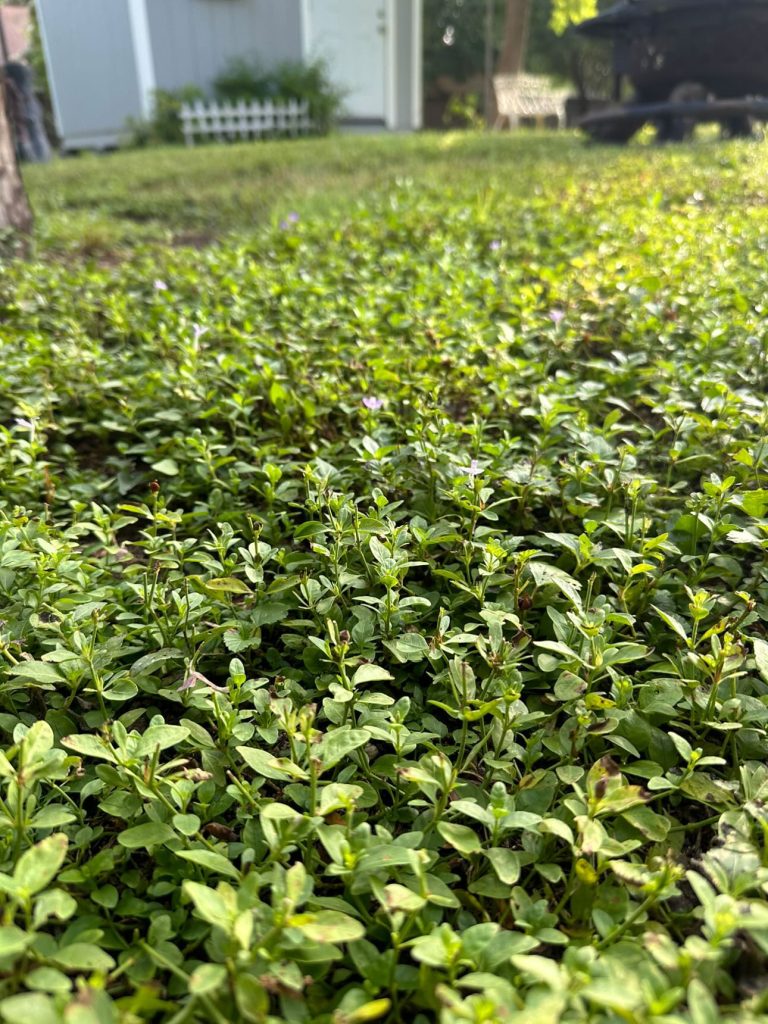
A native plant used as ground cover.
Tube-tongue (Justicia pilosella) is used as ground cover instead of grass at this home in Mission, Texas. Photo by Angela Rojas.

Native plant landscapes or gardens offer a practical solution. They encompass native flora such as grasses, ground covers, flowers, shrubs, trees, vines, and pollinator gardens. These landscapes not only enhance the beauty and diversity of your region but also require minimal maintenance compared to traditional lawns. 


Unlike non-native turf grasses that require extensive care and fertilization, native plants’ needs are well-suited to their regions. Their deep root systems store water efficiently and thrive without fertilizers by utilizing available nutrients. Traditional lawns require weekly upkeep like watering, reseeding, mowing, and chemical control, resulting in a 2400% increase in time and energy spent compared to native gardens.

Water conservation is vital for decolonizing our lawns, especially as clean drinking water becomes scarce in the Rio Grande Valley. Native plants require less water, adapting to local rainfall and often eliminating the need for irrigation. Additionally, native plants are more resilient to pests and diseases and help prevent erosion by stabilizing the soil with their deep root systems.

Native landscapes contribute to biodiversity by providing essential food and shelter for insects and wildlife. Research from Harvard suggests more sustainable lawns incorporate diverse grasses and wildflowers. By cultivating native plants, you preserve the interconnectedness of organisms in your ecosystem, enhancing the natural habitat for various species such as birds, butterflies, bees, and other pollinators. 


What’s not to love? Native gardens save money due to their excellent survival skills. They reduce the need for costly fertilizers, pesticides, and lawn equipment maintenance, potentially lowering water bills.

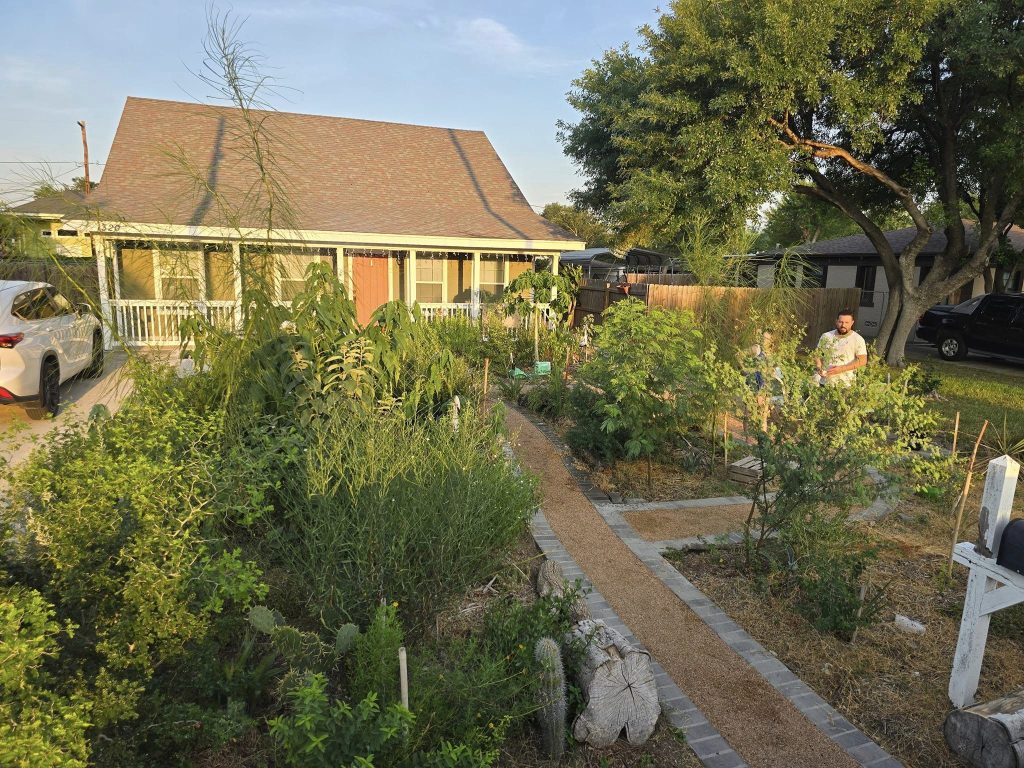
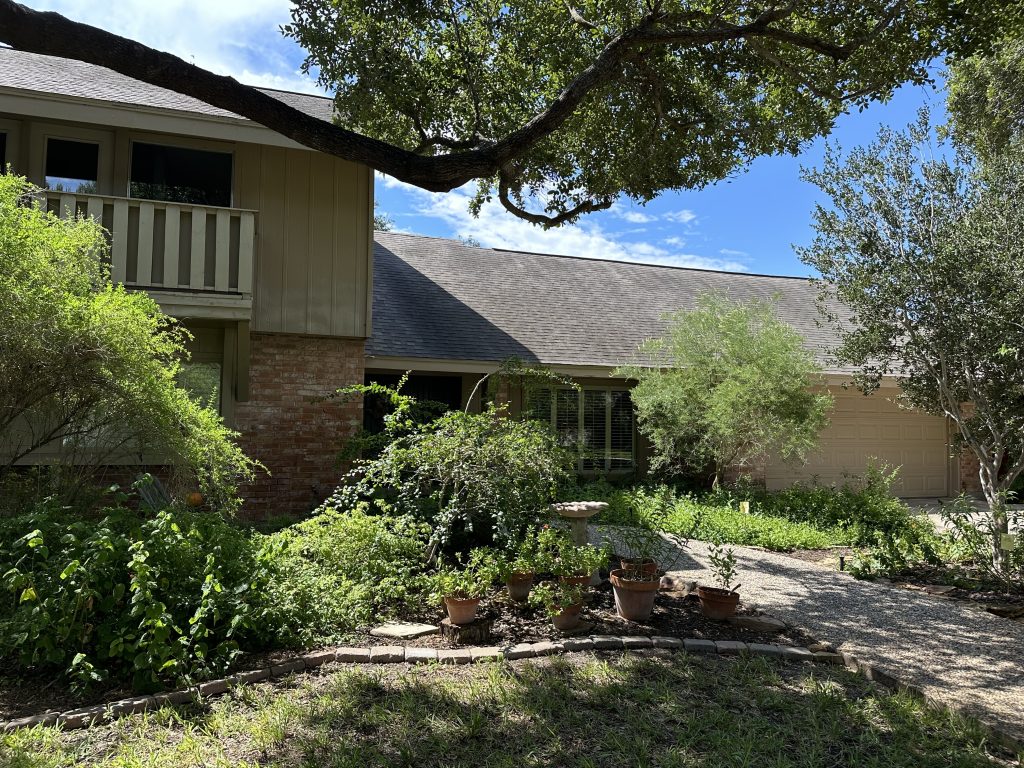
A front yard lawn full of native plants in Mission, Texas.
Native plant landscape on a front lawn in Mission, Texas. Photo by Joey Santore.
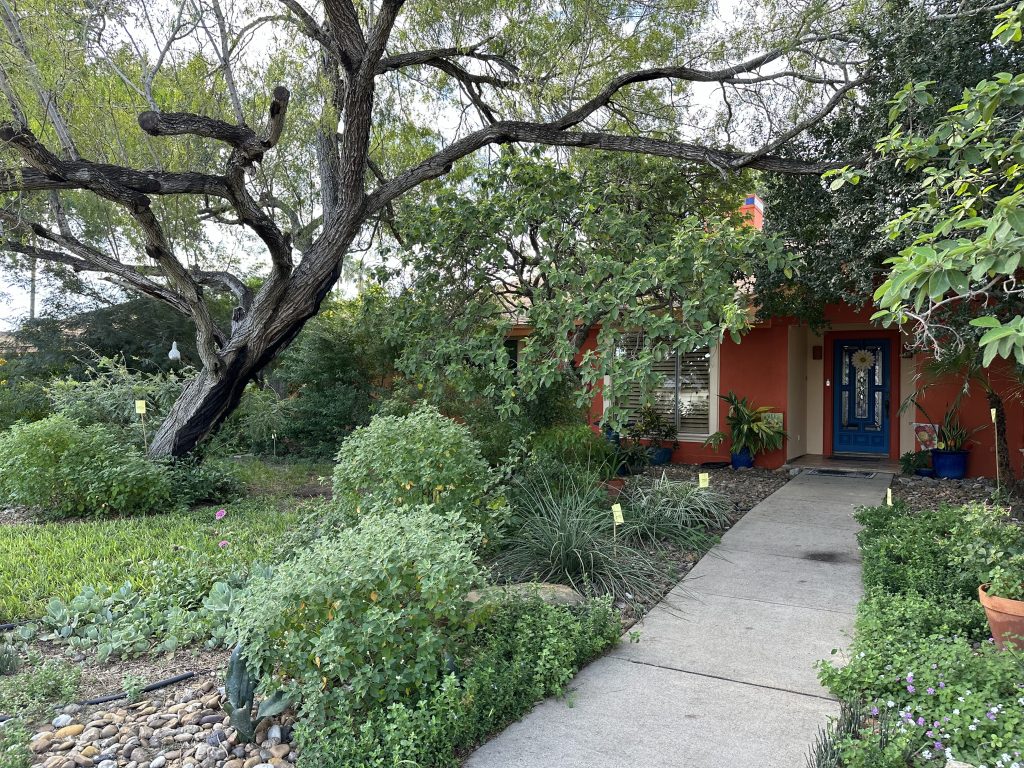
A front yard lawn full of native plants in Edinburg, Texas.
Native plant landscape on a front lawn in Edinburg, Texas. Photo by Suzanne El-Haj.

Your Path to a Greener Lawn

“Native plants enrich both the environment and our connection to nature. Educating people empowers them to make better environmental choices and fosters a love for protecting our natural world,” said Josue Ayala (he/him), an active board member of the Native Plant Project (NPP)


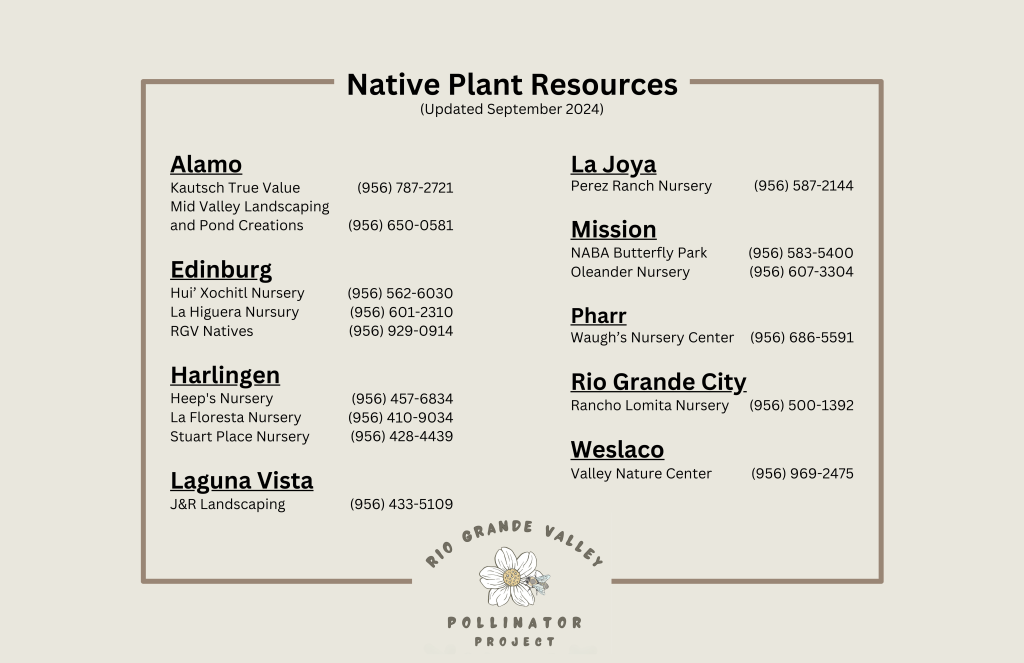
He shares valuable insights on transitioning from grass lawns to native landscapes to support biodiversity in the RGV. Ayala suggests choosing plants that resonate with you and support your local ecology, whether it’s attracting butterflies, birds, or other beneficial species. He particularly likes native plants such as scorpion’s tail (Heliotropium angiospermum) and heartleaf hibiscus (Hibiscus martianus). Ayala encourages homeowners to use resources such as the NPP website, which offers handbooks on things like butterfly gardening to guide them. He highlights the importance of community engagement and education through programs like the RGV Pollinator Project and the Center for Urban Ecology, which help people understand the ecological value of native plants. 


For those looking to convert their lawns, Ayala recommends starting in the Fall and visiting local nature parks like Hugh Ramsey Park and the National Butterfly Center for inspiration. To get involved with the NPP’s mission to conserve native plants and endangered habitats in the Lower Rio Grande Valley, he invites interested individuals to follow them on Instagram (@plantsofdeepsouthtx) and attend their meetings every 4th Tuesday of the month at the Valley Nature Center in Weslaco, Texas.


It is essential to know that you are not alone and that resources are available to help you in this transition. Community groups and organizations like The Native Plant Society of Texas and Quinta Mazatlan host workshops and educational talks across the Rio Grande Valley. 

Breaking Barriers: Making Space for Native Lawns

Some residents may consider allowing their lawns to grow wild, but regulations in certain municipalities prohibit this. Online tools exist to find municipal codes in your city and ensure you comply with code limitations and local HOA rules. However, some individuals or city officials may fight back. Residents can opt for a more controlled version of a wild lawn or advocate for legislative change in their community to permit naturalized lawns, challenging the perception that well-kept lawns are superior. 


In Mission, Texas, local experts and community members are advocating for a new ordinance that would permit native plants in front lawns. Meanwhile, organizations like Re:wild Your Campus are leading efforts, including a campaign at the University of Texas at Rio Grande Valley, to transform college campuses nationwide into native plant landscapes. The goal is to eliminate synthetic pesticide use by 2030 and create safer, healthier environments. In the meantime, homeowners can take individual steps to support local ecological resilience within their communities.

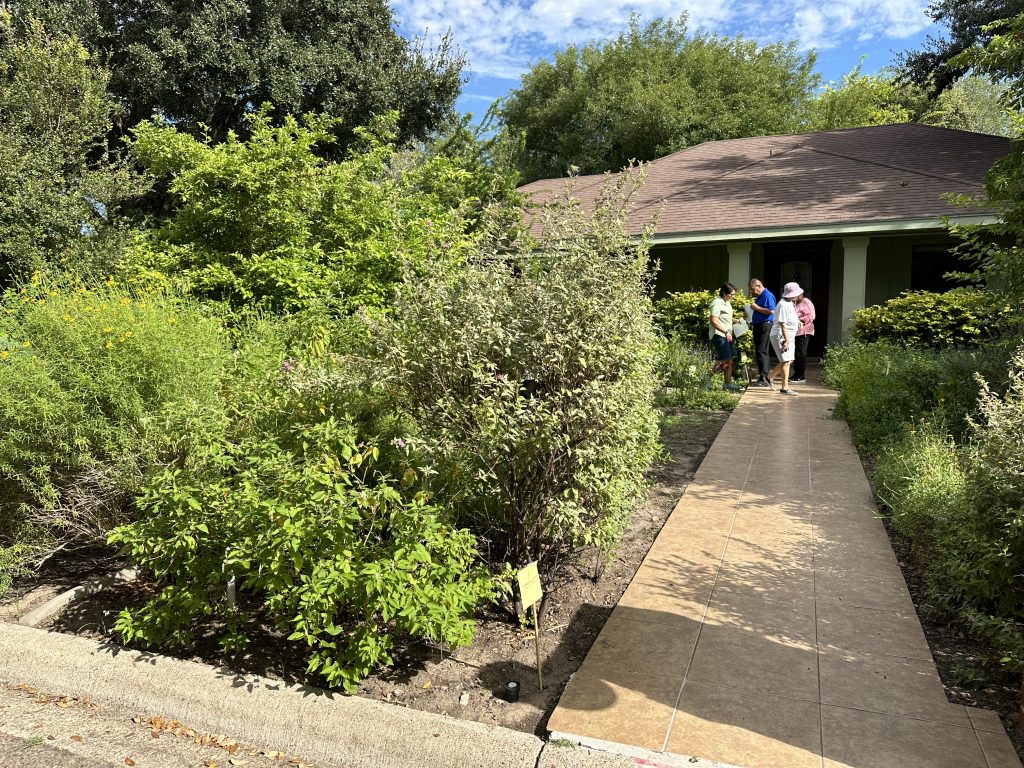
Native plant landscape on a front lawn in Edinburg, Texas.
Native plant landscape on a front lawn in Edinburg, Texas. Photo by Suzanne El-Haj.
Native plant landscape on a front lawn in McAllen, Texas.
Native plant landscape on a front lawn in McAllen, Texas. Photo by Suzanne El-Haj.

Creating a Neighbor-Friendly Garden

To create a neighbor-friendly garden with native plants, remember they can fit any yard style without looking unkempt. Communicate with neighbors about the environmental benefits, like attracting birds and butterflies. Follow the “right plant, right place” principle by choosing species suited to your yard for easy maintenance. Use online resources to identify native plants and shade mapping for proper planting. Start small and gradually expand, incorporating personal touches like habitat signs and decorative elements to blend with the neighborhood. Some beginner-friendly native plants in South Texas include Cenizo (Leucophyllum frutescens), Turks Cap (Malvaviscus arboreus var. drummondii), and Crucita (Chromolaena odorata).

In 17th-century England, manicured lawns were a luxury for the wealthy. Today, it’s time to shift away from this outdated norm and promote sustainability by transforming your yard into a native garden. Visit local nurseries, engage with community experts, and enjoy the beauty of native plants and wildlife visits.

Support RGV Storytellers.

Rio Grande Valley storytellers need your support. Trucha, a 501c(3) non-profit, provides artistic opportunities to the community, with the help of our donors. Your contribution will help us continue our mission to empower our creative community of storytellers. 

Support the Frontera

We rely on generous donations to publish original works each year and support artists in the Rio Grande Valley. Our community's voices are essential in shaping the history and narrative of the frontera!

Donate
Related Posts

Op-Ed: The Quiet Crisis in RGV Elections: Uncontested Races Are Weakening Democracy in South Texas

February 2, 2026

Andrea Torres, a Valley native, organizer, and advocate for civic engagement in South Texas, wrote the following op-ed that addresses…

Op-Ed: Etienne Rosas: An Alternative Candidate for the 34th Congressional District

January 27, 2026

Learn more about Democrat Etienne Rosas, who is attempting to break into the Rio Grande Valley’s political scene against Vicente…

The Dissolution of the LGBTQ+ Task Force in Brownsville

January 22, 2026

During the last months of 2025, the city of Brownsville’s one and only LGBTQ+ Task Force faced a possible dissolution…

View more

newsletter

This field is hidden when viewing the form

Next Steps: Sync an Email Add-On

To get the most out of your form, we suggest that you sync this form with an email add-on. To learn more about your email add-on options, visit the following page (https://www.gravityforms.com/the-8-best-email-plugins-for-wordpress-in-2020/). Important: Delete this tip before you publish the form.
Name(Required)