Fernando A. Flores’s latest novel, “Brother Brontë,” Reflects the Aftermath of a Tech Industrialist on a Community
Story by Sofia Treviño
Edited by Abbey Vela
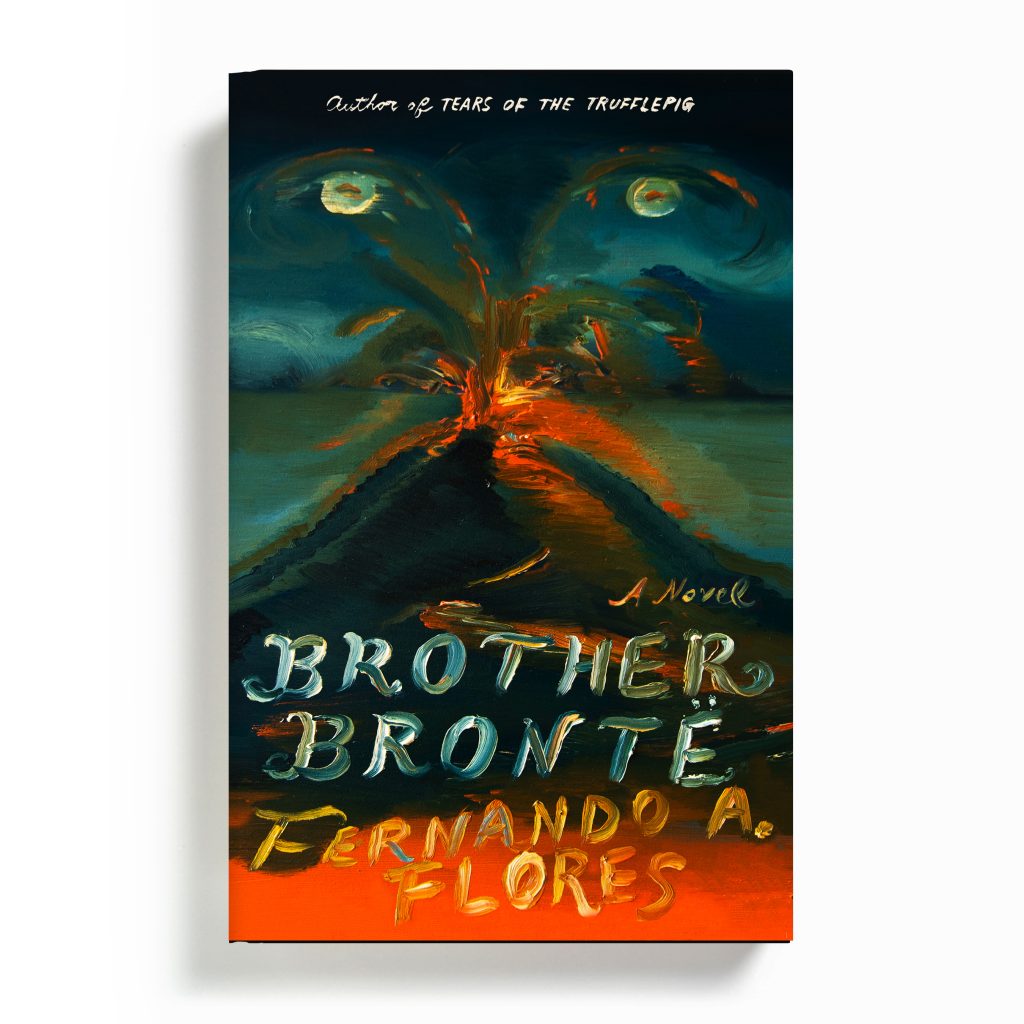
Among polluted lands and outlawed books, a ragtag group of women takes center stage in Fernando A. Flores’s latest novel, “Brother Brontë,” released in February. The book centers around different community members in Three Rivers, Texas, in the year 2038.
Raised in Alton, Texas, four miles north of Mission, Flores created a desolate setting in “Brother Brontë.” The city exists under the rule of a wealthy tech-industrialist mayor, Pablo Henry Crick, who runs the Big Tex Fish cannery. Mothers are pushed to work in the cannery as indentured laborers, and the factory expels fumes that cloud the sky.
In this grim environment, the book switches between the points of view of friends Neftalí and Prosperina. Neftalí goes through great lengths to hide a book, “Brother Brontë,” written by Jazzmin Rivas, after the mayor bans reading. Flores weaved a web where the friends and other citizens display resilience in Three Rivers and uncover Jazzmin’s connection to the city.
New Stories and Representation From Valley Writers
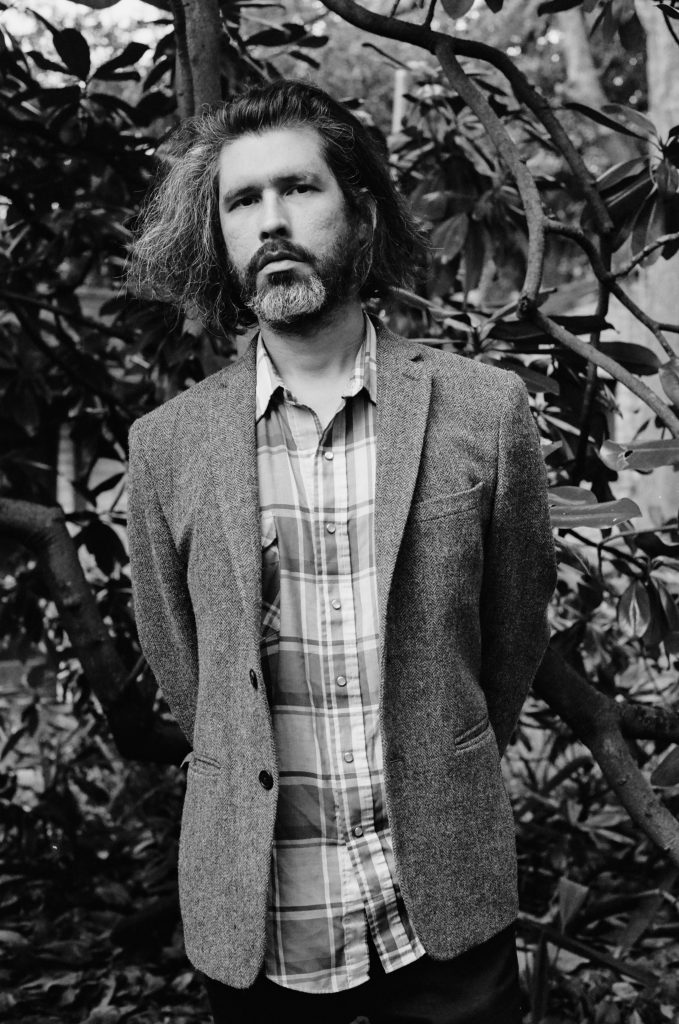
Flores grew up in a trailer community in Alton, finding solace in creative hobbies: collecting CDs, reading, and buying VHS tapes. His love for art led him to harvesting a passion for making stories of his own.
His adolescence is reflected in the novel, where the opening scene features Neftalí in her trailer. She’s seeing the aftermath of law enforcement ransacking her home, scouring for any signs of books to destroy.
Flores comes from a working-class immigrant family which shaped his desire to represent Valley experiences differently than what he saw in books and movies.
“A lot of stories coming from the Valley are centered on migration,” Flores said. “How can I add a different dimension to the way not only other people see this region and us, but how we see ourselves? Where are the kind of stories that we value that are not there?’”
His goal of wanting to add a different dimension to the Texas border and Mexican-American literature can be seen in the post-apocalyptic “Brother Brontë.”
“The stories that came out of the Valley are mostly stark stories without humor or irony,” Flores said. “When I was growing up, I looked around and everybody’s smoking weed, listening to punk rock and metal, working at HEB or whatever, and I didn’t see that represented in those stories.”
A Daunting Realistic Future: Elon Musk in the RGV
While fictional, the scariest part about this dystopian tale is how it isn’t an entirely impossible future.
The Big Tex Fish Cannery in Three Rivers is reminiscent of SpaceX’s presence in the Rio Grande Valley. In the 2010s, the company, which creates and launches Starship rockets, announced its presence in the RGV. The potential for job growth seemed like an exciting venture in hopes of an economic boom.
Years later, though, the Valley has faced a harsher reality: displaced Native American land, increased amounts of pollution, and damage to local wildlife.
On May 3rd, SpaceX’s rocket launch site officially became a city, known as Starbase, after inhabitants voted in favor of the new city. The new recognition as a city would allow Starbase to hold more control in the area.
Flores said he didn’t create the mayor’s character based off Musk, though. He started writing the book in 2015, not knowing what could occur now in the Valley. Flores said he wanted to incorporate authentic scenarios that would occur in real life to ground his experimental story.
“In my book, I just thought, I’m sure the state would offer cheap labor, cheap lands tax incentives, which are big reasons to have a billionaire create anything in this state or anywhere really,” Flores said.
Exploring Diverse Perspectives in Books
“That book can be useful to somebody, even if you think it’s trash. Why destroy it?”
(“Brother Brontë,” pg. 19)
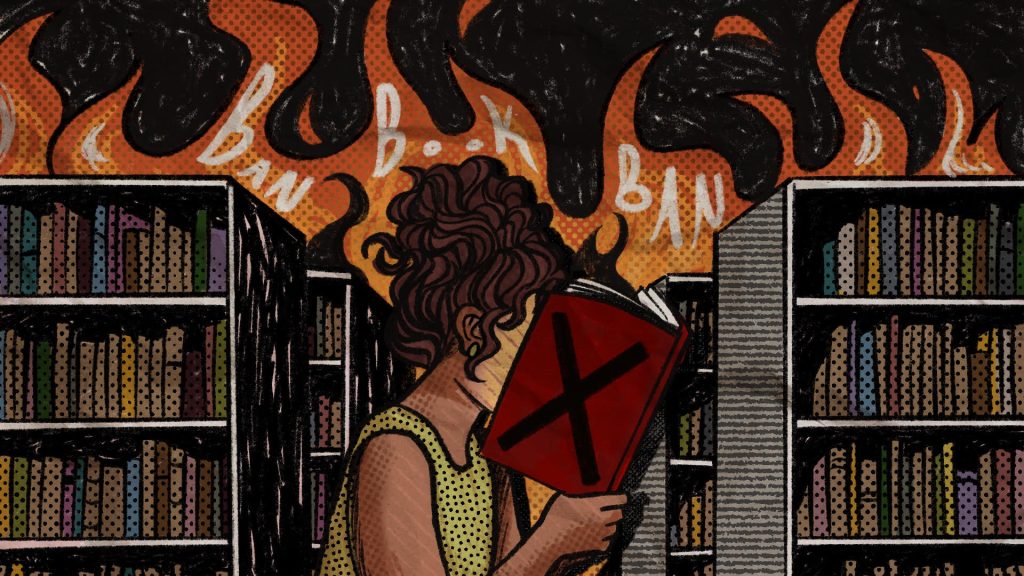
Another major plot of “Brother Brontë” is book bans, a similar issue faced in Texas and the RGV today. According to PEN America, in the 2023 to 2024 school year Texas banned 540 books. From those 540 books banned, 44% included people of color and 39% included queer characters.
The mayor in Flores’s novel outlawed books, citing them as a means to resist him and his company. Reading is a powerful tool that allows you to learn from different perspectives and gain critical thinking skills. In the real world, books are also banned whenever certain ideologies or points of view aren’t agreed upon by lawmakers.
“Art is worth grappling with,” Flores said. “Why do you want art to pat you in the back or to reaffirm whatever thoughts you might have? The most open-minded people are the ones always questioning things about themselves, art, and the world. Otherwise, you stay the same.”
Flores said that most of the time, the people banning books aren’t reading them. Instead people look for any signs of books that contradict their own ideologies. In the current Texas legislative session, the state Senate passed Senate Bill 13, giving parents more of a say than school librarians on what books belong in public school libraries. SB 13 remains to pass through the Texas House, but it still represents the censorship placed on stories.
“It’s outsiders targeting communities and creating havoc everywhere,” Flores said. “What is the book going to do to you? If your idea is so fragile that a book can destroy that idea, then how strong is it? How much is that idea worth fighting for if a simple book can destroy that?”
Resisting Oppression through Community
In Flores’s novel, readers are transported to a realistic anti-utopia. The fictional circumstances in Three Rivers outline a society that’s faced exploitation for one person’s economic gain while its people undergo negative impacts to their daily lives.
The book shows some characters who don’t stand up to the mayor because it’s easier to concede than to stand up for their community. They rat out those with books and shred them to comply with the new law.
Still, there are other characters resisting in any way they can, such as the worker mothers in the cannery. They secretly put together a “halceamadon,” a piece of paper that contains their stories from the cannery in text written backward.
“These women are dedicated to preserving cultural memory,” Flores said. “Even if they all come from different backgrounds, they’re all working on this book to put all their backgrounds together into this one long, sustained narrative.”
Through the characters in the novel, readers can continue to imagine how the Rio Grande Valley can flourish with community involvement. Whether it’s attending local town hall meetings, educating yourself on the main issues affecting your community, or voting, there are countless ways to get involved to support the Valley.
If interested in finding more ways to raise your voice, visit this guide: Activist Handbook. There are many social justice organizations in the Valley to explore, including the South Texas Environmental Justice Network, the Rio Grande Valley Central Labor Council, and the South Texas Equality Project.