October 4, 2024
Mitoli: The Art of My People and Why It Deserves Adequate Funding
Story by Tati Martinez Alvarez
Edited by Nina Alegre
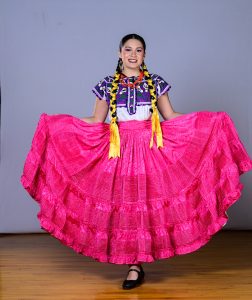
As I wait behind the black velvet curtains, I feel like I’m about to explode. My dance partner is in hand, but I still feel the standard pre-show nerves: “What if I mess up? My family is here. I am representing my people.” But suddenly, the traditional music plays, and muscle memory from days of hard work takes over. I dance freely and beautifully, and most importantly, I get to represent my Mexican culture.
Mitoli, otherwise known as Folklórico, is an art form that, through its complex steps and choreography, has taught me more about Mexican American history. It has also been a catalyst for my personal growth and development. Folklórico is more than just a type of dance: it strengthens and waters my Mexican roots, making me more confident in my sense of self. When I dance on stage, the weight of the world and the pain I have experienced as a brown, non-binary Latinx person fade away.
The hours I spent practicing to the point of blistering feet and layers of sweat were all worth it. All I see is my dance partner and the audience; hearing the audience cheer and clap is hands down the best thing in the world. This feeling pushes me to be better and to take pride in my culture. For once, my beautiful culture is applauded, not demonized.
How Art Education Impacts Students
My positive associations with Folklórico are not random or unique. Research shows that arts education remarkably impacts students’ academic, social and emotional outcomes.
According to the Brown Center Chalkboard, students with access to art experienced a 3.6% reduction in disciplinary infractions, an improvement of 13% of a standard deviation in standardized writing scores, and an increase of 8% of a standard deviation in their compassion for others. Moreover, students who received more arts education reported being more interested in how others feel and more likely to want to help mistreated people.
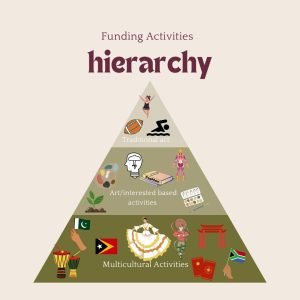
Activities like Folklórico are vital to student success. Yet in my school district, activities like Folklórico lack funding and are seen as less than. A clear hierarchy disadvantages not only arts education but also multicultural activities. Unlike other activities and programs, we must self-fundraise to sustain ourselves. Last year, each student had to raise at least 580 dollars to attend our annual national competition. This financial burden often falls disproportionately on students from marginalized communities, further perpetuating the inequities in our education system.
Student voices must be reflected in my district’s school budgeting processes and beyond for this funding hierarchy to change. Students of color and other marginalized students are the ones most often left out of these discussions and decisions.
Our Turn, an educational justice non-profit organization, recently released a groundbreaking report about the opportunities to transform education through student engagement with school budgeting. The report offers district leaders lessons on how to leverage student perspectives and promote greater inclusivity and equity in their decision-making.
As my high school experience at PSJA North ends, I am hopeful for the future. Just as Folklórico has shaped my experience, I want to leave behind the same opportunity for future students. I hope that my district and others will work harder to engage students in the budget process so that our needs, passions and perspectives are considered.

Schools That Are Leading The Way
Some school districts are already leading the way. The Charlotte-Mecklenburg Youth Council is an excellent example of a student advisory council that meets regularly with school and community leaders. Thanks to Our Turn’s student leaders and activists, the Atlanta Public School Board recently approved a pilot student mental health board for the Fall 2024 semester, planning to recruit students at the beginning of the school year.
Student advisory boards are not a foreign or new concept. Congresswoman Anna G. Eshoo established her student advisory board for students who live in her congressional district in 1993. The board has had its fair share of successes. Many past student boards have also researched essential issues and made legislative recommendations to Congresswoman Eshoo.
I wish my peers and I had the same opportunity to advocate for our priorities, build civic leadership, and help improve our school and community. By involving students in the budgeting process, we can create a more equitable and inclusive education system that truly meets the needs of every student.
How We Can Spark Real, Authentic, Change
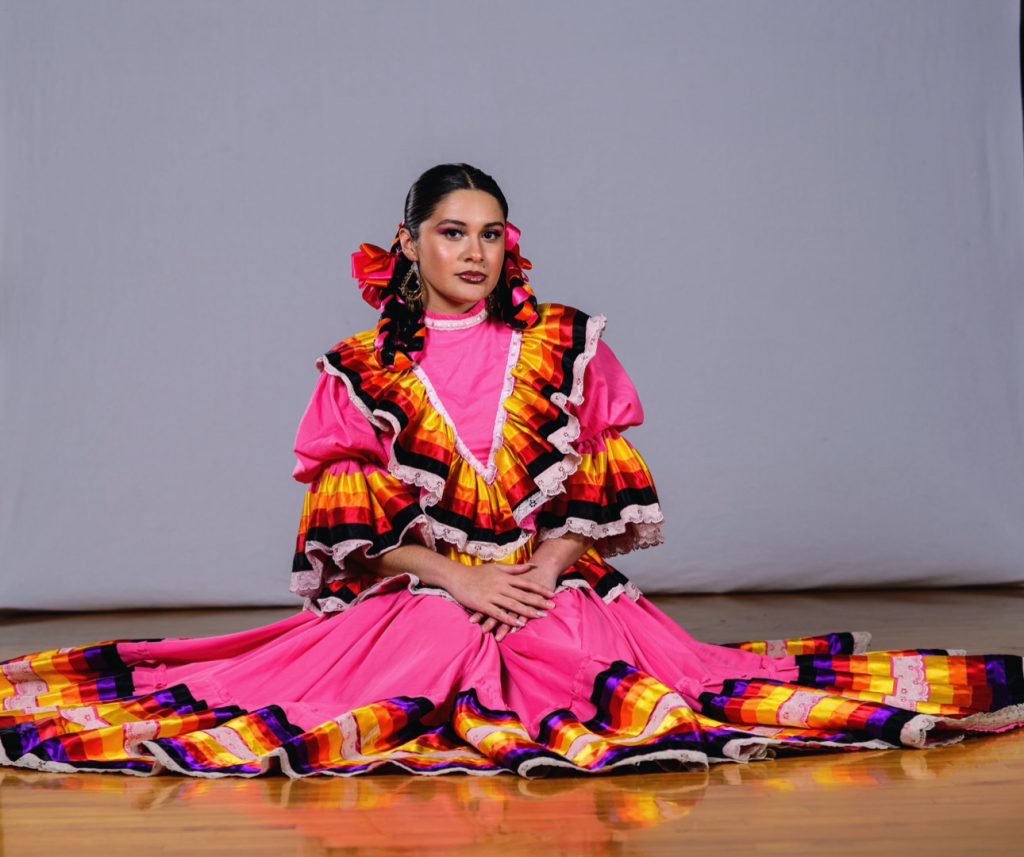
The message I want to deliver to my school district is that we can truly be ourselves when we dance. As Mexican Americans living in the United States, it’s not every day we get to be unapologetically ourselves. Oftentimes, our culture is ridiculed and shamed.
In the Rio Grande Valley, Latinos are the majority, but white supremacy and cultural biases still have a tight grip on our school’s funding practices, putting Folklórico and other multicultural activities in last place. I hope our school leaders realize how important preserving the art of Folklórico is because when we dance—we get to prove that Mexican culture should be celebrated. We get to invite our classmates and communities to learn from our history and so much more.
As the new school year begins, I hope that school leaders across the country will take the time to learn more about funding practices and how to involve students in the budgeting process. One thing that district leaders and stakeholders can do is absorb Our Turn’s report, which demonstrates the value of student engagement in the budgeting process. Another thing that anyone, regardless of whether they are a student, school board member, or even just someone interested in educational justice, can do is help Close The Gap for Our Turn. We have recently shifted our organizational focus, revamping and revitalizing what it means to be an education justice non-profit.
With the critical 2024 Presidential Election just a few weeks away, there could not be a better time to fuel our efforts for a more just and equitable school system!
Support RGV Storytellers.
Rio Grande Valley storytellers need your support. Trucha, a 501c(3) non-profit, provides artistic opportunities to the community, with the help of our donors. Your contribution will help us continue our mission to empower our creative community of storytellers.