September 6, 2024
LNG Approvals Revoked: South Texas Activists Celebrate Court Decision
Story by Melissa Cortes
Edited by Abigail Vela

Liquefied Natural Gas (LNG) industrialization in South Texas has a long and complex history. For over 10 years now, several companies have proposed plans to construct LNG export terminals in the Port of Brownsville. Many Cameron County officials have welcomed the projects and even passed tax abatements to continue attracting these companies. Meanwhile, Indigenous groups and environmental advocates have been campaigning against LNG since the start due to the destructive and irreversible impacts it will have on our environment and communities.
This summer, filled with some losses and major wins, proved to be a big one in the fight against LNG. A Washington, D.C. court ruled to cancel the Federal Energy Regulatory Commission (FERC) ‘s previous approval for two LNG export terminals in the Port of Brownsville. This was a historic win for environmental advocacy in the nation, thanks to the tireless efforts of activist groups like the South Texas Environmental Justice Network (STEJN) and the Carrizo Comecrudo Tribe of Texas.
“It’s hard to get victories,” said Bekah Hinojosa (she/ her), co-founder of STEJN. “Here in the Valley, we’re constantly being extracted or used, so it felt really good because it’s years and years of people’s power. It shows that relationships and community organizing are very valuable.”
While this decision is a crucial win in the fight against LNG industrialization, the companies involved in the projects, such as Next Decade and Glenfarne Group,, are still looming and threaten to continue their efforts to build the terminals. With ongoing resistance, the fight against these projects is far from completely over.
LNG Court Ruling & Environmental Concerns
The D.C. Court of Appeals revoked the terminals’ approval, finding that not enough studies had been conducted on how the project would inevitably affect nearby communities, wildlife, and the environment. This ruling reflects the warnings that community advocates have been asserting for well over a decade now.
“We’ve lost a lot of lawsuits where we should have won where it was clear that LNG in the valley is environmental racism. But you know, we have such a strong coalition that the courts had no choice but to listen to our argument,” said Hinojosa.
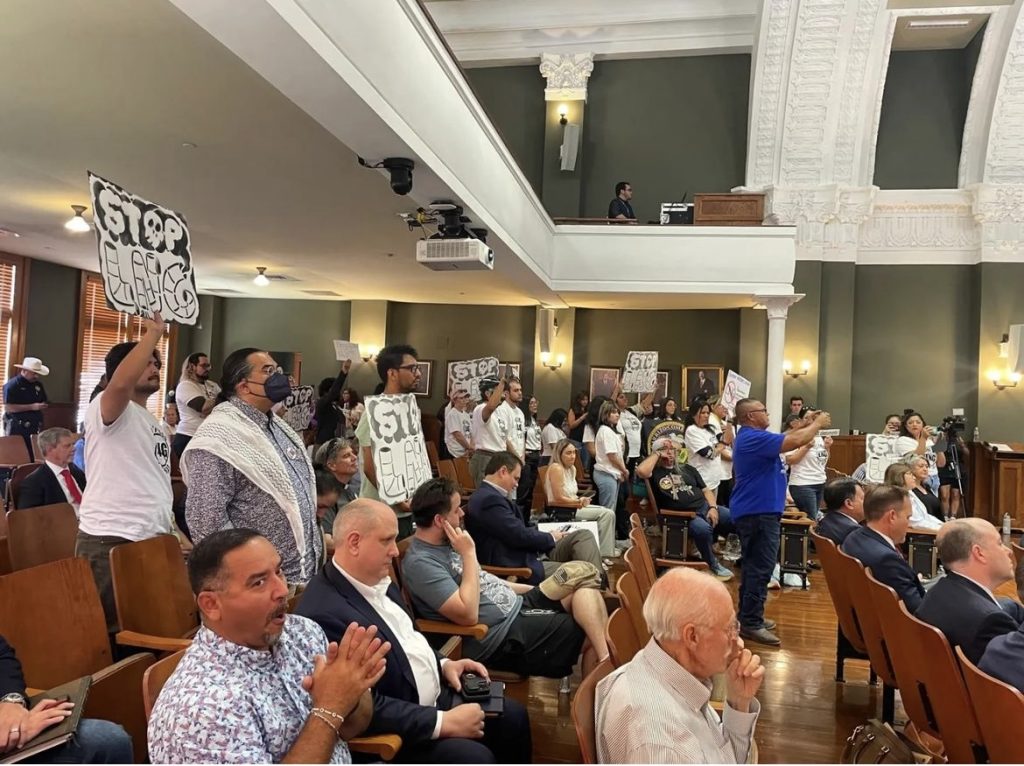
The dangers that LNG industrialization poses are severe. In the past, we’ve reported on how this will impact our communities. For one, the projects will destroy Indigenous land as they are proposed to be constructed on a burial site of the Carrizo Comecrudo Tribe. They will also cause irreversible pollution and damage to our ecosystem, not to mention the negative health impacts that harmful pollutants from LNG will bring to our communities.
It’s important to note that the Port of Brownsville is the last major location along the Gulf that remains untouched and free of the fossil fuel industry. Fighting to ensure our land remains that way is more imperative than ever.
Ongoing Battles
Local activists remain committed to protecting the land and communities from the harmful effects of LNG industrialization despite the many hurdles they have to overcome.
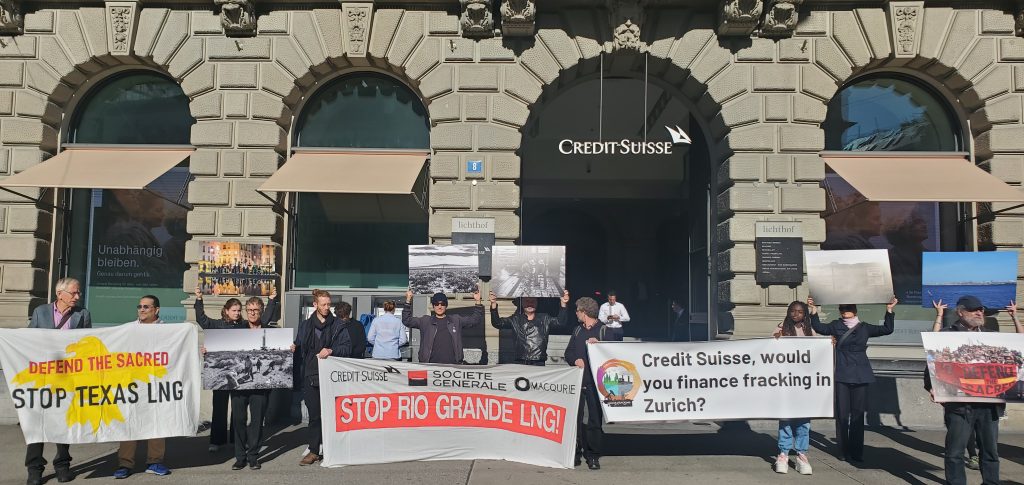
“The fight, unfortunately, keeps going,” said Hinojosa. “LNG companies might try to get this permit again, which is why we are gonna continue yelling at banks and investors to stop giving them money so that they quit trying to get their federal permit.”
Hinojosa expressed that the permit process can be incredibly complicated and full of government regulations that make it hard for community members to be involved. To help, STEJN focuses on simplifying things and providing accessible information to ensure the community is always informed.
Lupita Sanchez (she/her), executive director of Border Workers Unite, a workers’ rights organization that has been closely involved in the fight against LNG, echoed a similar sentiment.
“As long as we can keep informing and empowering the community so they are ready for whatever is coming next,” she said. “As long as we work hand in hand with community members, we’ll be okay.”
The court ruling this summer and the fight against LNG industrialization in South Texas isn’t just a local issue. It is part of a much larger picture. What’s happening here in the RGV mirrors other environmental issues across the country, where communities are pushing back against harmful projects. This recent win is a reminder that grassroots efforts matter and that staying informed and involved is crucial to protecting our land and people.
It might seem intimidating at first, but if you are interested in environmental issues in our community, such as LNG or Space X, try getting involved with local activists. It could be something simple like signing a petition. You could also attend an event and get informed, more importantly, sharing that information with your family and friends. You could even attend public meetings and voice your concerns and opinions. The important thing is to be in the know and remind companies and politicians that we also have a say in what happens to our communities.
Support RGV Storytellers.
Rio Grande Valley storytellers need your support. Trucha, a 501c(3) non-profit, provides artistic opportunities to the community, with the help of our donors. Your contribution will help us continue our mission to empower our creative community of storytellers.