September 17, 2024
Op-Ed: Protecting the Voices of the RGV: The Dangerous Hate Narratives
Story by Jordynn Garza
Edited by Nina Alegre and Abigail Vela
Note from the Editors: This article was written by one of the six fellows who participated in the 2024 Pluma Libre Journalism Fellowship. This year’s fellowship focused on developing stories about local LGBTQIA+ and immigration issues.
When I was in college studying creative writing at the University of Texas at Austin, I wrote a story about a girl from a migrant family whose family was happy, light-hearted and kind. My professor, Oscar Cásares, who was originally from Brownsville, said that was an inaccurate depiction of immigrants because he believed that migrants were people who were hardened by life and would not act like that. What my professor did not know was that I had based this family off my own migrant family, who are some of the kindest and gentlest people I have ever met.
Frustration built up in the pit of my stomach listening to Cásares’ comment; I left the classroom with heat in my cheeks and bitterness on my tongue as I called my mom and told her exactly what he had said. Cásares had said this to a class filled with predominantly white students. By saying this, he was creating a single-minded narrative and presenting it to people unaware of the migrant experience. My classmates did not know the struggles immigrants faced in being treated like human beings; they did not know the challenges and fears they lived with each day, and they certainly did not know that their hearts were as kind as they were resilient.
I would have expected this from someone with limited interactions with migrants, but from a former Brownville resident who had written a book titled “Brownsville: Stories” and was now a representative of the area, it was disappointing, to say the least. “Brownsville: Stories” is a collection of short stories that follow men and women of all ages as it peeks into their lives, dreams and regrets. It speaks about the lived experience of how life has a way of reminding you of the past in the present. Knowing this, Casares should have known his power in that classroom and realized what narrative he was now spreading.
The Consequences of a Language of Hate
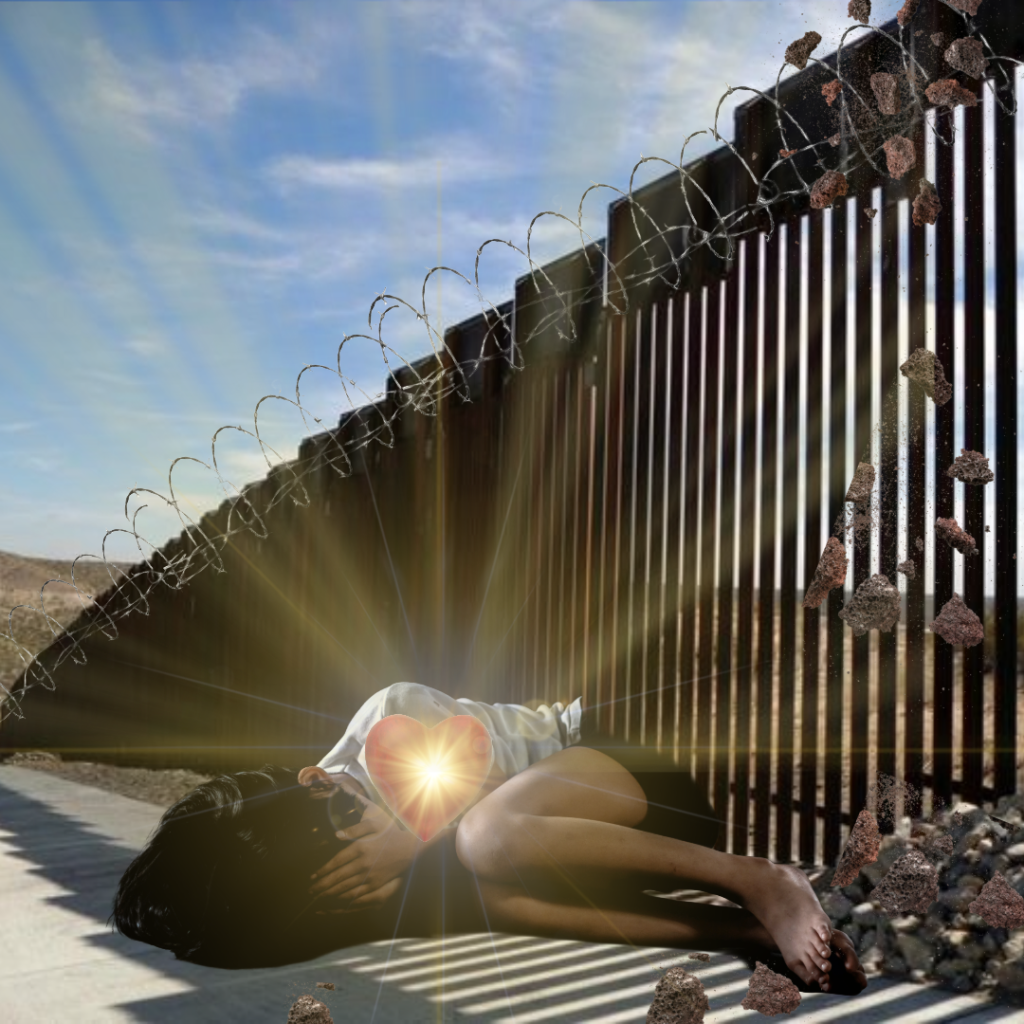
The inaccurate narrative that immigrants are “invading the country” has been spread across the United States and has progressively worsened. Now, migrants and immigrants are being referred to as “criminals” and “thieves.” Fox News, for example, has a whole page titled “illegal immigrants,” with each headline sharing the word “illegal” and some adding in “attack America.” The use of dangerous language such as “illegal alien,” “invasion,” and “replace” continues to create deadly situations, such as the mass shooting at Walmart in El Paso on August 3, 2019. These acts of white supremacy are enabled by the Texas legislature, which uses unfair policies and rhetoric to dehumanize and harm immigrants.
The Texas government has militarized the border with Operation Lone Star and mobilized more than 1,000 service members since 2021. However, what the U.S. government and Governor Greg Abbott fail to do is ask border communities what they want. As a result, the voices of border communities are lost and overshadowed by louder, dangerous rhetoric.
A Voice for the Border: The Border Network
Some people and groups in border communities have organized to combat these narratives and policies that harm their livelihoods. One group, centered in El Paso that has operated for 25 years is Border Network for Human Rights (BNHR). This organization works to create meaningful change in policies, politics and practice.
Alan Lizarraga (he/him/el), the communications manager of the Border Network for Human Rights, joined the organization after he realized the importance of being at the border. During the Trump era, Lizarraga recognized that the country was not on the side of families and communities like his.
Lizarraga started organizing at the University of Texas at El Paso and quickly realized other students were afraid to speak up. Students lacked support systems and feared the risk that came with speaking up. He was frustrated that people could not get the help they needed and then sought out a space that was having these tough but important conversations. Lizarraga was happy to join BHNR where they really spoke up for and cared about border communities.
“The mission of the Border Network really is to make sure that everyone in our community knows that they have rights, that they have dignity, that they are part of this community, and they want to be able to give people the power to really make meaningful change in their communities,” Lizarraga shared.
BNHR wants people to understand that under the United States Constitution, everyone has rights regardless of status. Everyone has the right to be safe and protected and should understand how to use their 4th, 5th, and 6th amendments. People do not have to answer immigration questions or sign any documents that are not in their primary language, and they have the right to a public and fair trial.
Hugs Not Walls Reunites Families
BNHR also hosts campaigns such as Hugs Not Walls, which aims to reunite families that have been ripped apart by the United States government in the Rio Grande River. They bring together 300 families and create “a place where families are no longer separated. A place where love, family values, dignity is the driving point.”
However, the Texas and United States governments actively work towards harming border communities and making this project harder and harder by covering these locations with barbed wire. Last year, BNHR had to change their venue within a week as the government had blocked up those areas. Hugs Not Walls is a costly event, and the resources are limited. These additional external obstacles make the campaign tougher to organize each year.
BNHR was able to work with various agencies, such as the International Boundary and Water Commission, to find a new location. Unfortunately, that location has also been bombarded with barbed wire.
“Our solution is not to have Hugs Not Walls here forever. This is a very important wake-up call for Congress that they need to act. So obviously, we will keep doing this as long as we need to to provide families that relief but at the end of the day, this is something that needs a solution. Congress really needs to get to work and provide those families the relief that they need,” Lizarraga noted.
Ways To Protect Our Border Communities
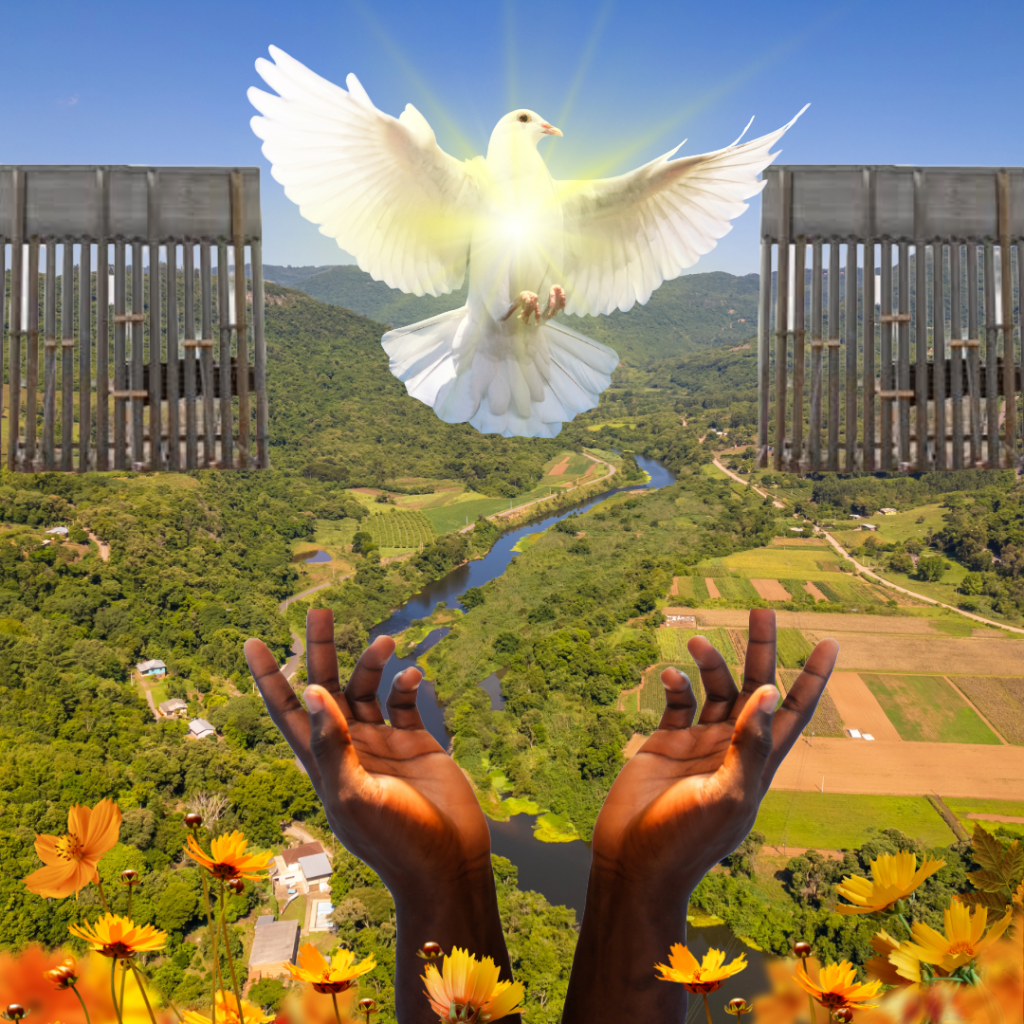
Changing the way that the media and the government speaks about immigrants is a huge part of protecting our border communities. When we continue to use dangerous language, we allow for these ideas of white supremacy to take shape and harm people in the community. Calling out media and changing individual perspectives are important ways people can enact change.
Other ways to help change this narrative are to participate in local organizations and protests, donate to and join memberships of groups such as the Border Network for Human Rights, La Unión Del Pueblo Entero (LUPE) and the Texas Civil Rights Project spread the stories of the people who are most affected by these narratives: the border communities.
Our country is a melting pot of diverse people, ideas and cultures. To treat it as any less is a disservice to the people who have always been the backbone of America. Lizarraga concluded, “We try to push that the border is the new Ellis Island. Really making sure that the country understands that historically we have received immigrants, refugees and they have made our country what it is now.”
Support RGV Storytellers.
Rio Grande Valley storytellers need your support. Trucha, a 501c(3) non-profit, provides artistic opportunities to the community, with the help of our donors. Your contribution will help us continue our mission to empower our creative community of storytellers.