Seeds: Narratives of Queer Identity and Borderland Flora
Story by Jacinda Mia Perez
Edited by Nina Alegre and Abigail Vela
Note from the Editors: This article was written by one of the six fellows who participated in the 2024 Pluma Libre Journalism Fellowship. This year’s fellowship focused on developing stories about local LGBTQIA+ and immigration issues.
As anti-LGBTQIA+ rhetoric and policies are amplified under the leadership of regressive administrators, resistance in the RGV must take on forms as resilient as the queer community itself. This begins with connection. To connect to our ancestral lands, to ground ourselves, and to feel the earth’s frequencies is an expression of love and alignment. When we mirror the nature that surrounds us, we find the intricate fibers of our existence that reveal staggering beauty, unbound frustration and delicate complexities. Like the native plants along the RGV, queer people here have adapted to harsh environments and continue to stand proud to protect their identity.
Seeds is an oral history project that offers a space for queer RGV residents to reflect, deconstruct, and grow. By sharing our lived experiences aloud, we are resisting erasure. By embracing the native plants of our ancestors, we are embodying liberation.

Mesquite
Often misunderstood and underappreciated, this tree of life thrives in an arid climate with minimal water. The mesquite is a fighter. Remember this when Trump’s men attack you.
In a reportage/love letter about the ubiquitous tree, one Texas Highways journalist wrote, “You’ll try to trim the branches and end up leaving thorns red-tipped with your blood.” In this period of political upheaval, South Texas queers will survive.
Tuna (Prickly Pear)
RGV chef and activist, Nadia Casaperalta, describes the tuna as “the enlightenment of nopales.” It can be fermented, consumed raw, used medicinally, or processed for teas. Its versatility is endless, and much like queer art, it offers transformation and abundance.
“The tuna is something that’s so special. It’s so magical. It’s so foreign, yet familiar” Casaperalta mused. “They’re the gay nopales. They’re so flamboyant, they’re vibrant, they’re sweet, they’re delicious, they’re tart. They are so on the spectrum of diversity in their own way. Whereas the nopal is a little bit hetero,” she quipped.
Huisache
Huisache can easily be identified by its fragrant yellow flowers. Every bloom is an example of queer love — bright, fierce, intoxicating. The tree is armed with sharp thorns that have protective properties, reminiscent of the shields that many queer people in our communities have used against hatred.
“There hasn’t been a sexual revolution that happened decades ago,” Laredo activist and Seeds participant, Juan Ruiz, highlighted. “Laredo is nearing that point to where we’re going to see queendom and homosexuality as more normalized and not something that has to be hidden.”
Sábila
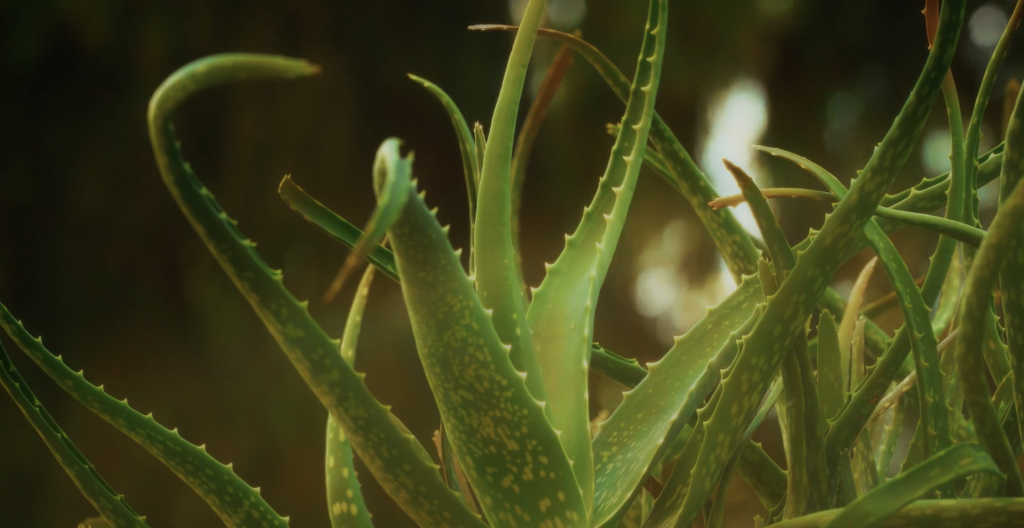
Sábila (Aloe Vera) is a therapeutic gem not native to South Texas but is so adorned by its inhabitants that it can be considered an honorary native plant of the RGV. Research shows that beyond soothing burns and healing wounds, Aloe Vera has the potential to offer anti-inflammatory and anti-cancer benefits. May it be via art, drag, protest, or storytelling, queer healing manifests in multifaceted ways.
Share Your Queer Stories
The RGV queer population has the capacity to resist homophobia with joy, anger and every emotion in between. We are as diverse as the natural life that surrounds us, and our queer expressions reflect a lineage of survival.
If an extremist ever refers to you as “unnatural” or “sinful” you can refer them to “Second Nature,” a documentary narrated by actor Elliot Page that references queer ecology as it relates to natural animal life.
Share your personal story about how you connect to the native plants around you. For more information, feel free to email seedsproject956@gmail.com.