The Last Sugar Mill in Texas: A Legacy of Agriculture, Agreements, and Activism in the RGV
Story by Laura Barrera Lamb
Edited by Abigail Vela
Editor’s Note: On March 10, 2025, edits were made to correct Jose Torres’ and W. Raymond Cowley’s names.

I have been away from the RGV for a long time. With the countless car washes, fast food joints, classy restaurants, and coffee shops, it’s easy to see our home is rapidly expanding. Recently, I drove by a massive colorful mural on the wall of a furniture store on Old 83. The mural portrays a train hauling citrus and watermelon through lush, vibrant green fields. In the early 1900s, railroads arrived in the Valley, and so did the marketing idea of the “Magic Valley.” This painted an image of thriving, fertile land that White developers could purchase in order to grow crops. This promotion of a “Magic Valley” also encouraged the planting of palm trees in order to make the valley seem more attractive.
What is lesser known in this narrative of RGV agriculture is the sugar mill in Santa Rosa. This article highlights the mill’s history, the legacy of successful strikes, and how we can look ahead.
The Water Treaty of 1944 and A History Of The RGV Sugar Grows Inc.

A brief timeline of events can help in understanding the creation and demise of the sugar mill in the RGV:
- In 1944, a water treaty was established between the United States and Mexico. Like any treaty, it is lengthy, full of legal jargon and can be intimidating to read. The 58-page bilingual document explains which parts of rivers belong to either country and how they should allot or share that water with each other.
Article 15 highlights what to do during droughts. Article 10 mentions what the United States should do in case it is unable to allot its water supply to Mexico. The treaty indicates that the International Boundary and Water Commission (IBWC) will keep records regarding water from both countries, however, there is only readily available data about water allotted to the United States, not to Mexico. This makes it ambiguous to understand the water relationship between Mexico and the United States.
- In 1945, people on the U.S. homefront were given annual sugar rations.
- In 1973, the sugar mill in Santa Rosa opened under the name “Rio Grande Valley Sugar Growers Incorporated.”
- By 1999, due to the North American Free Trade Agreement (NAFTA), producing sugar in the United States was more expensive than importing it from Mexico.
- In 2024, the sugar mill in the RGV closed, stirring rumors and tension between the U.S. and Mexico.
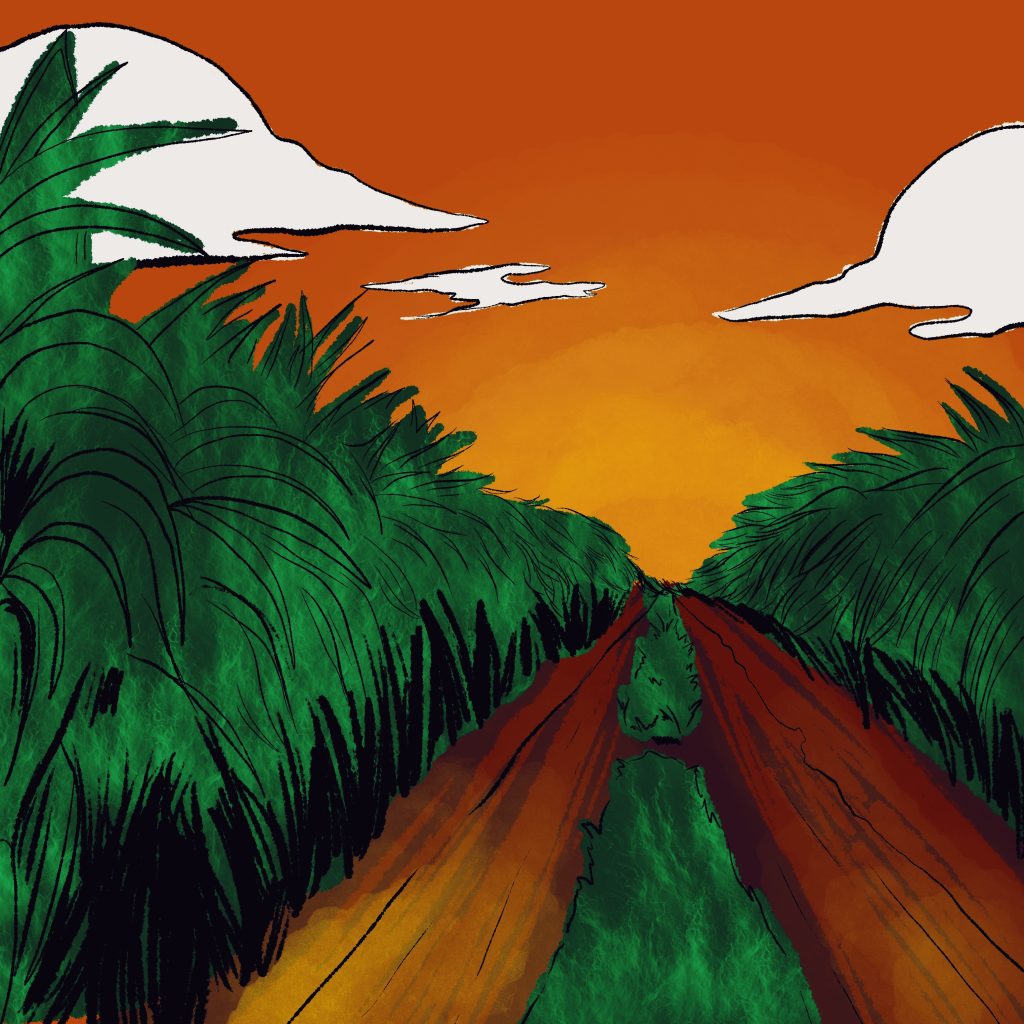
Sugar in the RGV went through a long process to become refined. It was grown, harvested and processed at the Santa Rosa mill. Then, it was sent to Louisiana for further processing and eventual packaging under the Domino Sugar Brand. The mill was run as a cooperative of growers and workers who lived nearby. Growers were people like W. Raymond Cowley. He was dubbed the “sugar mill daddy” and died earlier this year. Jack Nelson and Malcomb Dyer were other growers. Truck drivers and farm workers were typically Latinos from the area. On some occasions, the workers challenged this dynamic by striking for better wages.
This February, when the sugar mill closed, many blamed Mexico for “refusing” to allot its part of water as outlined in the 1944 Treaty. Labor organizer Jose Torres believes there are other reasons why the mill closed. Señor Torres believes that anti-Mexican language is being used to blame Mexico. Furthermore, he reminded me that we live in a colonized space where Growers dominate and control the narratives about our home. In 2022, the Monitor explained there were many economic factors contributing to declining sugar production, such as the rise of alternative sugars. Malcomb Dyer, a grower of the sugar mill, blamed the 1989 freeze. At this point, we need to start asking ourselves if climate change is responsible for the struggling agricultural economy in the Valley, not misquoted treaties.
Legacy of Strikes
Three notable strikes occurred at the sugar mill in 1991, 1999, and 2007. Strikes are a common form of political demonstration. This tactic involves no longer working, and forces those in power to listen to the workers and why they are striking. Sometimes strikes are successful, and sometimes they are not. These forms of activism have largely gone unacknowledged, and their story is vital to the farmworker history of the RGV.
The 1991 strike demanded hourly wage increases for truckers and farm workers. Truckers were an important component because the mill provided the beginning stages of harvesting and processing sugar. It had to be sent off elsewhere to be refined. While there was a spokesperson for the strikers, the strike was organized in a collective manner, with an organizing leader for each shift. The tactic of nonviolence was used at the three strikes despite a police presence.
About a quarter of the truckers and field workers participated. At this time, the sugar mill had about 900 workers, and it was reported about 365 participated in the 1991 strike. This included a surprise number of 200 field workers who decided to join the strike while it was occurring. At this time, Juanita Valdez-Cox, former executive director of La Unión del Pueblo Entero (LUPE), explained that the sugar mill strikers were so successful because of how organized they were.
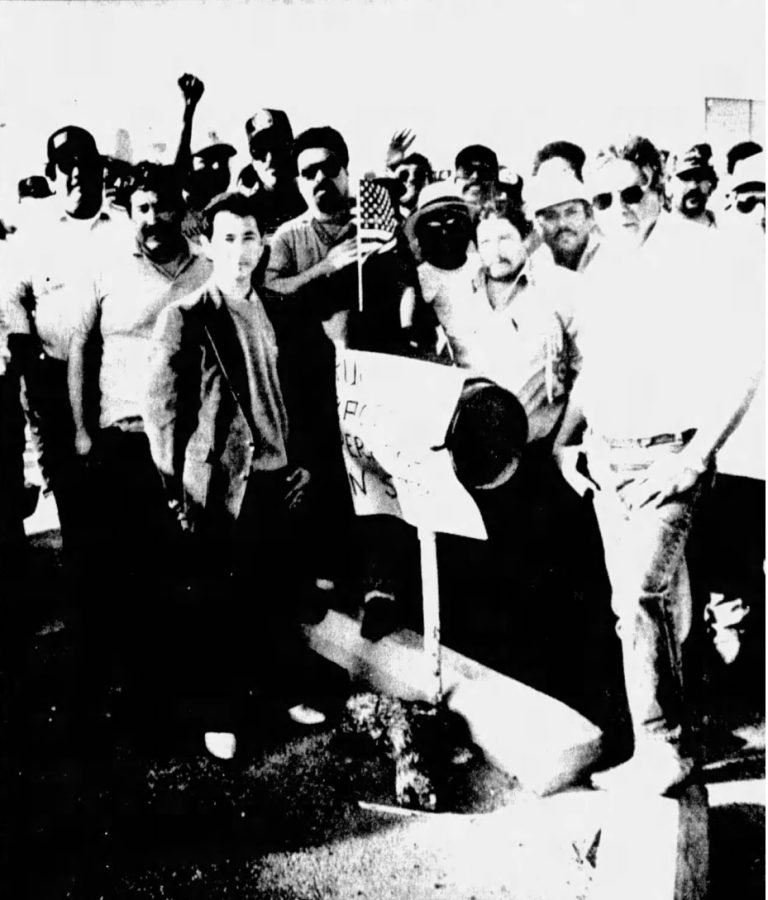

These three strikes lasted about three to five days, and all resulted in the striker’s wage demands being met. This legacy of successful strikes is vital to the farmworker narrative. While the sugar mill provided jobs for Valley people, it also provided an avenue of activism.
The Fate of the Sugar Mill Workers and RGV Agriculture
Now that the sugar mill is closed, some growers helped workers find new jobs earlier this year. The issue of water is a growing concern for the cities like Mission, where citrus is grown. Other cities have a record-breaking number of car washes being built, which raises questions about where these companies are obtaining water from if there is a drought and water scarcity. Many parts of the mill are now being sold off to other companies.
We should always question what we are being told is happening in our community. Sharing the legacy of the sugar mill in Santa Rosa opens the door to addressing climate change and listening to the historical narratives and voices that can be unearthed in the Rio Grande Valley.
Support RGV Storytellers.
Rio Grande Valley storytellers need your support. Trucha, a 501c(3) non-profit, provides artistic opportunities to the community, with the help of our donors. Your contribution will help us continue our mission to empower our creative community of storytellers.