September 3, 2024
Op-Ed: Uncovering the Hardship and Struggle of a Flawed Bus System in Brownsville
Story by Nina Alegre
Edited by Abigail Vela

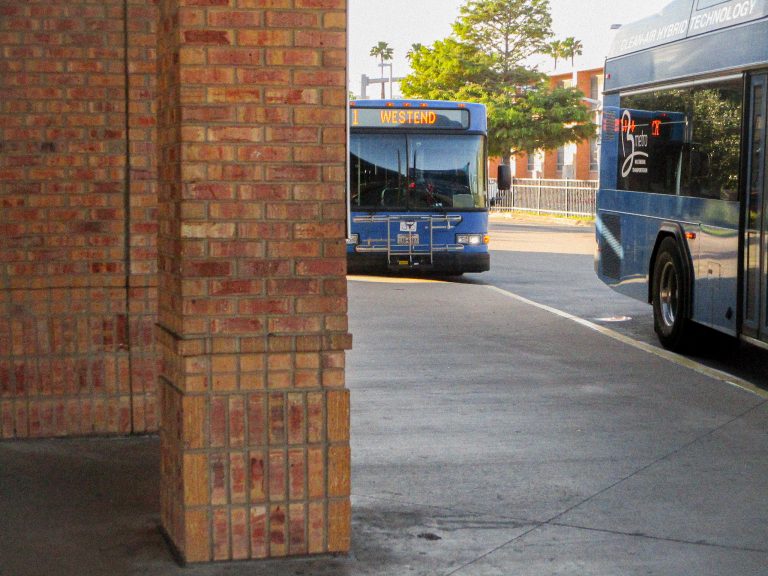
Long before I was able to buy my own vehicle, I had to use the bus to get from place to place. Public transportation was how I commuted for many years, from my early college days to my last ones. Using public transportation had its ups and downs. On one hand, it helped me reduce my carbon footprint, aided my driving anxiety and allowed me to connect with my community by interacting with other riders. But on the other hand, I regularly had to cross dangerous roads and walk for long periods of time, whether it rained or shined.
As time went on, using the bus became more and more difficult. Despite my love for sitting on the bus while listening to music, I had to stop taking the bus due to how badly the system was structured. Now, as Brownsville Metro’s (B-Metro) proposal to increase the bus fare prices was approved by the Brownsville City Commission on Tuesday, August 20, it’s hard to see how the current bus system wants even more money instead of fixing the current system which is in dire need of some restructuring with the money it already has.
Brownsville Bus Fare Increase Gets Approved
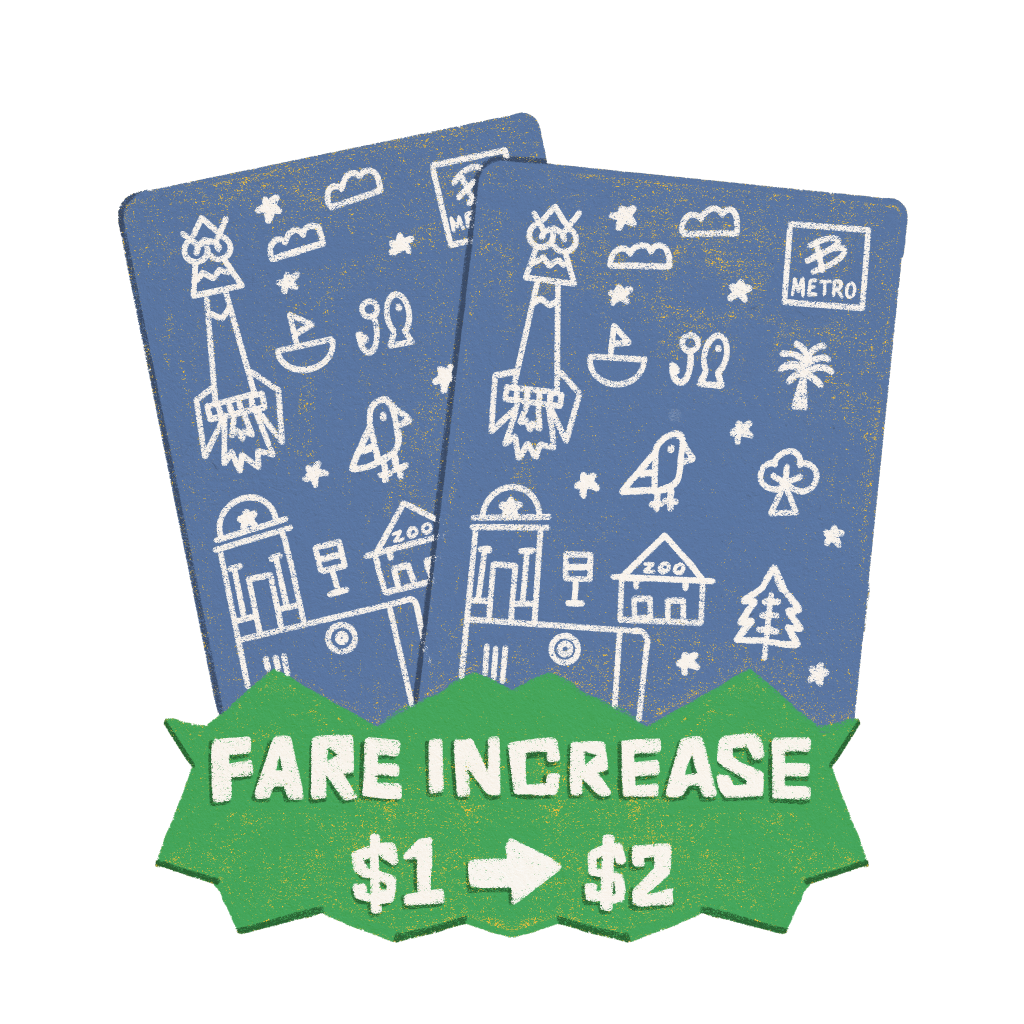
For over a year, B-Metro has received many upgrades to its system. These upgrades include everything from new buses, new shelters and smart cards. While this seems to be all good news, it isn’t exactly true. Starting October 1, Brownsville residents will have to pay the new fare, which was approved by the Brownsville City Commission and will change from $1 to $2.
This comes as a result of B-Metro being short on revenue and having an almost $1 million deficit. Director of Multimodal Transportation Joel Garza stated during the City Commission meeting that the general fare has not been raised in the last 20 years. But if B-Metro was able to keep these fare prices for 20 years, why not keep working just as hard to keep them at that price for longer?
Sydney Ribera (any pronouns), the Southern Regional Organizer of Half the Sky, shared her opinion on the matter: “Raising the bus fares isn’t just a dollar change—it’s a barrier to life and equity. As a college student in Brownsville, I depended on public transportation, but doubling my annual bus fares when I was already struggling would have made my education a nightmare.”
Ribera also said that the bus routes don’t run all day, have frequent stops or access enough areas to be worth this much money. All of this is true, and many bus riders in Brownsville, like myself, can attest to these issues. It’s important to note that Ribera was one of the attendees at the City Commission meeting last Tuesday, Aug. 20, and was waiting to give her comment, but the meeting went on for much longer than expected, and she was unable to.
While B-Metro will still be giving a 50% discount to students, seniors, people with disabilities, and veterans, this increase is still impacting a large group of people, such as recent or longtime graduate students from nearby universities who can no longer take advantage of the discount and hardworking parents who utilize the bus as their main means of transportation.
She was not the only one who waited hours to voice her concerns. Many organizations and Brownsville residents were present and waited until they could be called to give comments on the agenda item nearly three hours later. I was one of the first who was able to give my comment during the public comment period, but the meeting did not start at 5 p.m. as scheduled due to there being an executive meeting in progress beforehand. However, I was glad to voice my disapproval of the increase and that I got to stay for the important parts of the meeting to see the ways in which my community fights for social justice.
Bus Route 30: Mapping the Path of a Longtime Struggle
The Brownsville City Commissioners’ vote to increase the bus fare can be seen as yet another hurdle for bus riders in this city.
When Commissioner Linda C. Macias asked the public to raise their hand if they wanted personnel or bus stops cut, no one raised their hand. This moment seemed absurd to me because if the city did have to cut bus stops, then that would mean that other Brownsville residents would have to endure the conditions that I have had to walk through in my own shoes. It made no sense for her to ask that as someone who depends on having to take a total of 3 bus routes sometimes to get from place to place.
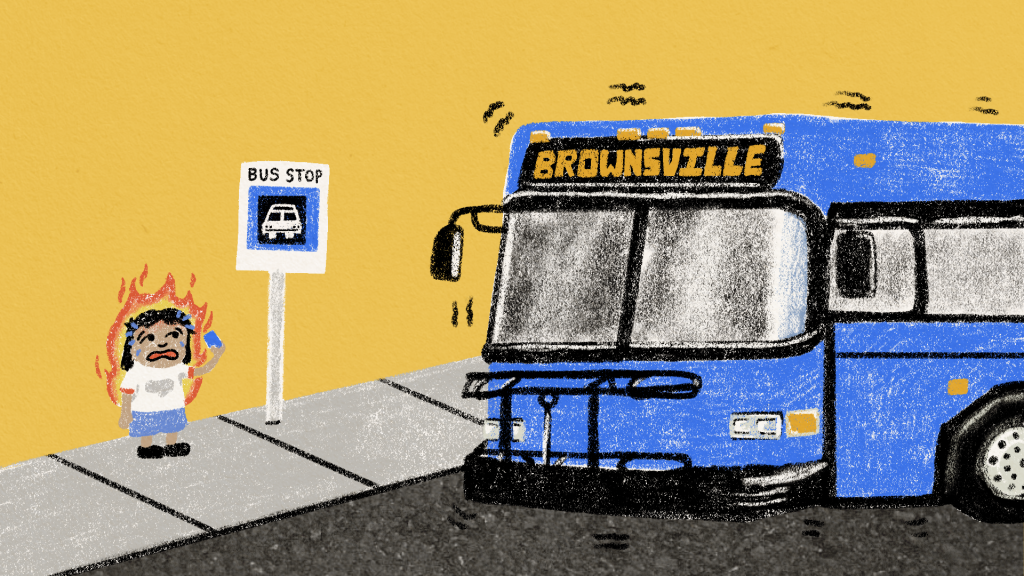
Route 30 Southeast has very limited hours: it runs Monday to Saturday from 6:30 – 8:30 a.m. and 4:30 – 6:30 p.m., resulting in me having to find alternative routes to get home during the times that Route 30 is not available. If I get dropped off at a stop outside of Route 30’s hours of operations, then this means going through what Commissioner Macias was referring to when she said that not increasing the prices means having to make cuts to B-Metro’s system. But I have some big news for Macias: Route 30 has been inefficient, and nobody has cared enough for the people who take Route 30 to try implementing it onto an already existing route or improving the route that already exists.
It infuriates me to see how Brownsville City Commissioners phrase their questions against the good-hearted nature of Brownsville citizens who are only looking to advocate for the needs of the community and themselves. Of course, I do not want people to suffer and have to walk the same 25 minutes I have often had to walk just to get home.
I feel like it’s time for the city of Brownsville and B-Metro to show more improvements with all the millions of dollars they make off of bus riders. It’s time for them to do more for Brownsville residents because if people are shown that they are being cared for, that the buses will be clean, and there will be a nice shelter to wait at, it would mean that taking the bus would not be seen as torture to put yourself through. Instead, it would be something amazing that you look forward to with pleasure, like I did the first time a stranger let me sit next to them and we talked about this city we live in called Brownsville.
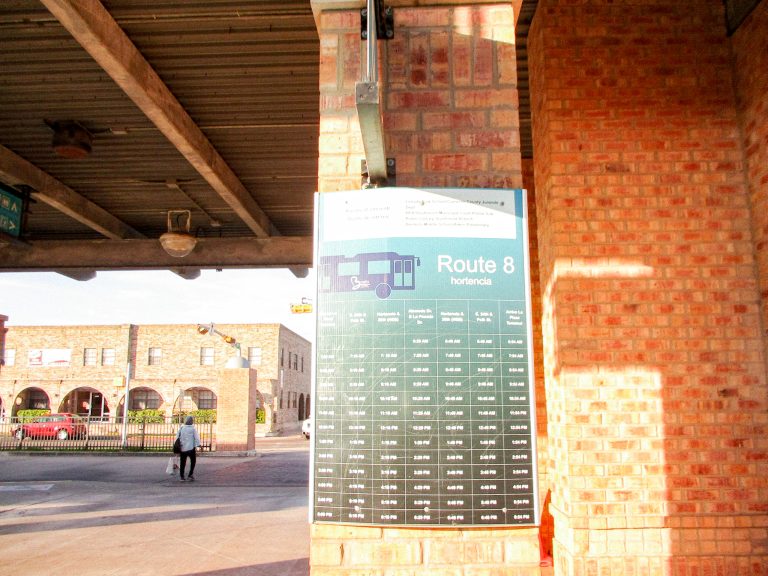
Ways To Help Your Bus Systems
Many organizations affiliated with the universities and colleges here in Brownsville, such as Texas Rising chapters at TSC and UTRGV, Texas Youth Activist Alliance (TXYAA) and many others, participated in mobilizing the community to raise awareness about the fight to keep the B-Metro’s fares at $1.
Although this did not happen, it is important for all of us to work together to voice our concerns about proposals that can affect us! I encourage everyone to look into what is happening in your city and attend city meetings, which can help you stay informed. Grab your friends and participate in giving comments wherever you are as you fight for what is right and for what you believe in.
Don’t let anyone tell you your voice does not matter. I stood before my city officials for the first time in my life, and I hope you can one day do the same and carry the voice you have with you to a good place.
Support RGV Storytellers.
Rio Grande Valley storytellers need your support. Trucha, a 501c(3) non-profit, provides artistic opportunities to the community, with the help of our donors. Your contribution will help us continue our mission to empower our creative community of storytellers.