Honoring Women: A Local and Multinational Insight on International Women’s Day
Story by Nina Alegre
Edited by Abigail Vela
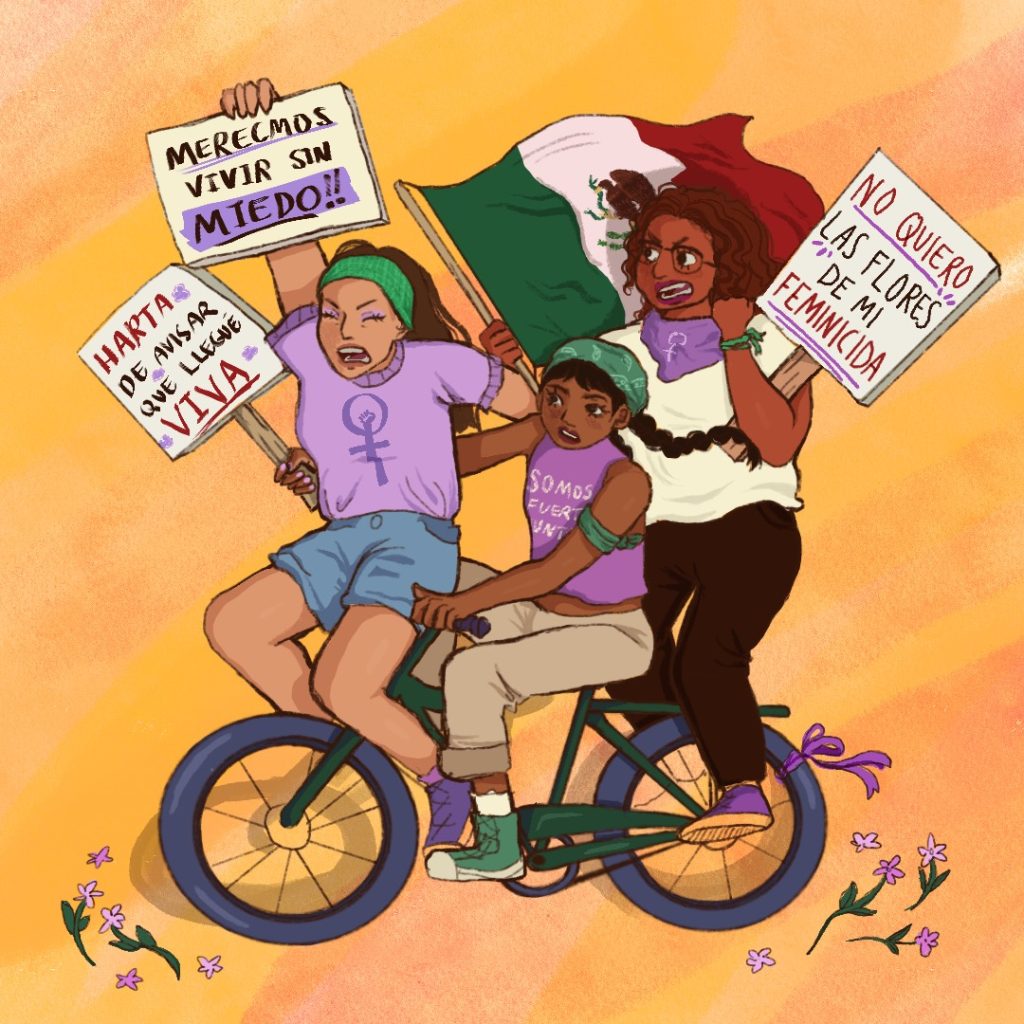
International Women’s Day, which occurs every year on March 8, also known as Ocho de Marzo, is a global day that celebrates women’s social, economic, cultural, and political achievements. In many countries, however, it is not a day of celebration but a day to protest against the injustices that women in these countries have had to face at the hands of the patriarchy.
Ideally, Ocho de Marzo should be a day where women of all races can celebrate themselves and get the much-needed rest they deserve—but instead, it is a day where women join forces to demand equality and an end to gender-based violence.
It shouldn’t have to be this way. After everything the women in the past have fought for, we should be able to say we are progressing and improving the future so that younger generations of girls can live freely and without the worry of being harmed in any way, shape, or form.
In the Rio Grande Valley (RGV), two women of different ages and backgrounds who share similar feminist ideas gave their opinions on International Women’s Day protests that occurred locally and in Mexico and commented on their feminist beliefs.
A Feminist Protest in the RGV for Women’s Rights
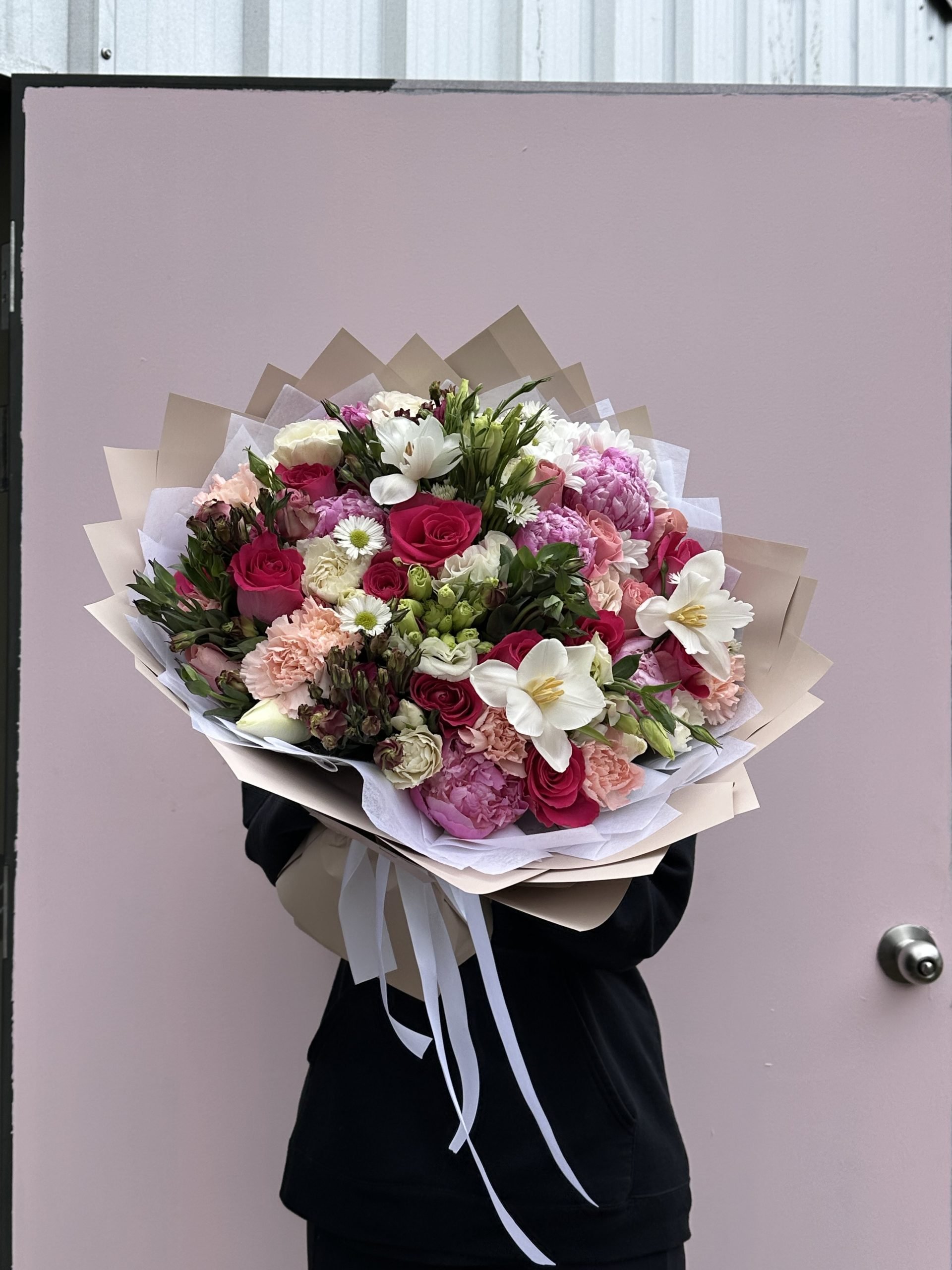
Yesenia Ramos (she/her) is a San Juan florist and the owner of Clavel Flower Shop.
Ramos has been a florist for five years, “I’m still learning a lot,” Ramos shared. “It’s been a long process, and as a woman owning a business, it’s not easy sometimes, but I make the best of it and try to learn from every single situation.”
When she isn’t creating flower arrangements, reading a book, or going for a run, Ramos has taken to social media to raise awareness for gender-based violence in Mexico and to oppose the current political state of Donald Trump’s second presidential term.
Ramos organized her first march this year on International Women’s Day to advocate for women’s rights. 28 people registered for the protest, which was set to occur on Saturday, March 8, in McAllen. Ramos, her friends, and followers shared the protest on their Instagram stories to get the word out and bring in as many women and people as possible to participate.
On the day of the march, Ramos says 15 to 20 people showed up.
Ramos shared, “I didn’t have many high expectations since it wasn’t an event that was planned with enough time. However, the fact that others made the time to show up made me feel incredibly happy. Also, the fact that women in their 30s to 60s showed up to support despite their busy lives and schedules was amazing.”

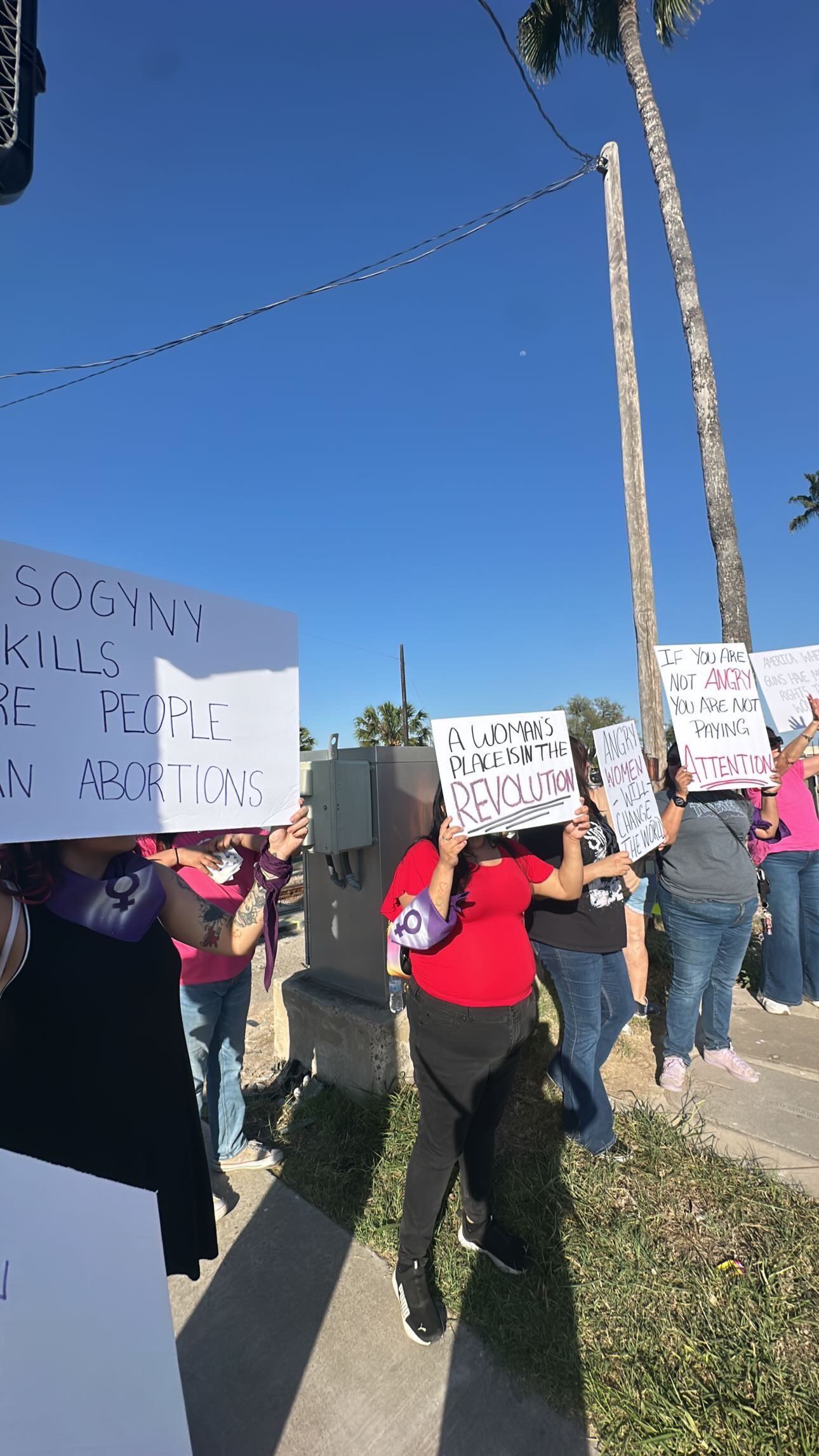
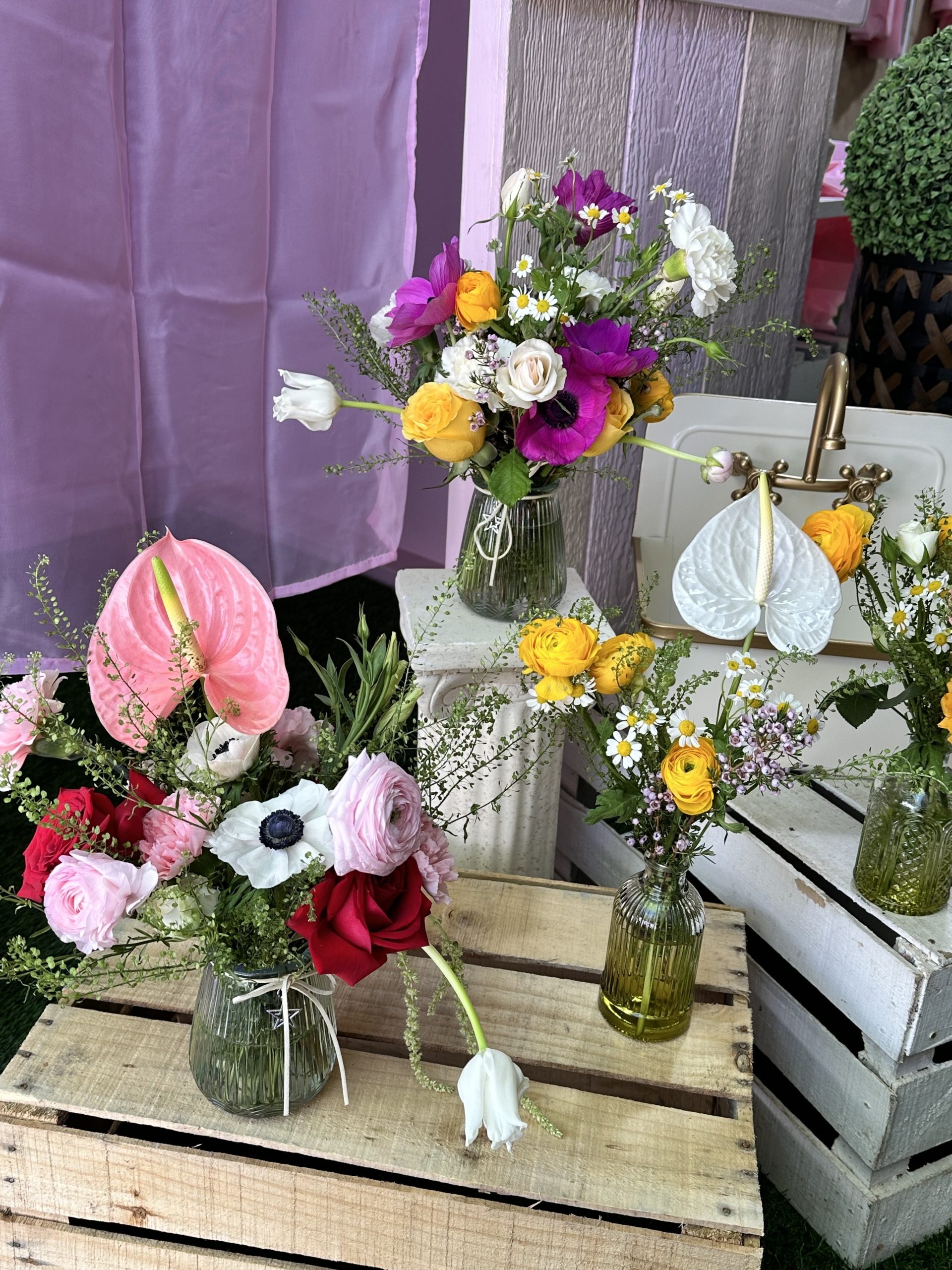
Ramos shared her biggest takeaway from the march: “The community is itching for women to rise up for one another. A lot of the women that showed up were eager to be there that afternoon, and most of them expressed interest in hosting monthly events for women to learn about the political and societal issues that put our rights at stake. Most of the people that showed up were just as anxious and as nervous as I was, with lots of emotions due to our current circumstances living in the United States as a woman. But we were all united by the same intense desire of wanting equality and rights.”
Ramos also discussed what inspired her to host her first march. “In the past years, I’ve seen how much protests have grown in Mexico and regarding how bad the situation is […] not only the cartels but femicides and domestic violence,” she said, “Whenever that was brought to my knowledge, I realized that there is a lot of domestic violence that occurs in our community and that a lot of women, unfortunately, fall victims [to] it because of [the misogyny] and machismo in our community.”
Besides getting her inspiration from a place of social justice, organizations in the RGV, such as South Texans for Reproductive Justice (STRJ) and Planned Parenthood, also inspired Ramos to take the risk of planning her first protest.
But more than anything, Ramos’ protest is simply and plainly a way she was able to advocate for all women’s rights because women’s rights are human rights, and women deserve to be treated as equal human beings.
Recognizing the Ocho De Marzo Protests in Mexico
Nubia Reyna (she/her/ella) is the Senior Manager for Marketing and Public Relations at Planned Parenthood South Texas (PPST). There, she manages media relations and community engagement and organizes events, marketing campaigns, and rallies.
On what Ocho De Marzo meant to her, Reyna said, “Ocho de Marzo International Women’s Day is deeply personal to me, not just as an activist, but as someone who grew up in Mexico, where the fight for gender equality has been relentless, courageous, and against all odds, transformative.”
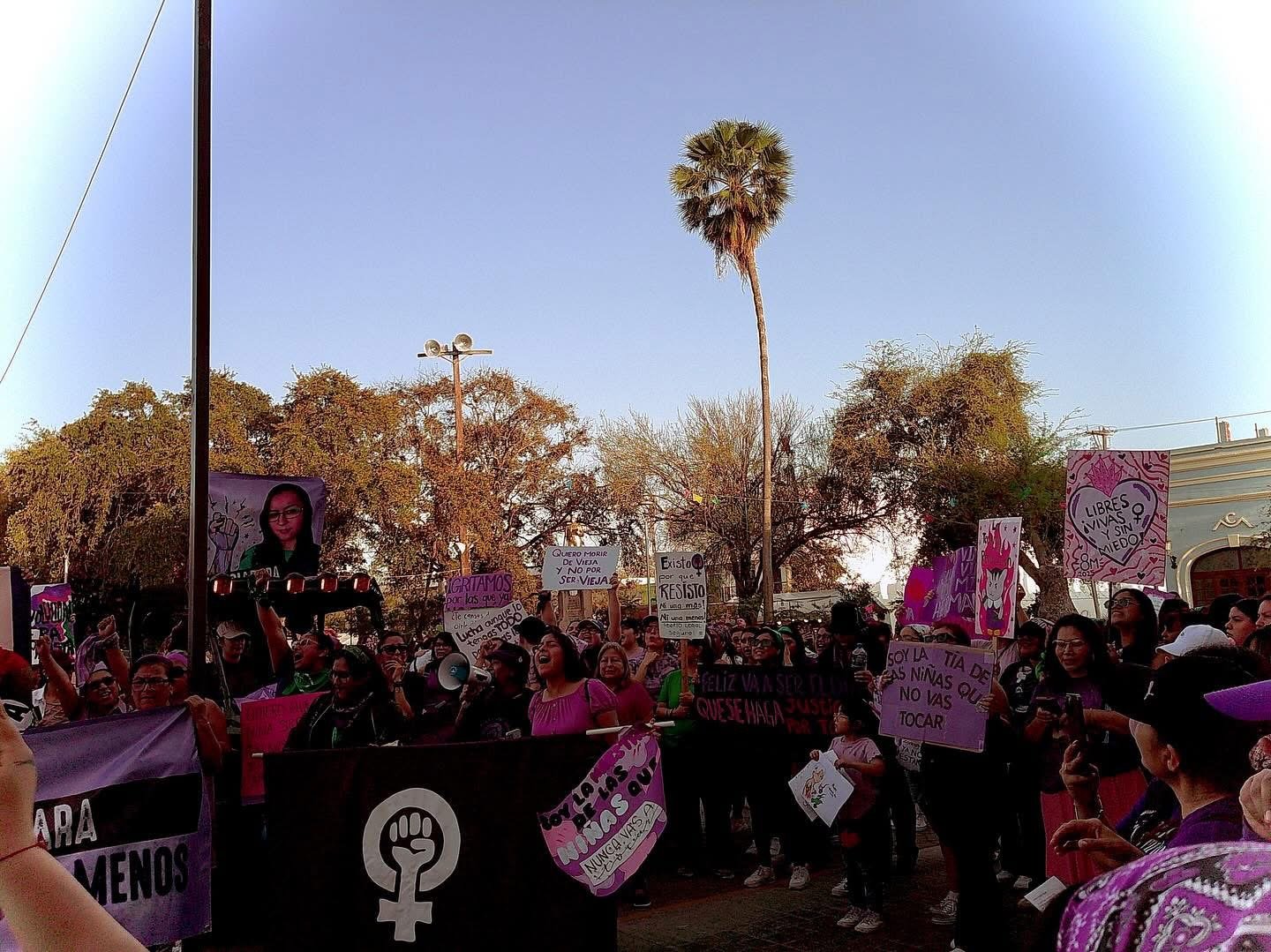
Reyna marched in Matamoros on International Women’s Day this year, and she has been marching in feminist protests since she was in college.
She gave her thoughts on the Ocho De Marzo protests, “Unlike in some other countries where International Women’s Day is treated like a celebration in Mexico, it is a day of resistance. Sure, you have seen all over social media that thousands and thousands of women take on the streets. And you can see mothers carrying photos of their missing daughters. There’s also survivors demanding justice, and there’s just young feminists and all these collectivas feministas working together for a better future and demanding justice. And I think that the March 8th, las protestas del Ocho de Marzo in Mexico are some of the most powerful feminist mobilizations in the world.”
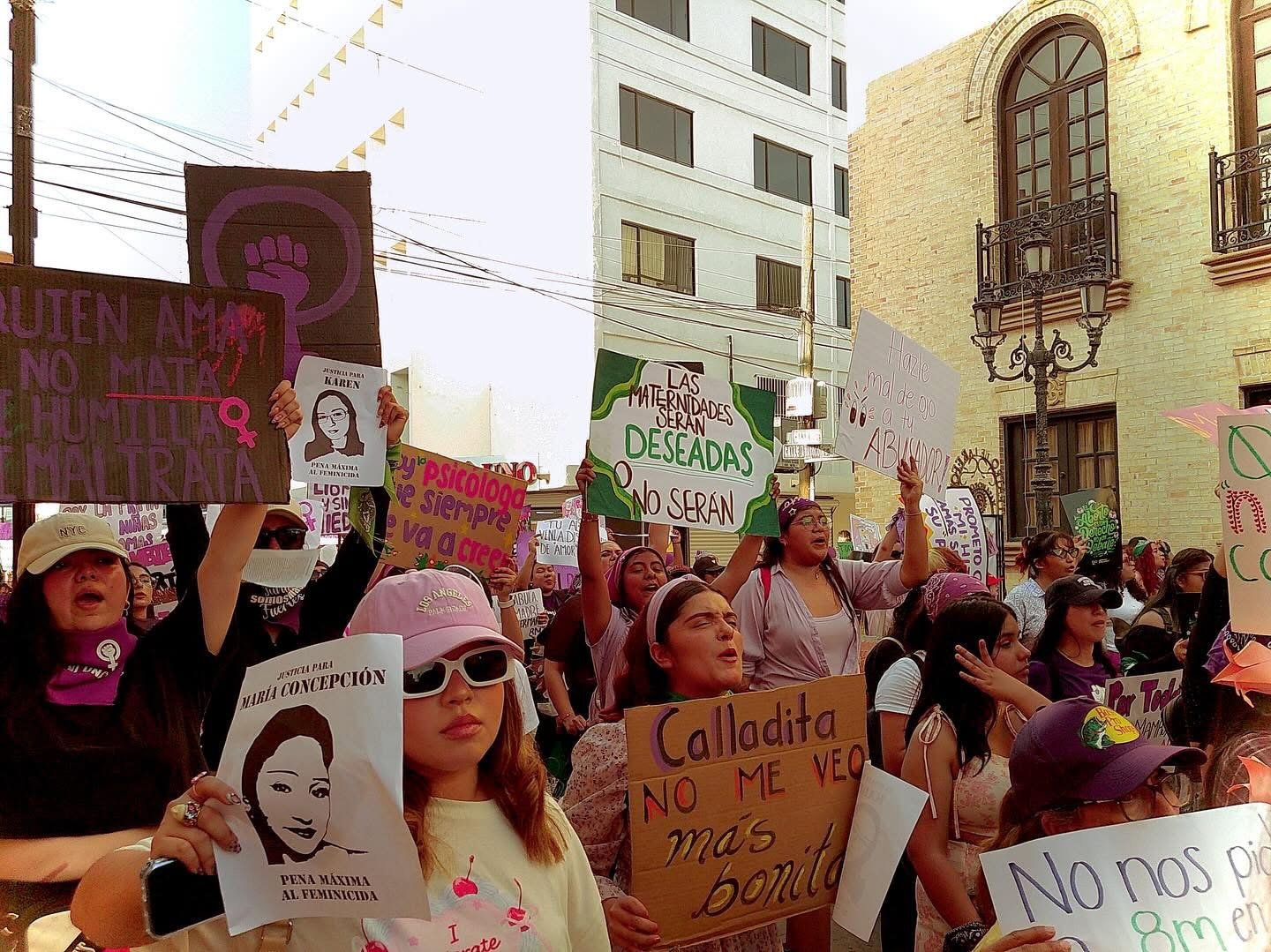
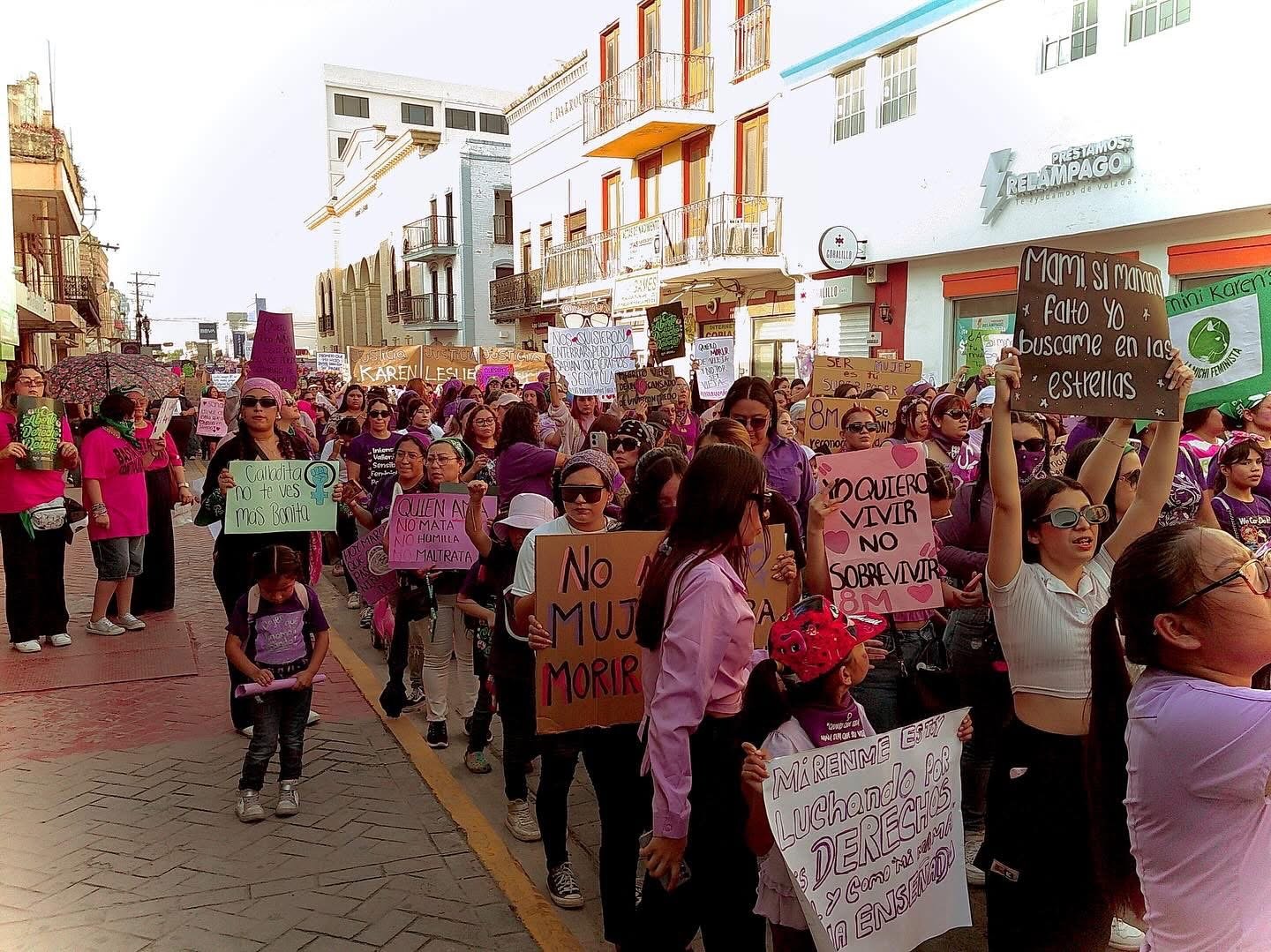
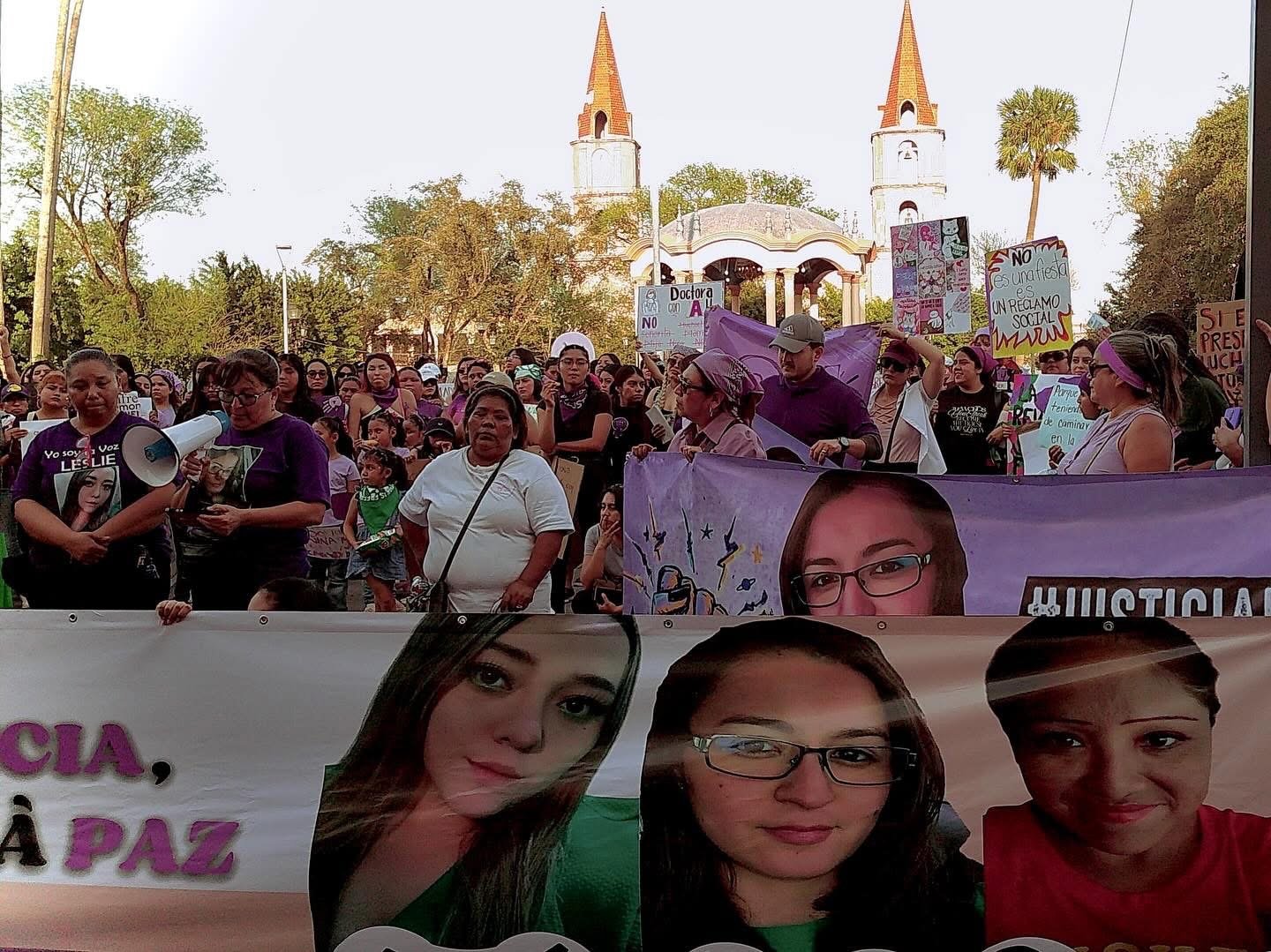
In 2024, Claudia Sheinbaum took the oath to be sworn into office as Mexico’s first female president.
“For the first time, Mexico has selected a woman president, and of course, I voted for her, and this milestone, I think, symbolizes the power of collective feminist movements and the progress made in terms of political representation,” Reyna said, “I think that this proves that when women mobilize, change is not just something that can happen, change is not just something that is possible. When women mobilize change, it’s inevitable. So I think that by Mexico having a woman president, [Sheinbaum’s] victory just sends a powerful message, and that message is that women belong in the highest levels of power.”
Reyna also commented on the incredible support Planned Parenthood received last year: “Last year, thanks to the involvement of ordinary people in our community who marched, who advocated, who volunteered, and who donated generously [to] Planned Parenthood, South Texas was able to provide healthcare to more than 21,000 people throughout South Texas, in the Rio Grande Valley and San Antonio. So, this has moved those clients and, in many cases, their families a step closer to the futures that they have imagined for themselves.”
The Circumstances That We Are In: Let’s Keep Fighting!
Unlike Reyna, who has been able to partake in protests in Matamoros, Tamaulipas, Mexico, Ramos hasn’t been able to, but that doesn’t mean that Ocho De Marzo and feminism don’t mean something to her as well—it means a lot.
Ramos says, “I wish I could say it’s a day to celebrate women, but unfortunately, due to the circumstances that we’re in, it’s really hard to advocate and celebrate for women because I feel like we’re kind of going backward in a way. There’s no way we can celebrate when our rights are being taken away.”
“Ocho de Marzo is more than anything to bring light to all the issues that are going on,” Ramos said, “Not only here in our community in McAllen or the RGV or Texas, but worldwide.”
So, whether you are just starting to advocate and become more involved in your community like Ramos or are a seasoned voice in the community like Reyna, your voice matters, and standing up against oppressors will always have value for all the women around you.
International Women’s Day is March 8 every year, and we hope to see you out on the streets, whether in the RGV or Mexico! Joining other women in solidarity helps improve the future for all women. The fight for our rights will stop one day, but until that day comes, we must show our power in numbers and always resist against anything this world and these politicians dare throw our way!
If you don’t want to organize a protest or are unsure how to start advocating for women and would like to get involved, PPST and Frontera Fund is holding a Reproductive Justice Training Session at Aroma Espresso in Brownsville on March 25.
You can always make a difference every day in your life by putting in the time to learn about reproductive rights and how you can take action!