What’s one of the first things you tell people who are in town visiting or just moved to the Rio Grande Valley? Maybe it’s which snack stands or coffee shops you recommend, meanwhile some of us jump in to warn people, “Whatever you do, don’t drink the tap water!”
TikToks about the water quality have probably popped up on your feed at some point. We hear about water having things like lead, arsenic, even uranium; then, as you start letting this information sit with you, your mind wanders to how many people you know might have come down with serious illnesses. Our tap water must be boiled to consume, but what about when we don’t drink it?
We also bathe in it, clean with it, cook with it, water our crops with it, so what’s in our water and why is it being allowed?
This video demonstrates water quality testing in the RGV. The video shows that local tap water is exceeding the safe drinking limit, which is 500 PPM. Video courtesy of @joelapuss on TikTok.
The Pollutants in Our Water
A couple of years ago, I started to notice this putrid smell from water – purified water, at that. Sometimes I’d leave open plastic water bottles sit for days in my room. I’d forget about it, take a sip, and gag because it tastes metallic and smells like gasoline. At first I thought it was coming from the plastic, but the water was gross regardless of whether it was from the Italian Alps (it’s actually not) or if the water was from Watermill Express down the road, which is sourced from the Rio Grande River.
As it turns out, our water has some contaminants, and the Environmental Protection Agency (EPA) recognizes that and protects public health by “limiting the levels of contaminants in drinking water.”
However, if you notice from the video, it’s very clear that the numbers are looking alarming.
Arroyo Colorado Watershed Partnership
If it’s not the Rio Grande River where we get our drinking water, it’s the Arroyo Colorado River in Rio Hondo, TX, which is home to a plethora of wildlife. This is where I met Samantha Colunga (she/her), Arroyo Colorado Watershed Partnership Coordinator for their 2026 Rookery Island cleanup.

I asked her about our local drinking water, and she informed me that the Rio Grande River has been on the Texas Commission on Environmental Quality (TCEQ) list for “impaired water quality” since the mid-1990s. Colunga went on to explain that the water is “not meeting state water quality standards” and has “traces of e. coli bacteria” right before the “cities clean out this water” and “distribute it to you.”
My findings showed that the RGV’s drinking water is exceeding the maximum contaminant level (MCL), meaning it’s still technically legal to provide to the public and is considered a “secondary standard.” According to the EPA, this kind of water is said to not be “health threatening” and what’s alarming is that it’s only tested “on a voluntary basis”. Research shows that drinking this water over time can lead to “chronic effects” including “cancer, liver or kidney problems, or reproductive difficulties.”
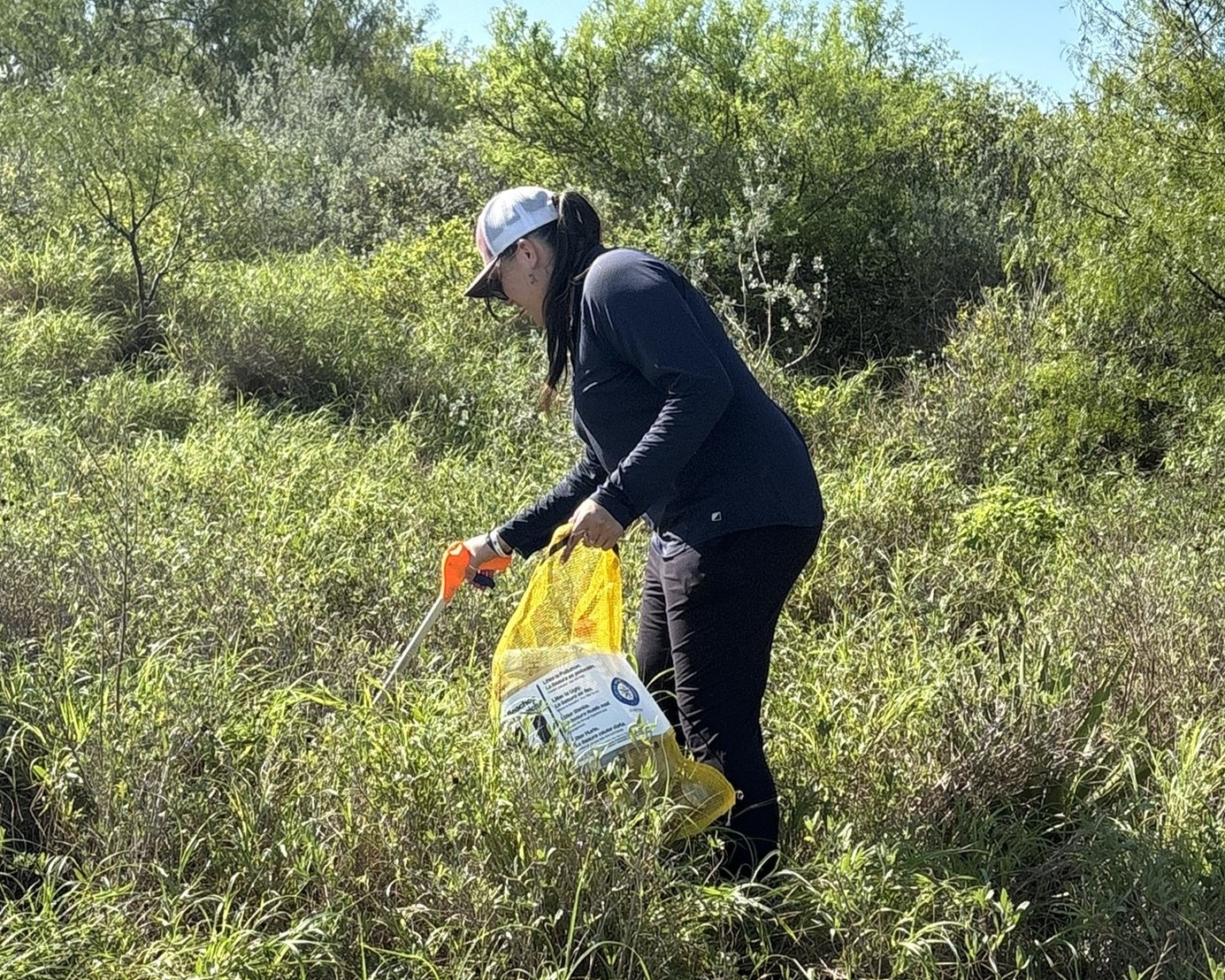
The organization was there that day to pick up surrounding litter and to conduct water quality data. Samantha explained that water quality data in the RGV is “really hard to access,” an issue the group is working to combat as they want to “get the community involved” in their efforts.
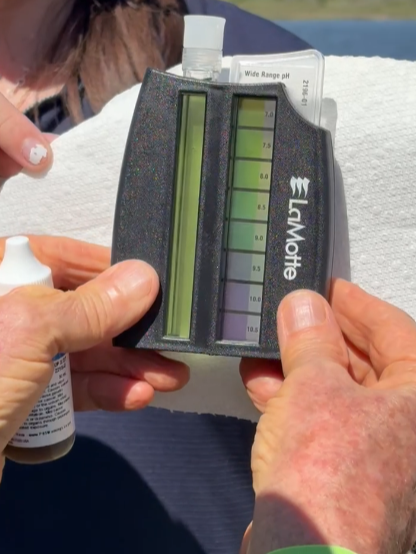
Assisting her was Mark Salvatore (he/him), a certified community scientist, who checked for odor, color, pH balance, and turbidity, which is how much sediment is in the water. I not only learned more about our local drinking water but also about the water we don’t drink that still poses a huge environmental impact.

Samantha relayed to me that the Arroyo Colorado River’s fish are stressed from a significant lack of oxygen from absorbing and eating physical pollution (and there was so much of it, 120 bags filled just that day). She explained that pollution is coming from the drainage that seeps into the river after a “storm water runoff” and that pollutants, including “irrigation runoff” also end up in the waters. This is a fishing site! That pollution “eventually gets to us”; the fish and us are not so different.
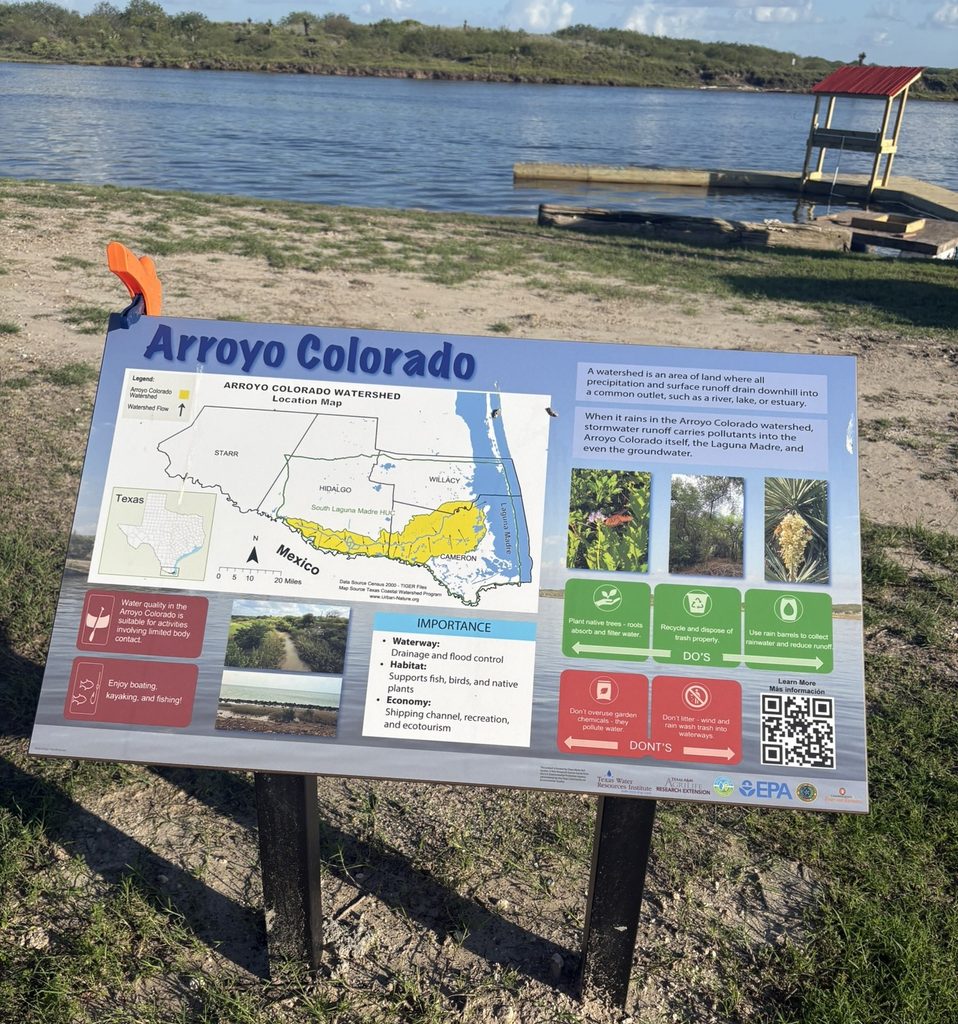
Salvatore, who has tested water quality at a Harlingen water quality monitoring site, also counted a disaster where a Harlingen fire resulted in runoff water sweeping up firefighting foam into the river, killing off multiple species of fish because the chemicals “washed into the main drain.”
Colunga states, “We don’t want it to get to that point in time where even the fish tissue is so polluted that you can’t eat the fish, we don’t want just to sit around, do nothing, and wait for that to happen.”
Care About Water Quality? Here’s What to Do!

Girl, install that shower filter, get that Brita, boil that water. These are just some of the extra precautions to take into consideration when it comes to our long-term health. We must support local candidates that promote better drainage systems that reduce flooding and pollution flow. Because, on the other hand, we have to go fishing for that trash.

Support the Arroyo Colorado Watershed Partnership by following them on Facebook, where they announce clean-up events and partner efforts like soil testing and grazing land workshops that are welcome to all. Check out their previous newsletters and subscribe to their mailing list for more updates about their work.