In 2017, Chyna Gibson, also known as Chyna Doll Dupree Gibson, a transgender woman, drag performer and Houstonian, was murdered in New Orleans while she was celebrating Mardi Gras. Another transgender woman was identified and pronounced dead within forty-eight hours of Gibson’s death. This tragedy hit home for the trans community, especially those who knew her personally. It sparked a fire within Verniss McFarland (she/her, they/them), to create The Mahogany Project (TMP), an organization that creates safe social spaces for the black trans and queer community in Houston, Texas, by decreasing social isolation and stigma.
McFarland, TMP’s founder and executive director, defines her role as a steward of innovation, culture and liberation who is responsible for advancing not only the organization, but the people who are connected and dedicated to it. McFarland didn’t know Gibson personally, but saw multiple of her performances and was connected to people who were close to her. As McFarland put it, “When experiencing tragedies of this nature, we don’t think [of] how close these things could hit to home.” Thus, The Mahogany Project was born and has been active for nearly ten years to date.
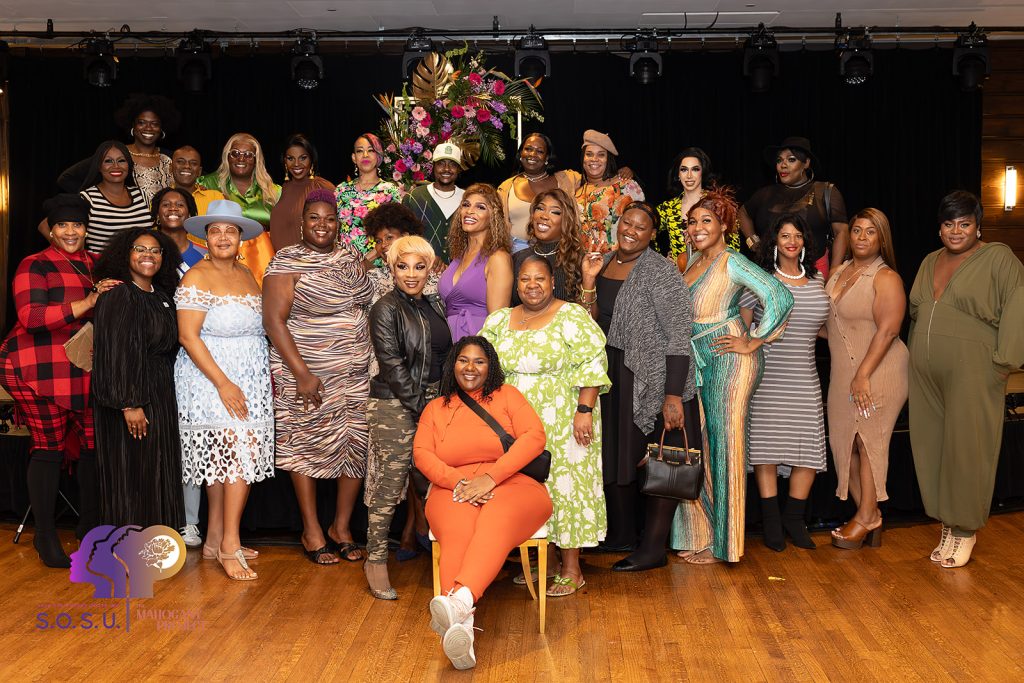
Drag Ban Be Gone!
If you don’t know, the Texas ban on drag has been lifted as of August 2026. U.S. District Judge David Hittner declared Texas Senate Bill 12 unconstitutional and blocked the state from enforcing it, citing none other than the late Dolly Parton herself.
“The solution is relatively simple…just don’t go,” wrote Hittner, according to NBC News.
Hittner cited those who often chastised Parton “as a voluptuous sex symbol because of her big hair, flamboyant clothes and breast exposure,” saying eroticism has been a part of countless performances over the years. Why ban the queens from doing it specifically? Attorney General Ken Paxton still plans to appeal this blockage.
The Texas Drag Legacy Archive was born out of The Mahogany Project in partnership with the ACLU of Texas and celebrates drag history, entertainment, and philanthropy.
“The Texas Drag Legacy Archive really seeks to tell the story of the impacts of Texas drag as a whole,” said McFarland. She added that Texas drag is likely the most elite upper echelon of the art. “One of the things I always tell people is [that] your favorite drag queen is probably a Texas girl.”
You know the classic saying: Everything’s bigger in Texas. Who is to say that does not apply to drag? One could even observe something very traditionally Texan such as beauty pageants. Whether it’s a beauty queen or a drag queen, the hair is going to be big and sprayed stiff, eyes sparkly and defined, and dresses fitted to perfection. A Texas queen is unforgettable, regardless of identity. There is, however, a blinking importance, now more than ever, to recognize our trans, nonbinary, and queer drag performers and nightlife curators.
Philanthropy via Drag
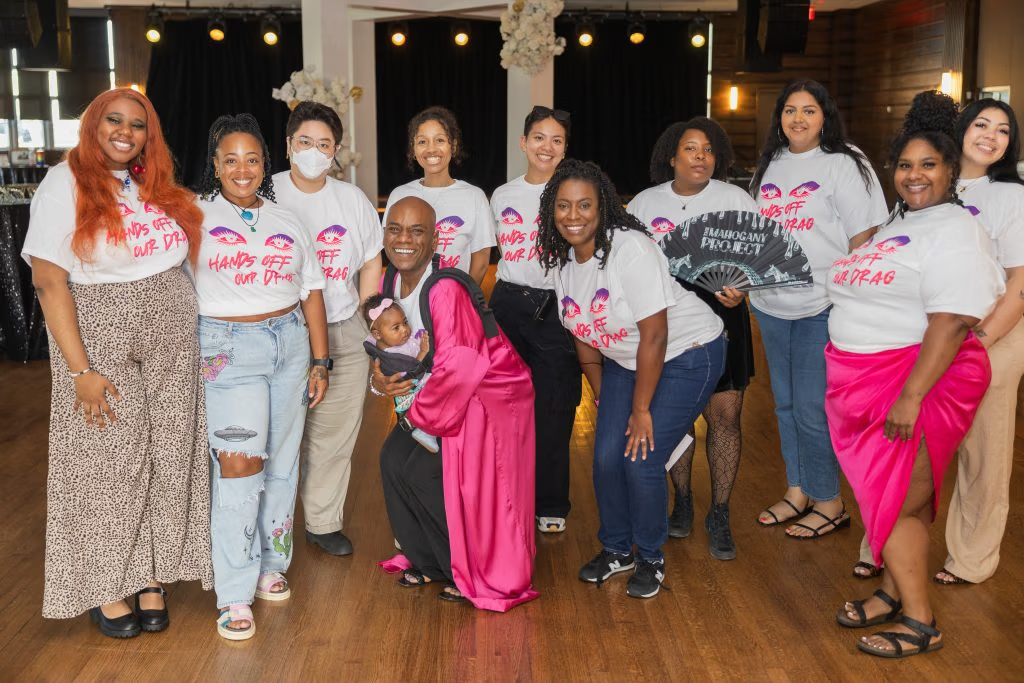
Drag is a philanthropic art form; we often see drag queens at the forefront of events for different causes such as back to school, holiday food drives, HIV/AIDS awareness, etc. What happens when it’s a drag queen who is affected by disaster? How do our queens get community investment and assistance? This is what started the Hands Off Our Drag (H.O.O.D.) campaign. This campaign aims to protect drag while celebrating it, “transcending mere performances to encompass digital storytelling, content creation, educational seminars, historical archiving, and interactive social events,” as said on the H.O.O.D. website.
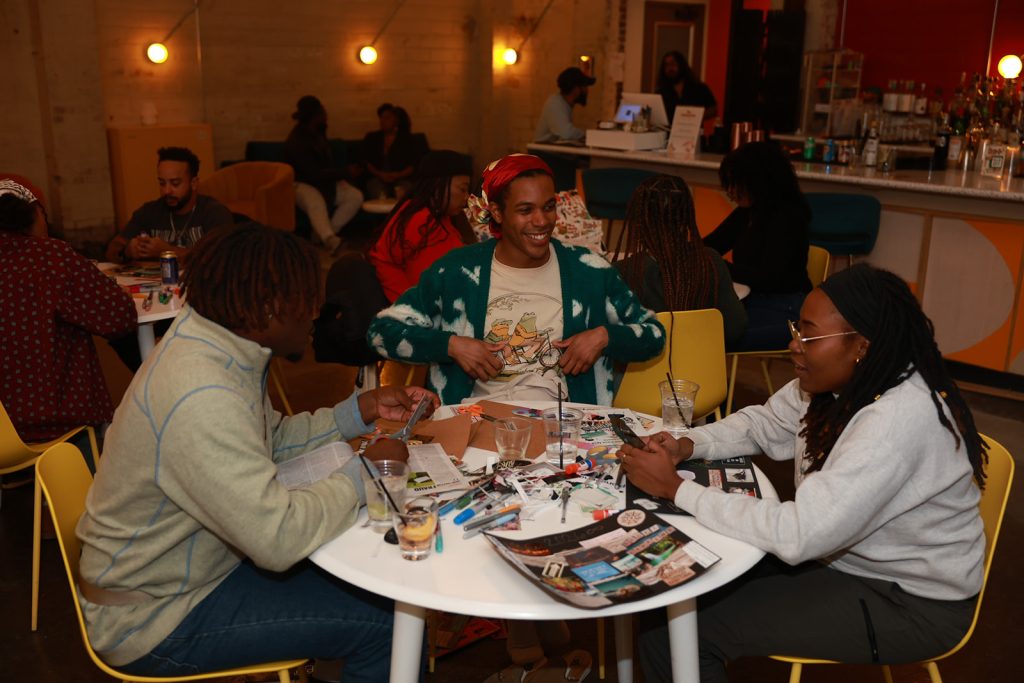
TMP further reduces social isolation and protects and serves their community by providing access to avenues that aid mental health, whether it is through peer support, professional therapy and counseling, or hobby building during casual get-togethers, like Stitch ‘n Bitch, an arts meetup where members and non-members of TMP gather to chat and give advice while crafting. TMP also has a garden club and a book club.


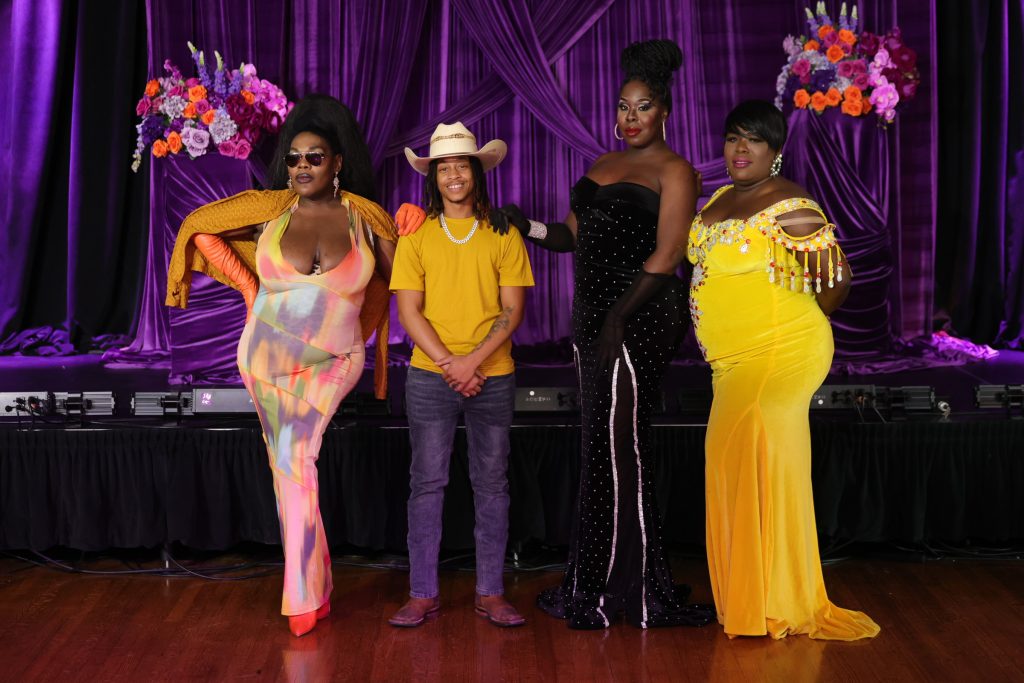
McFarland pointed out how Texas drag queens are active in business today, and when we think about “people who are movers and checkers in drag,” as she put it, they think of Los Angeles, New York City, maybe Chicago, but never Texas. One queen who came to mind is the infamous RuPaul’s Drag Race contestant, Alyssa Edwards, from Mesquite, Texas, who owns Beyond Belief Dance Company. Other Texan drag performers, such as Hot Chocolate and Lawanda Jackson, have been performing in Las Vegas shows and pageants for the past decade. Jackson in particular brought and gave disabled entertainers from across the country an opportunity to perform.
“That’s something that we should really be, like, uplifting and really like paying homage to,” pressed McFarland.
More on influence: late Mexican drag performer and beauty queen Erica Andrews recently got a street named after her, approved by the San Antonio City Council as of two weeks ago, in memoriam of the talented advocate. To quote the executive director of the San Antonio LGBT Chamber of Commerce, Luis Vasquez, “When we recognize people and the stories that are connected to this place, it also strengthens the identity.”
This is crucial to LGBTQIA+ history that should ignite passion in all queer folx to uplift the art of drag, honoring the pioneers who came before, and educating “the broader community and youth about entertainers who have advanced their careers beyond nightclubs, highlighting the connection between philanthropy and drag entertainers,” as it reads on TMP’s site.
RGV Queer Nightlife & Groups
The Rio Grande Valley has our own queer history to acknowledge and honor, as well as safe queer spaces that continue to be fostered and encouraged today. There are many gay bars in the Valley that host drag performers and consistently throw parties and seasonal events. PBD’s Lounge, for one, is the oldest gay bar in McAllen. Also in McAllen are Santa Diabla and Pecado Night Club, and in Brownsville is Bar-B.
Speaking of Brownsville, this is home to one of the more popular and active queens today, Lushious Massacr, who became popular through her “dragvestigation” videos where she’d often walk into and scan several department stores for plus-size inclusive wear. Lushious also frequently visited the Valley’s local pulgas (flea markets), doing the same thing, this time shedding light on the richer cultural parts of the Valley. No matter where this queen goes, she represents and consistently shouts out the Valley, specifically Brownsville.
Lushious is also very politically active, using her platform to shed light on crucial, imperative and timely social justice issues having to do with the Mexican-American community and the egregious wrongs committed by people tied to problematic institutions of power.
The RGV has its own archival community working to preserve queer history and culture. Documentaries such as Pansy Pachanga are being made to “serve as a tool for understanding the complexity of the South Texas border region and the LGBTQ+ community of the region,” according to the National Association of Latino Arts and Cultures. The RGV queer community has also given the public opportunities to get educated on its queer history with specially dedicated historical walks.
Frutas del Valle is another local and radical queer collective in the RGV focused on community healing, grassroots organizing and cultural pride. The South Texas Equality Project (STEP) is also a grassroots organization, founded in 2014, that advocates, educates, and supports LGBTQIA+ and marginalized communities across the RGV. There are other local groups encouraging others to be politically active and exercise their civic duty to vote and keep themselves informed, such as Democratic Socialists of America Rio Grande Valley (DSA RGV) and Neverbeforezine.
It is important to take note of the community members taking initiative to gather people and create safe spaces for those of marginalized communities. The Valley itself is marginalized and full of minorities, and among those are queer, trans, and nonbinary folx who deserve to be acknowledged and remembered just as much as anyone else. We all know that these days, saying, “there’s nothing to do in the Valley,” no longer holds weight; there is always something to do when you are a part of a strong community. Queer folx in the RGV are consistently gathering, honoring and celebrating each other, having fun and dancing in the rain of this stormy political climate.
Submit to TMP’s TDLA!
If you know someone involved in the queer community of the RGV, TMP is now giving all Texans a chance to let their names be known, whether they are event coordinators, performers, nightlife curators, DJs, etc. Their Texas Drag Legacy Archive is currently calling for submissions!