Opinion: In the RGV at the Intersection of Queerness, Transness and Immigration Status
Story by Santana Peralez
Edited by Abigail Vela
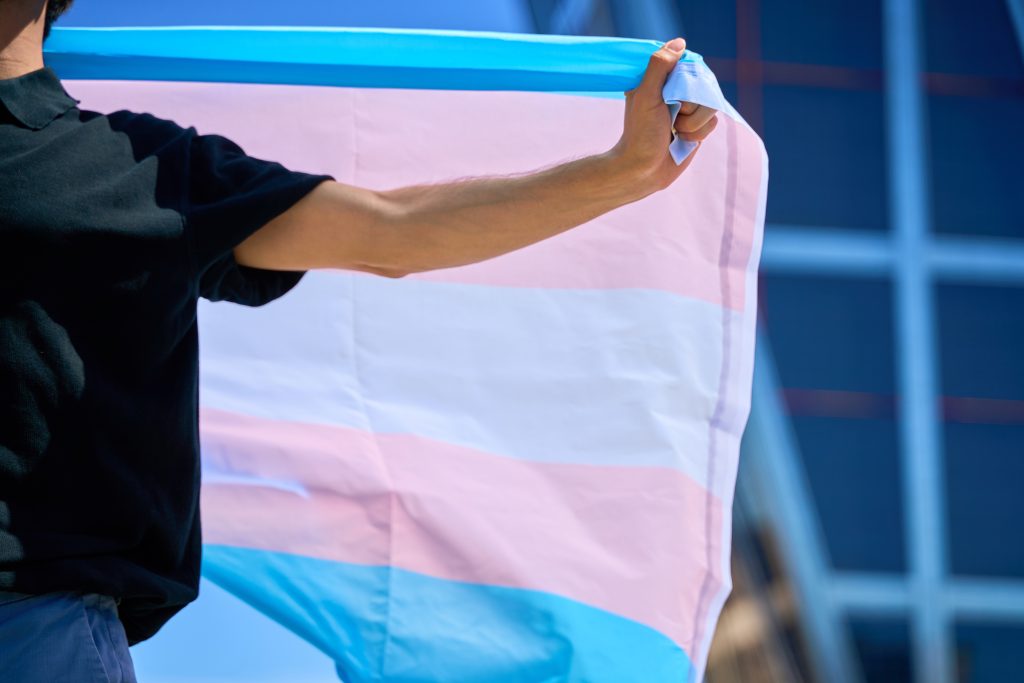
According to a report by the UCLA Williams Institute, there are approximately 1.2 million LGBTQ+ foreign-born adults in the United States, 300,000 of whom are undocumented. 75% of those people are estimated to be Latine.
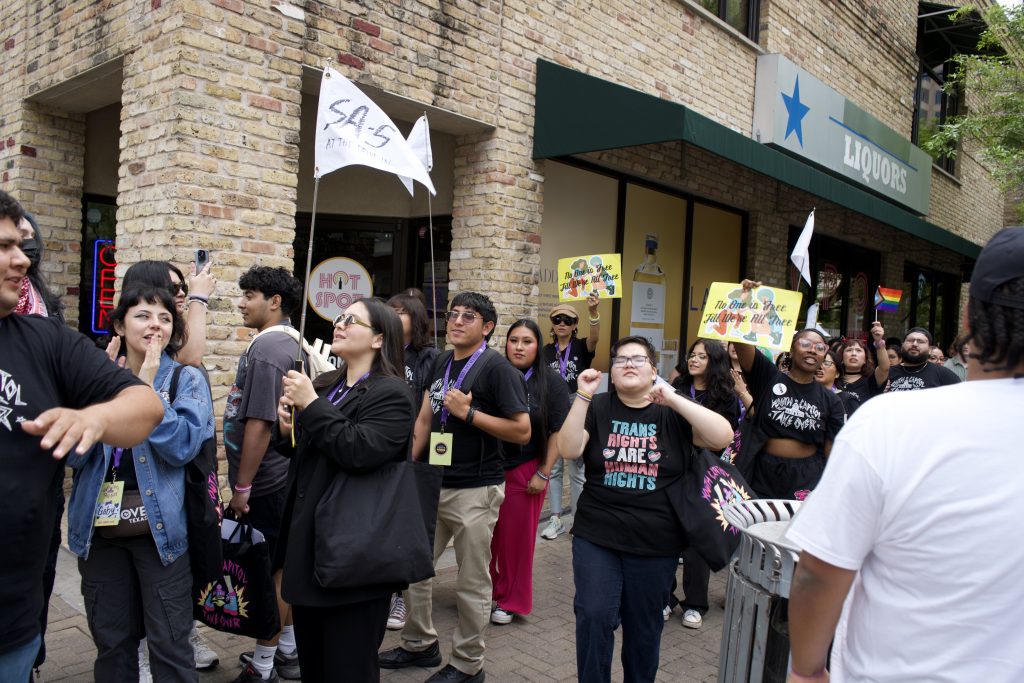
When we have conversations about immigration, queerness, and transness, we tend to talk about them like they’re separate experiences. However, the reality is so many people who call the Valley home live at the crossroads of all three.
The Rio Grande Valley (RGV) has always been a place of intersection. A place where borders, both figurative and literal, shape the lives of the people who call this place home. Living in the RGV means living in a liminal space, a space of transition. If we’re serious about fighting for our communities, we need to recognize that intersectionality is more than a buzzword.
The Brief History of Queer Immigrants in the U.S.
From 1952 until 1990, queer immigrants faced discrimination while attempting to enter the country. According to Teen Vogue, “the inadmissibility clause of the Immigration and Nationality Act excluded those with “sexual deviation” and was used to deny queer immigrants legal status…”
Even though the Immigration Act of 1990 changed this, it is still possible for undocumented queer and trans people to experience discrimination. The few governmental safety nets that protect queer and gender nonconforming U.S. citizens (many of which are being pushed back as we speak) are often not extended to undocumented queer and gender nonconforming people.
The Current Reality for Queer Immigrants
Since his inauguration, our President-Elect has almost immediately taken a series of executive actions against migrants, as well as gender-nonconforming people.
Truthout spoke to Indi Tisoy, a 25-year-old trans woman from Colombia. She decided to make the journey to the U.S., hoping to seek asylum here as she no longer felt safe in her home country after beginning her transition 5 years ago.
Tisoy made it all the way to Matamoros, literally 3 miles away from Brownsville, but was unfortunately unable to pay her way across. Now she waits right across the border, knowing that she can’t risk being deported to Colombia and hoping beyond hope that she can find a new home.
There are so many people like Tisoy across the river and even more who have already made it here. But even crossing into the U.S. and requesting asylum is not a guarantee of safety.
Let’s say you do make it into the U.S. There is a chance you could find yourself in a detention center, which historically aren’t safe for anyone, let alone trans people.
In 2020, NBC News reported on the 45 Democratic members of Congress who sent a letter to Immigration and Customs Enforcement (ICE) demanding the immediate release of all transgender migrants in their custody.
This came after the publicly reported deaths of two trans women, Roxsana Hernandez Rodriguez from Honduras and Johana Medina León from El Salvador.
Those are only two names we have of trans women who lost their lives in detention centers. How many more deaths go unreported?
Documentation Doesn’t Always Matter in the Valley
Even if you can jump through the hoops of proving your identity is a danger to you and gain asylum or find some other way to gain documented status, the fear of ICE and border patrol is always there.
Kris TV News reported earlier this year that there were, “1,500 troops headed to the southern border and talks of up to 10,000 more.”
The constant threat of border patrol makes every little thing feel risky, no matter what your immigration status is.
Victoria Guerrero wrote for the ACLU about the reality of growing up in the Valley surrounded by Border Patrol, “Exposure to Border Patrol agents begins at a young age in the RGV […] Their constant presence in our childhood feels like a twisted rite of passage.”
Guerrero goes on to explain how this affects everyone in the Valley.
“Border Patrol’s presence does not improve the safety of our community but instead makes people feel unsafe and less likely to seek out fundamental needs.”
Being Trans and Undocumented in the Valley
And let’s be real, being queer and trans in the Valley isn’t exactly easy. Yeah, there’s more visibility, but there’s still plenty of backlash. Places that are accepting of your immigration status might not feel the same way about your gender identity and vice versa.
A lot of us rely on chosen families and community networks to survive, but when you throw immigration status into the mix, things get even messier. How do you find a safe place to stay when most shelters won’t take trans folks? How do you get a job when the system is built to keep you out? How do you report a hate crime if you’re afraid of cops reporting you to ICE?
For so many people, these aren’t hypotheticals; they’re tangible everyday struggles.
As we stare down the barrel of these next four years, we need to realize that people at the intersection of marginalized identities need advocacy that actually sees them.
We can’t talk about immigrant rights without talking about queer and trans folks. We can’t fight for LGBTQ+ rights without including immigrants. If we’re not fighting for everyone, then what’s the point?
The Rio Grande Valley is full of people who live at the intersection of queerness, transness, and immigration status. It’s time we center them in our conversations.