Texas Bill Threatens Birth Control Access
Story by Melissa Cortes Santiago
Edited by Abigail Vela

There is no doubt that this year has been packed with so many things to keep track of. From the inauguration of a new administration to the slew of policies they have been trying to pass, to the impact it’ll have on our community. It’s barely March, and we’re already overwhelmed! It’s no wonder most of us feel like we need a break from it all.
Unfortunately, that break can’t last too long because the Texas Legislature began its 89th regular session in January, and we are halfway through its completion. Now, there are several items on the agenda to keep an eye on, like the school voucher plan and a bill that would require local sheriffs to work with ICE. If passed, these bills will bring significant changes to our communities. However, something that isn’t getting as much coverage is the state’s continuing crusade against reproductive healthcare and reproductive rights.
In the latest push to restrict access to reproductive healthcare, Texas Republican lawmakers have introduced a bill that could place barriers on the availability of birth control. This comes at a time when our communities are still reeling from the fall of Roe, which restricted abortion access throughout the country. The loss of the only abortion clinic in the Rio Grande Valley (RGV) left many residents with few options, and now new policies threaten to restrict contraception as well.
A New Barrier to Birth Control

Senate Bill 619, introduced by Republican senator Kevin Sparks, would allow healthcare providers and “any other person who furnishes or assists in the furnishing of a healthcare service” to refuse to participate in any healthcare service for “reasons of conscience.”
Under this bill, anyone from doctors and nurses to hospital employees could deny care at any phase of treatment. A specific section even mentions family planning and contraceptives, raising concerns that patients seeking birth control might be turned away without options or information.
Although SB619 bill does not outright ban contraceptives or limit their availability, it opens the door for healthcare workers to refuse to prescribe or even discuss these options with their patients. For regions like the RGV, where reproductive healthcare access is already scarce, this could have devastating consequences. Especially for young people, low-income residents, and those without the means to travel elsewhere for care.
A History of Attacks on Reproductive Healthcare
This is not an isolated event. For decades, the Rio Grande Valley has faced significant barriers to reproductive healthcare. Our communities have long struggled with limited access to medical facilities, a lack of funding for uninsured people, and a shortage of healthcare providers. These challenges have become more pronounced in recent years, primarily affecting low-income families’ access to family planning services and reproductive care.
In 2022, the closure of Whole Women’s Health, the last abortion clinic in the RGV, following the fall of Roe, was a devastating blow, forcing residents to travel hundreds of miles for services or go without care altogether. The closest states where people can legally access abortion are New Mexico and Colorado, both well over 1,000 miles away from the RGV.
But abortion access isn’t the only issue—birth control and comprehensive sex education have always been historically difficult to obtain. Texas has some of the strictest policies on reproductive healthcare in the country, prioritizing abstinence-based sex education while cutting funding for clinics that provide contraception. As a result, the RGV has reported some of the highest teen pregnancy rates in Texas, a state that already ranks among the highest in the nation.
Access to birth control isn’t just about preventing pregnancy; it’s essential healthcare. Contraceptives, like birth control pills, are used to manage conditions like polycystic ovary syndrome (PCOS), endometriosis, and severe menstrual pain. But under Senate Bill 619, healthcare workers would have the right to deny these services based on their personal beliefs, making it even harder for patients to access the care they need.
With few clinics, little funding, and restrictive policies, reproductive healthcare in the RGV is already hanging by a thread. If SB 619 becomes law, it could push our communities even further into a healthcare crisis—one that disproportionately affects those who already struggle to access basic medical care.
What Happens Next?
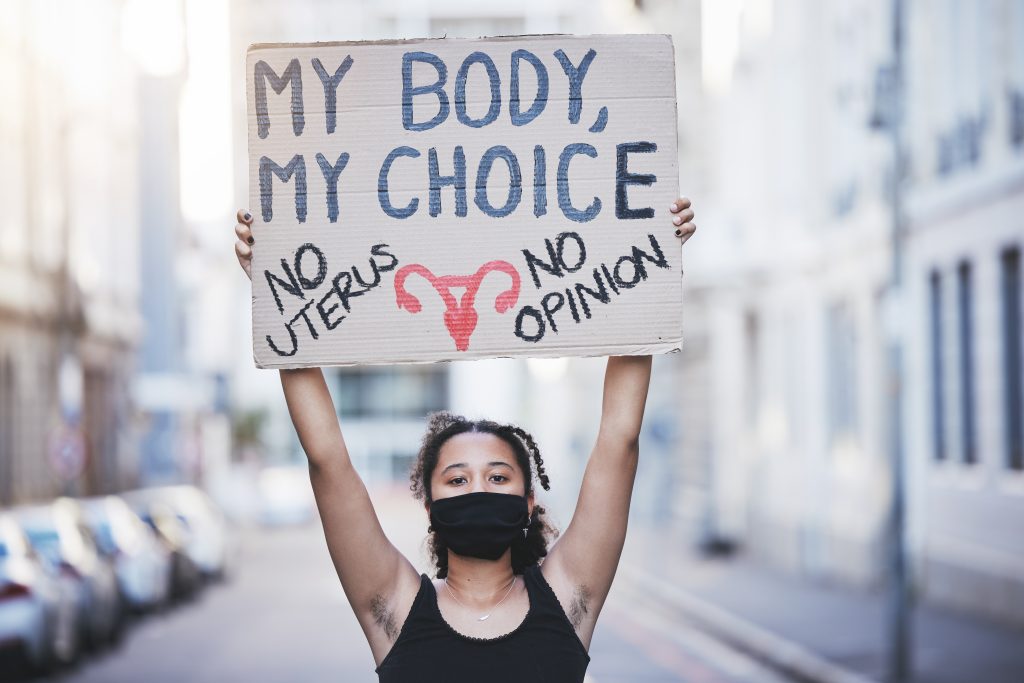
Now, this bill has not been passed or gotten a vote on the Senate floor; it is undergoing public hearings, where constituents speak in favor or against the bill.
However, we cannot underestimate how much the state is willing to restrict our access to reproductive healthcare, making it more important than ever to stand up for our community’s right to essential care.
So call your representatives and let them know how you feel about this proposed bill, and support or join organizations that are fighting to protect the RGV’s reproductive rights. There are numerous nonprofits like Planned Parenthood South Texas, Frontera Fund and South Texans for Reproductive Justice. The fight for reproductive healthcare access isn’t over, and the people affected by these policies deserve to be heard.