Abortion Care Once Again Under Review: Supreme Court Reconsiders Mifepristone Approval

Words by Melissa Cortes Santiago 
Edited by Abigail Vela

Summer is fast approaching! That means the days of going out for raspas and heading to South Padre Island to find refuge from the Texas heat are just around the corner. Summer also signals the halfway mark of the year, a time to reflect on what has transpired so far, and with that comes something a lot less fun and potentially anxiety-inducing… Supreme Court decisions. 


The Supreme Court hears cases throughout the year and usually delivers its decisions towards the end of June or the beginning of July. This year, a case that might drastically change reproductive healthcare access was once again on the docket. In the closely watched case, FDA v. Alliance for Hippocratic Medicine, the court will decide if the Food and Drug Administration should have approved mifepristone, a medication used in abortions and miscarriage management. 


If the court decides that mifepristone should not have been approved or restricts its availability, it can have negative implications for reproductive healthcare across the country. Especially here in the Rio Grande Valley, where we already have healthcare disparities and face barriers to accessing reproductive healthcare. 

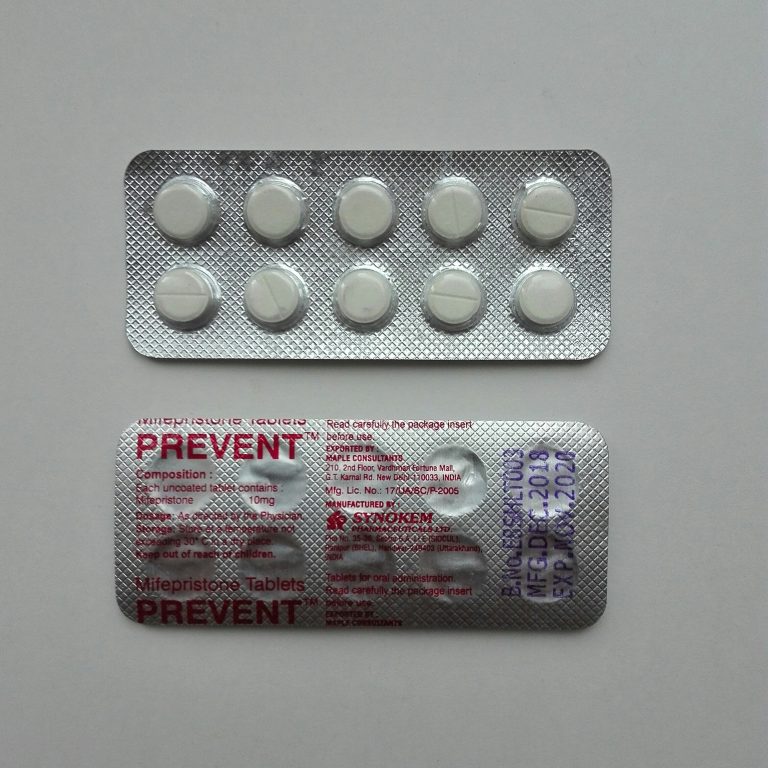
Two packages of white medication tables.
Mifepristone pills are taken alongside misoprostol to end early pregnancies. Photo Credit: Yuchacz, CC BY-SA 4.0, via Wikimedia Commons.

A Look at the Case

Mifepristone has been an essential resource in reproductive healthcare since its FDA approval in 2000. The medication is a crucial part of a regimen used in self-managed abortions. This regimen consists of taking mifepristone in combination with another medication, misoprostol, to end early pregnancies. If taken as directed, both medicines are extremely safe and effective, working up to 98 percent of the time. 


Medication abortions allow patients to do this procedure in a setting where they feel safe and comfortable. In 2023, medication abortions accounted for 63 percent of all abortions in the country. At a time when many states, including Texas, have taken a step backward in reproductive healthcare access, abortion medication is a vital resource for many people. 


However, the opponents in the case question mifepristone’s safety, calling it a “high-risk abortion drug,” and argue that it should have never received FDA approval. The case calls into question the federal government’s regulatory powers over medication, and depending on the decision, it can potentially create uncertainty that goes beyond reproductive healthcare and into the already complicated pharmaceutical industry

A person lying alone in bed with their eyes closed. The background is a deep red.
Illustration by Sara Barriera.

Significance in the RGV

Although the Supreme Court seemed skeptical of the arguments against the approval of mifepristone, we won’t actually know their entire decision until mid-summer. However, it’s crucial for our communities to be informed as to how this might affect our access to reproductive healthcare. 


“Essentially, it’s another type of abortion care that people are gonna lose access to, so that’s what the concern is,” said Cathy Torres, organizing manager for Frontera Fund. “That is what’s very frustrating because this is going to further impact someone’s ability to access abortion care in general since it would be a Supreme Court decision. And yes, it’s up to the state ultimately, but it’s still going to affect everybody.”


Texas already has a near-total ban on abortions, with some exceptions for life-threatening emergencies. Still, even then, there have been high-profile cases of people being unable to access the care they desperately need. If mifepristone were to become inaccessible, it would also impact states that protect abortion rights. For patients who need to travel out of the state to get an abortion, this will pose a problem. 


“The majority of the people that we fund are getting their care out of state, so they’re going to lose another option for abortion care, should this decision be made in that favor,” said Torres. 


To make matters worse, our communities in the RGV face many more barriers to accessing this care. For one, we are heavily militarized and are subjected to internal checkpoints that make travel difficult or entirely inaccessible for many vulnerable populations. Many of us also lack access to healthcare in general, making it difficult to access contraception or any form of family planning.


Years before the right to abortion was overturned, medication abortions had already become an invaluable resource to many people in our community. If we were to lose access to an integral part of that procedure, it would be devastating and another step backward for reproductive healthcare. 


It’s important to note that medication abortions can still be performed with the medication misoprostol alone. It is still very safe and effective; however, more side effects are reported, such as more nausea and more bleeding and cramping. 

Bracing for the Decision

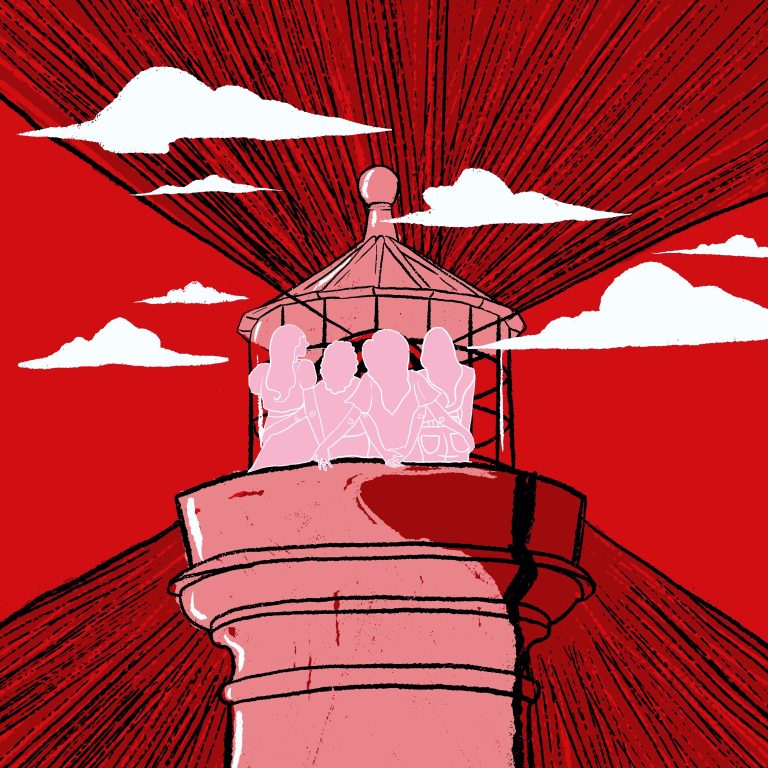
People holding hands standing on top of a tower. The background is a deep red.
When reproductive rights are constantly under attack, it is important to rely on our community. Community is a source of comfort and support. Illustration by Sara Barriera.

When it feels like our rights are constantly being hacked, it’s important to remember that we are not alone. The RGV is filled with organizations and activists consistently fighting for our rights. During times like these, volunteering and finding reliable information through some of these organizations can be a source of comfort and support. 

While the outcome of the Supreme Court case remains uncertain, one thing is clear: our communities must remain informed and engaged. We must stand together in defense of our rights. At its core, this case isn’t just about medication—it’s about the fundamental right to access safe and effective healthcare.

Gente y Cultura

Trans Joy and Resilience Shine Bright From Archer Park to the Gremlin in the RGV

Hundreds celebrated Trans Day of Visibility (TDOV) this year with a vibrant march in the RGV! This annual McAllen event, a celebration of transgender and non-binary identities for all ages, was led by the Gender Equality Network of Texas and Casa Kimberly. The march proceeded from Archer Park to the Gremlin, culminating in a joyful community gathering.

Support the Frontera

We rely on generous donations to publish original works each year and support artists in the Rio Grande Valley. Our community's voices are essential in shaping the history and narrative of the frontera!

Donate

Related Posts

A Fight for Our Lives: Mapping 10 Years of Abortion Access

April 7, 2026

Review how abortion access has evolved over 10 years, and the current challenges faced in reproductive rights for all in…

A Fundraver for 5 Families Affected by ICE

March 31, 2026

Learn how Touching Infinite & the Bolt Cutter Collective combined music and activism to support families affected by ICE in…

Op-Ed: Expanding the Carcinogenic Coast – Brownsville’s New Oil Refinery

March 25, 2026

Learn how the potential investment in Brownsville's new oil refinery poses negative environmental and health impacts on community members.

View more

newsletter

This field is hidden when viewing the form

Next Steps: Sync an Email Add-On

To get the most out of your form, we suggest that you sync this form with an email add-on. To learn more about your email add-on options, visit the following page (https://www.gravityforms.com/the-8-best-email-plugins-for-wordpress-in-2020/). Important: Delete this tip before you publish the form.
Name(Required)