Many people in the Valley can begin to recall the bull shark attacks that occurred at South Padre Island in 2024, leaving 4 people injured. I was there that day because my family had a non-refundable hotel room booked, and my eager dad wanted to spend his birthday at the beach. I sat on the sand and thought about how my worst fear was coming true: sharks on the shore. I was finally getting over getting stung by a jellyfish back when I was 4; now I’m definitely not getting in the water again. Why was this happening? Climate change- it’s always climate change.
According to the National Oceanic and Atmospheric Administration, the ocean holds an estimated 91% of the Earth’s excess heat energy, which contributes to rising sea levels. This means more aquatic animals are traveling more inland than usual.
Alligator Spotted in Los Fresnos Pool
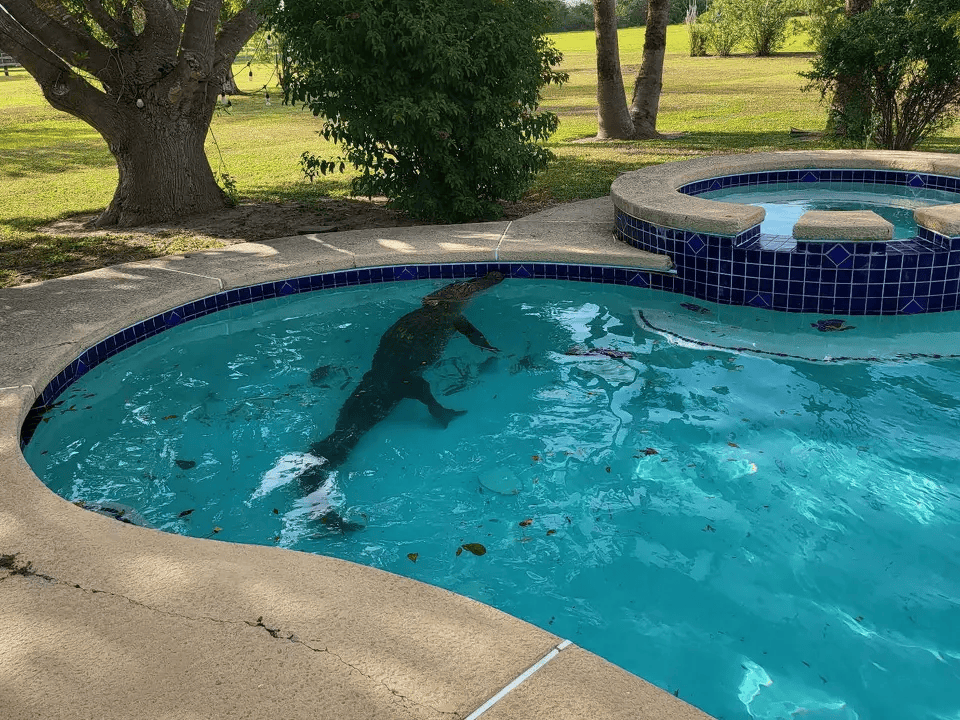
Apparently it’s not just sharks that we have to keep our eyes peeled for. Last month in Los Fresnos, a 10-foot alligator was found in a residential pool. I’m not Steve Irwin, but I don’t think that fella is supposed to be there. My dad had me pause my Saturday morning viewing of Shameless to warn me to check our backyard pool for a gator at all times. I mean, I’ve had beautiful swans in my backyard, even some coyotes, but an alligator? I don’t live in Florida to have to worry about this scenario. Am I supposed to zig-zag walk?
According to KRGV, there have been recent sightings of alligators in neighborhoods in the towns of La Grulla, Mission, and Port Mansfield. So, I’m hearing this isn’t just near South Padre Island; these alligators are migrating into residential areas, so much so that the SPI Birding Center has created an Alligator Sanctuary.
How Climate Change is Causing Forced Gator Migration
According to the SPI Birding and Nature Center, many alligators “tend to wander from their natural habitats in search of mates,” especially during the springtime, which is their “peak breeding season.” But as you’ve noticed, we are currently not in spring; we’re heading into fall.
Same as sharks, Alligator Expert of the SPI Birding, Nature & Alligator Sanctuary, Jacob Reinbolt stated in an interview with KRGV, “There are a lot of things that can push alligators to move from one location to the next. And one of the big ones is when water levels are rapidly rising or falling.”
This especially happens during hurricanes or storms, as the Valley famously floods and pond levels rise, causing alligators to migrate into other bodies of water such as canals and resacas.
The flooding and storms experienced here are due in part to climate change, where warm ocean waters are causing rapid intensification of tropical storms.
As it turns out, climate change is not the only contender in this alligator displacement, but another factor is due to “the encroachment of new land development,” says Reinbolt. The LNG Project and SpaceX are already affecting everyone, including animals. And with talks of establishing AI data centers in the RGV, where will all the gators that live in fresh water go once all that water is used to cool down the computers?
Spot a Gator? Here’s What to Do:
If you happen to spot an alligator in your own pool or backyard, here are the important steps to take:
Note: Do not give alligators the chancla. GIF Credit: Lyndon Anlezark / YouTube Channel Achievement Zone 365
Texas Parks and Wildlife advises individuals to “keep 30 feet away from alligators at all times” and that if you happen to be closer, “back away slowly” and do not feed them. Not only is it dangerous, but it is also illegal, as it is a Class C misdemeanor. According to Texas Parks and Wildlife, feeding them causes the creatures to “associate food with people,” which often leads them to approach people. Unfortunately, these ‘nuisance alligators’ that have been fed get over their natural fear of humans and either have to be “moved or euthanized”.
Alligators are a protected species, so officials warn people not to take matters into their own hands and to have professionals handle alligator encounters. Anyone who spots an alligator in a residential area is urged to call Texas Parks and Wildlife at 512-389-4848 to have them safely removed and transported.
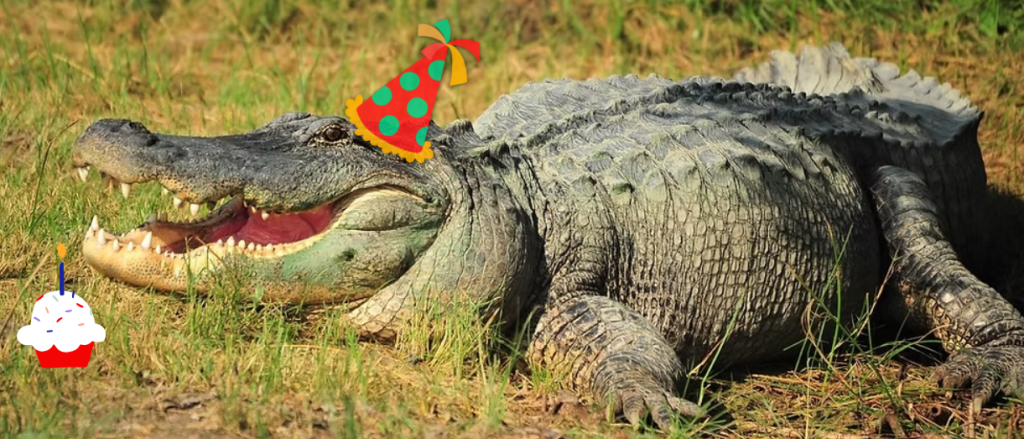
Additionally, to learn more about our gator neighbors, the SPI Birding, Nature Center & Alligator Sanctuary, which is currently home to 50 alligators, holds daily educational ‘Gator Talks,’ and you can also feed Big Padre. He’s the shining permanent resident who officially turned 59 on August 22! Happy birthday to this glorious gator!